Pultruded products are very versatile, lightweight, and extremely durable. They are being used to replace other materials such as wood, steel, aluminum, and other materials. Their flexibility puts them in high demand both as new and replacement products.
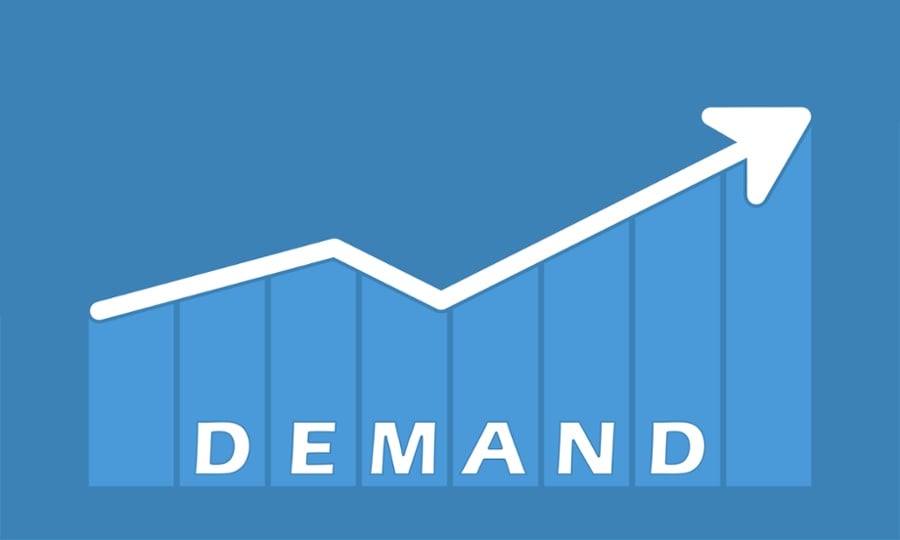
In the next few years, the use of pultruded items is projected to see high demand, leading to increased revenues across a number of industries.

From 2021 to 2025, market analysts at Global Markets Insights estimate that pultruded profiles will see significant growth due to rising demand for lightweight structural composites. Demand for rebar and gratings will spur demand for long-lasting products that withstand corrosive environments. In addition, an uptick in focus on reducing the total ownership cost of projects, coupled with consumer demand for 'green' products, continues to be a key driver of worldwide market growth.
Let’s take a look at the reasons for its growing popularity.
What Is Pultrusion?
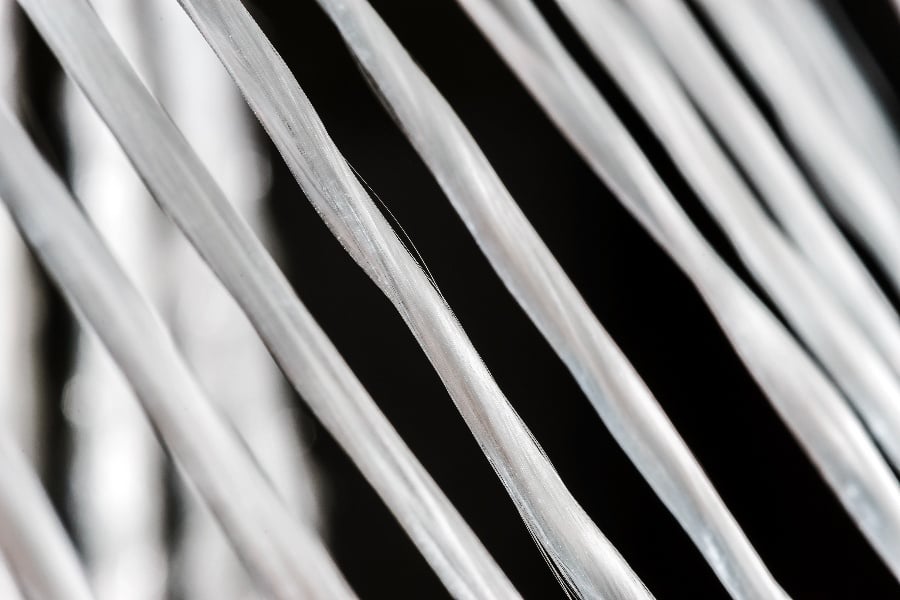
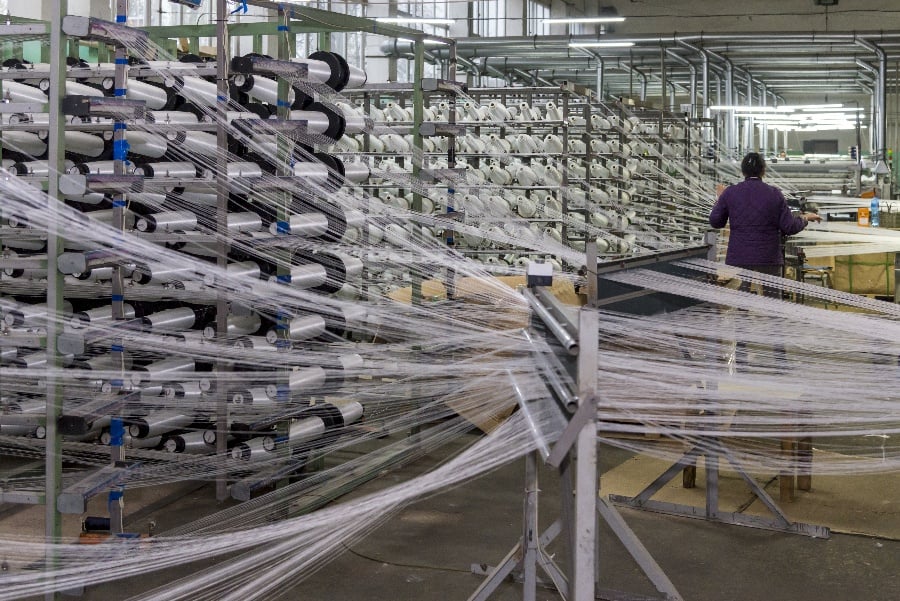
Pultrusion is a manufacturing method that converts fibers and resin into fiber-reinforced polymers, also known as FRPs. With a constant cross-section, FRPs are both durable and efficient.
Pultruded profiles are commonly used as supports for outdoor structures and buildings to replace older materials such as wood, steel, or other metals. For example, pultruded poles (and other profiles) stand strong even in harsh weather conditions such as hurricanes, tornadoes, and windstorms.
Pultrusion produces extremely versatile profiles, making them suitable for sectors across a variety of industries.
The manufacturing process can be customized to design profiles to fit almost any need currently being filled by wood, steel, or aluminum. In addition to being more durable and just as effective as traditional materials, pultruded parts are a more sustainable option with a lower total cost of ownership over the structure's lifecycle. Over the next few years, we can expect more industries to replace wood, aluminum, and steel with pultruded profiles.
A Pultrusion Market Report published by Lucintel backs up the assertion above. By 2024, Lucintel predicts the market will reach an estimated $3.4 billion due to the “increasing demand for lightweight, corrosion-resistant, and durable products for various end-use industries.”
The following are four sectors expected to enjoy fast-growing demand:
1. Building
Pultruded glass profiles provide considerable benefits to the building sector. Research shows that pultruded materials, such as glass fiber-reinforced polymers, can maintain their properties after 15 years of service, offering new levels of durability and long-term performance that other materials (like wood and steel) cannot provide.
The pultrusion process creates lightweight, durable profiles that can be used to build safe and sound structures. It also provides a lower total cost of ownership option for homes and buildings, as these are more sustainable over the life span of the structure.
Fiberglass FRPs are versatile and flexible and can be designed to be aesthetically pleasing and produced in different shapes and sizes. These can be fabricated into a wide range of shapes and profiles, including tubes, rods, poles, and custom forms. Moreover, compared to wood, steel, or aluminum, this shaping can be done during the pultrusion process. This versatility means FRP is often an ideal choice for highly customized or intricate components.
Using custom dies, Tencom can configure various profile shapes to meet your requirements. As a pultrusion manufacturer, we can work with you to build components to your design specifications.
2. Civil Engineering
Civil engineers are increasingly opting to use pultruded fiberglass, and we can only expect to see it become a staple in the industry.
When working on projects that rely on material efficiency and careful calculation, such as bridges and railways, civil engineers need to trust that the materials they’re using will not cause additional drag and weight. In addition, the pultrusion process creates long-lasting steel replacements that won’t corrode over time.
Pultruded fiberglass is lightweight ─ at about 30% lighter than aluminum and 70% lighter than steel. FRP profiles are ideally suited for use in construction projects intended to last for years. These work out to be more cost-efficient in the long run. They are also easier to handle and transport than other metals, reducing freight costs and creating the potential to reduce lead times.
In all, they require less maintenance over the years. For these reasons, civil engineers are increasingly using pultruded fiberglass for bridges, guardrails, pipelines, and more.
3. Electric Power
Hotline sticks have proven to be a valuable addition to the electric power industry. These high-voltage pultruded fiberglass poles are non-conductive, ensuring the safety of both the power lines and the electricians working on them. In addition to being safe, they can withstand 1,000 kV per foot.
4. Auto
When it comes to the products and parts used to make cars, those in the auto industry are always looking for more cost-effective solutions and lightweight materials. Pultruded products such as bumpers, roof beams, and more are increasingly being used to replace traditional materials (such as steel) in vehicles. Pultruded materials are incredibly durable and strong enough to be used safely. Compared with other materials, pultruded parts are much lighter.
The Takeaway
Over the next five years, we can expect significant demand for pultruded profiles. Industries that make the switch will experience lower costs by saving money over the lifecycle of the end products, as little to no maintenance is required.
Pultruded fiberglass profiles meet all the demanding specifications and requirements for the building, civil engineering, electric power, and automotive sectors. These provide superior dimensional stability across short and long lengths, tight parameters for precision and tolerance, ease of installation, low-cost transport, and even lower maintenance.
If you are considering pultrusion for your next project, get in touch with our experts here at Tencom. We would be happy to provide you with a quote and answer any other questions you may have about our process and products. Contact Tencom today.