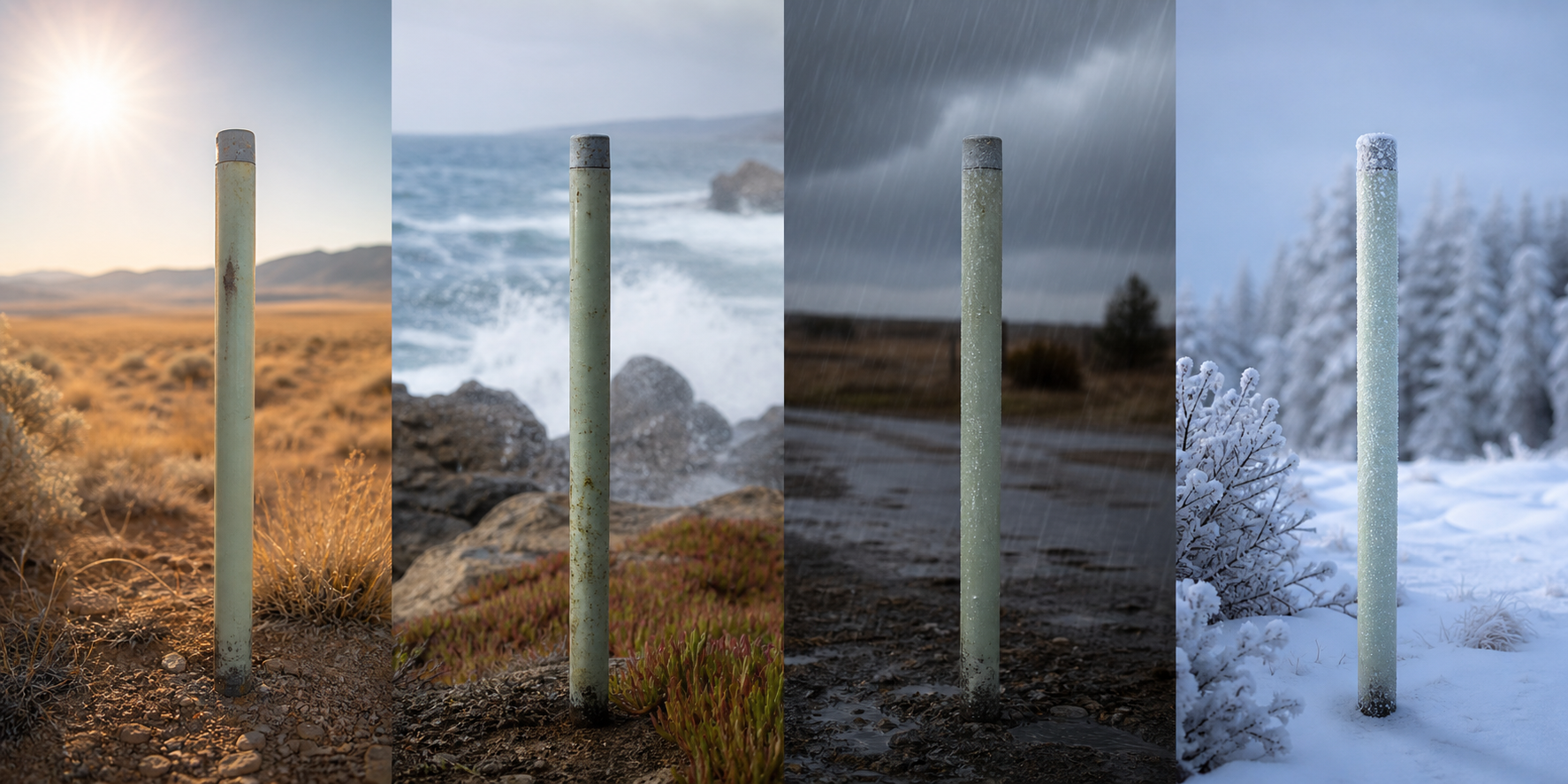
Fiberglass rods installed outdoors face three constant forces: UV radiation, moisture, and chemical exposure. Each attacks the composite material through a different mechanism, and each can shorten service life if the profile isn't specified correctly. Understanding how fiberglass rod corrosion resistance works at the material level helps you make smarter specification decisions and avoid the hidden costs of premature replacement.

This article explains the mechanisms behind FRP profiles' outdoor durability, how resin selection and protective features resist degradation, and where custom pultruded components deliver longer service life than standard catalog options.
Key Takeaways: How Fiberglass Rods Resist Outdoor Degradation
- UV radiation targets the resin matrix, but UV stabilizers and surface veils preserve structural integrity for decades of outdoor service.
- Moisture resistance depends on the fiber-matrix bond, and vinyl ester resin systems create a tighter barrier against water infiltration.
- Chemical exposure from salt spray, industrial processes, or alkaline soils affects unprotected profiles more aggressively than properly specified FRP.
- Tencom engineers custom fiberglass rods with resin systems, UV stabilizers, and surface protection matched to your specific outdoor environment.
- Selecting the right resin chemistry and protective features during specification prevents the hidden costs of premature replacement.
What Makes Fiberglass Rods Inherently Resistant to Outdoor Conditions?
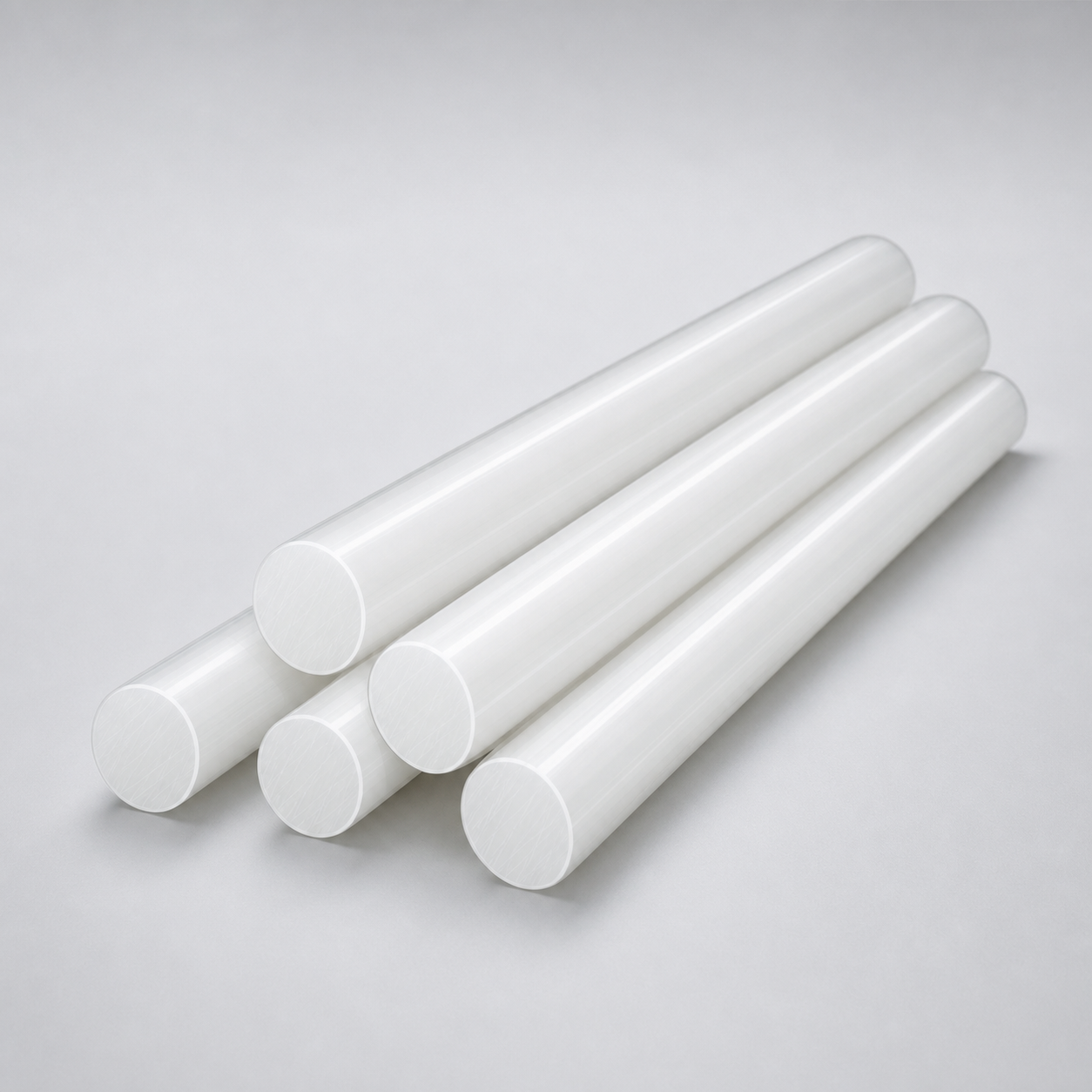
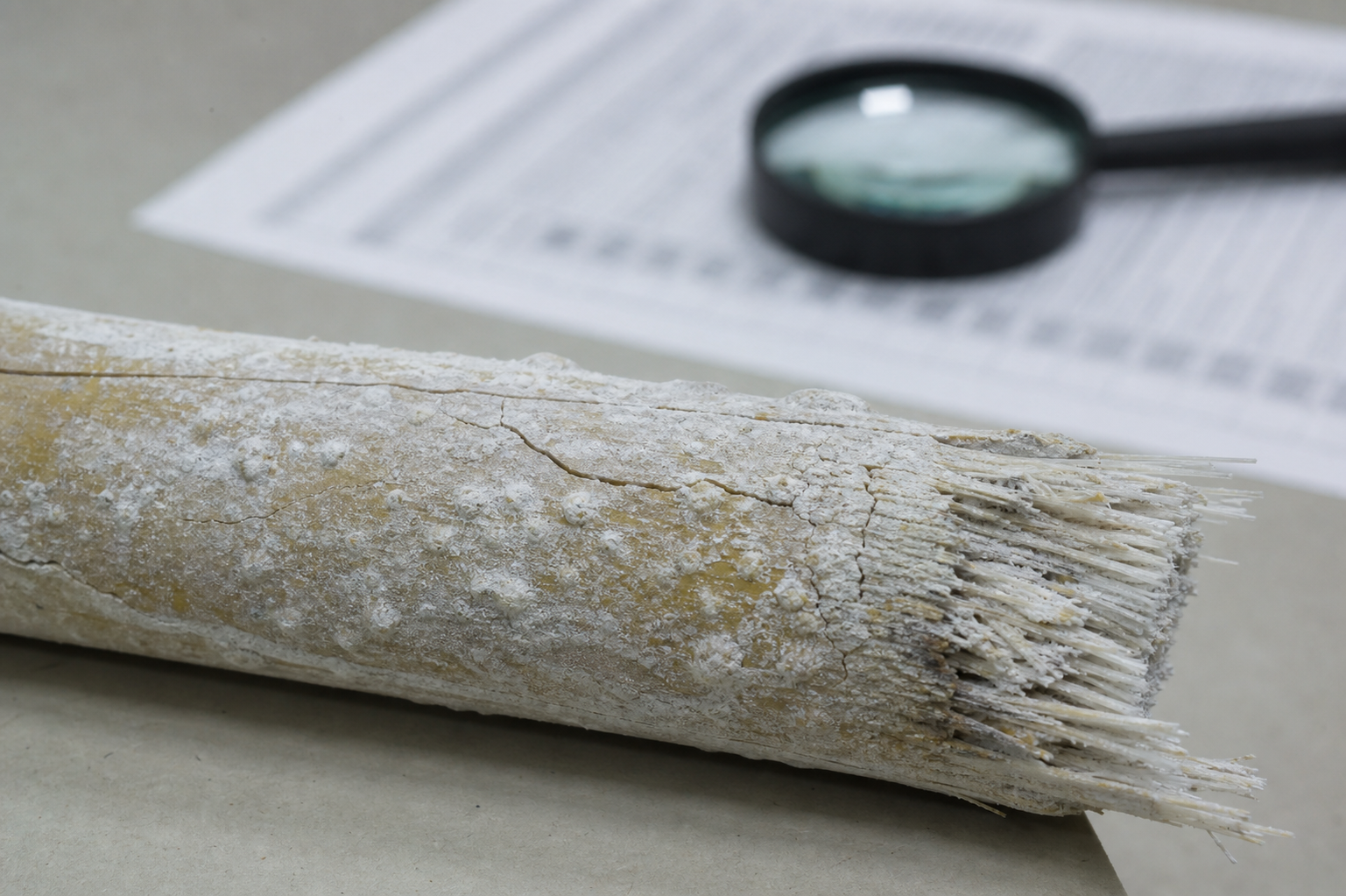
Fiberglass rods are composite profiles made from glass fiber reinforcements embedded in a polymer resin matrix. The resin encapsulates and shields the structural fibers from direct environmental contact, creating a built-in barrier against degradation forces.
This composite structure gives fiberglass rods a natural advantage over traditional materials in outdoor applications. The glass fibers themselves are inorganic and inherently stable against UV radiation. The resin matrix, when properly formulated, resists moisture penetration and chemical attack across a wide range of conditions.
That resistance isn't automatic, though. It depends on material specification: the resin system, the protective additives, and the surface treatments chosen during manufacturing. Get those choices right, and your fiberglass rods deliver reliable outdoor performance for 25 years or more.
How Does Resin Selection Determine UV Resistance in Fiberglass Rods?
UV radiation from sunlight breaks polymer chains in the resin matrix through photodegradation. The rate and severity of this breakdown depend almost entirely on the resin chemistry you specify.
Standard polyester resins offer baseline UV performance for moderate exposure conditions. Vinyl ester resins resist photodegradation longer because their molecular structure contains fewer reactive sites where UV energy can initiate chain-breaking reactions. Epoxy systems deliver the highest baseline UV resistance for demanding applications.
Beyond resin type, UV-stabilizing additives play a critical role. Hindered amine light stabilizers (HALS) neutralize free radicals before they can propagate damage through the polymer network. According to a 2025 study published in Polymers, unprotected glass fiber-reinforced laminates showed significant increases in surface roughness and reductions in flexural strength after 2000 hours of UV irradiation, while properly protected composites retained their structural properties.
Color pigmentation adds another layer of defense. Pigment particles physically block and scatter UV radiation, reducing the energy that reaches reactive polymer bonds.
How Do Surface Veils Protect Fiberglass Rods from Weathering?
A surface veil creates a resin-rich outer layer that acts as a sacrificial barrier against environmental exposure. UV damage, moisture, and abrasive particles attack this protective layer first, while the load-bearing structural core stays intact underneath.
The veil approach works because it puts the most expendable material on the outside. Even if the outer layer shows signs of weathering over years of direct exposure, the glass-fiber reinforcement and surrounding resin remain protected. Fresh UV-stabilizer molecules become available as the surface erodes slowly, maintaining active protection.
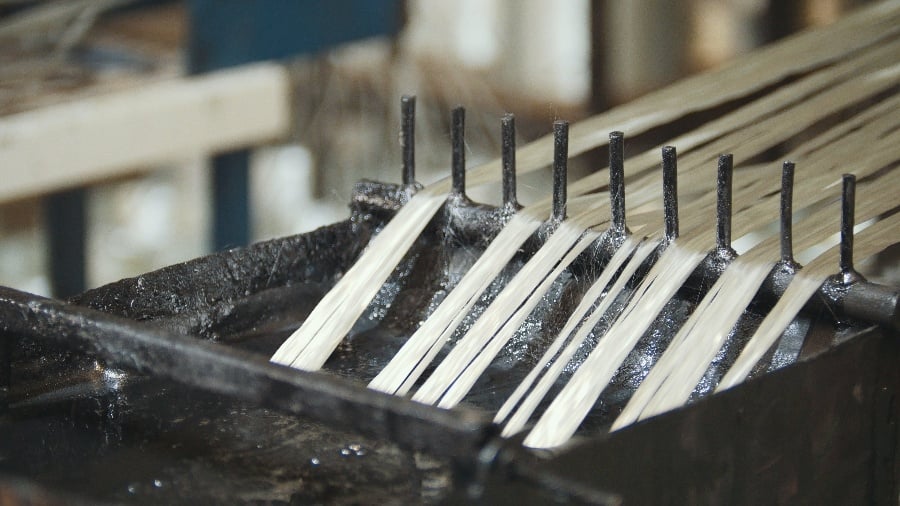
Tencom incorporates surface veils into pultruded fiberglass rods during manufacturing. This integration means protection is part of the profile from the start, not a coating applied after the fact that can chip, peel, or wear away.
Why Does Moisture Resistance Matter for Outdoor Fiberglass Durability?
Water penetrates composite materials through microscopic pathways in the resin. Once moisture reaches the fiber-matrix interface, it weakens the bond through hydrolysis, reducing the profile's load-carrying capacity over time.
The key to moisture resistance is keeping water away from that critical interface. Vinyl ester resins absorb significantly less moisture than standard polyester formulations because they contain fewer ester linkages where water molecules can initiate chemical attack. Learn more about resin systems for pultrusion and how each responds to environmental exposure.
Temperature accelerates moisture uptake. Warm, humid environments drive water deeper into the composite faster than cold, dry conditions. Coastal and tropical installations face the highest moisture-related risk, making resin selection especially important for those applications.
Sealing cut ends and drilled holes also matters. Exposed cross-sections allow moisture to wick along the fiber direction far faster than it penetrates through the resin surface.
How Do Fiberglass Rods Handle Chemical Exposure Outdoors?
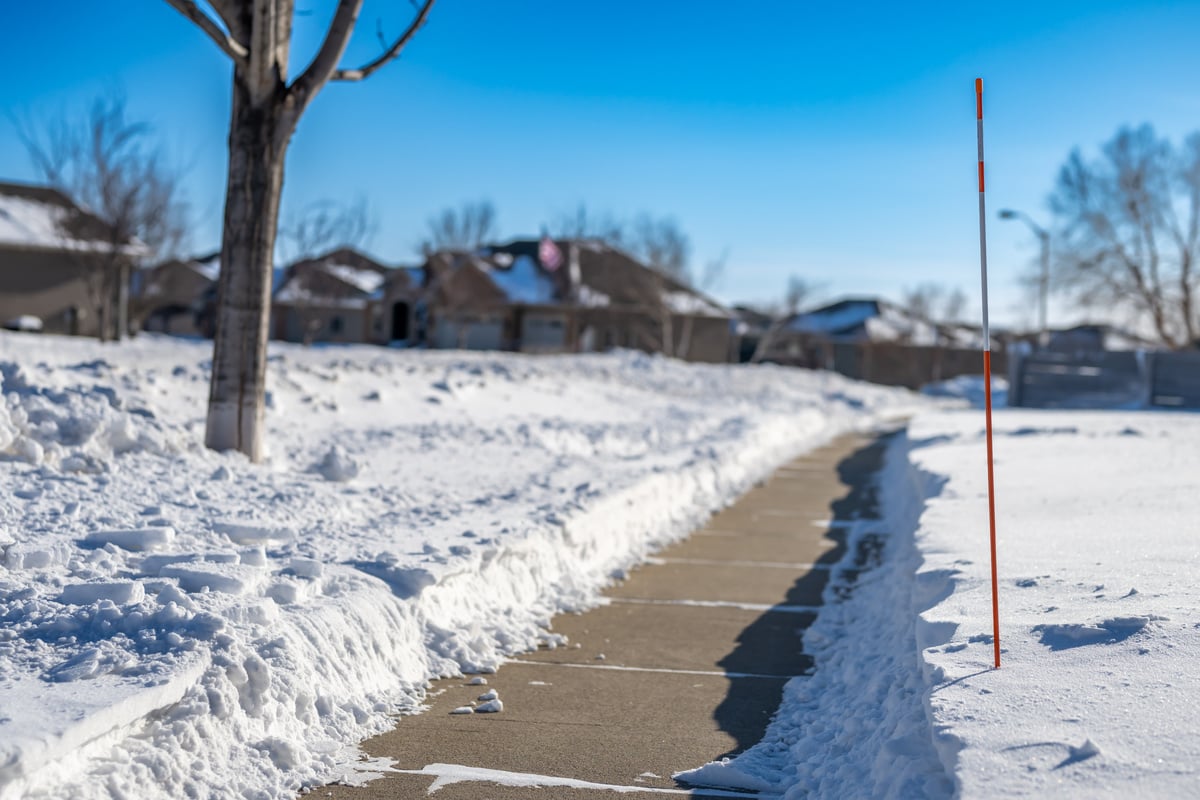
Outdoor installations face chemical challenges from salt spray in coastal environments, alkaline soils in buried applications, industrial exhaust near processing facilities, and airborne pollutants in urban settings.
FRP profiles resist these exposures because the polymer resin matrix is chemically inert to the electrochemical reactions that degrade traditional materials. No galvanic cell forms. No oxidation cascade starts. The material simply doesn't participate in those failure mechanisms.
Different resin systems handle different chemical families. Vinyl ester resins offer broad resistance to acids, alkalis, and salt solutions. Epoxy resins perform well in elevated-temperature chemical environments. Tencom's custom pultrusion services include resin selection guidance based on your specific chemical exposure profile.
What Role Does Fiber Architecture Play in Long-Term Outdoor Performance?
The arrangement of glass fibers determines how loads transfer through the composite and how well the profile maintains dimensional stability under environmental stress.
Thermal cycling causes the resin and fibers to expand and contract at different rates. Over hundreds of temperature cycles, poorly bonded interfaces develop micro-cracks that become entry points for moisture. Proper fiber architecture and resin compatibility minimize differential expansion, keeping the composite tight through seasonal temperature swings.
Tencom engineers fiber reinforcement packages for your specific mechanical and environmental requirements. Sometimes that means adding mat layers for cross-directional strength. Other times it means adjusting the roving-to-mat ratio for better interlaminar shear resistance.
Where Do Custom FRP Components Outperform Standard Profiles Outdoors?
Standard catalog profiles use general-purpose resin systems and generic protective features. They work adequately in moderate environments. But when your application involves high UV zones, constant moisture contact, chemical exposure, or demanding temperature ranges, those general-purpose formulations show their trade-offs.
Custom pultruded profiles let you match every material variable to your actual field conditions:
- Resin chemistry selected for your specific chemical and moisture exposure
- UV stabilizer packages calibrated to your geographic location and sun orientation
- Surface veil type and thickness matched to your abrasion and weathering environment
- Fiber architecture optimized for your mechanical loads and thermal cycling range
- Color pigmentation chosen for UV blocking performance and aesthetic requirements
At Tencom, custom doesn't mean long lead times or high minimums. Our engineering team works with your specifications to identify where small formulation adjustments deliver significant durability gains for your outdoor application.
How Can You Specify Fiberglass Rods for Maximum Outdoor Service Life?
Specifying outdoor fiberglass rods starts with understanding your environment. Before selecting a profile, map out the degradation forces your installation will face:
- UV intensity based on geographic latitude, elevation, and orientation
- Moisture exposure from humidity, rainfall, immersion, or condensation cycles
- Chemical agents from salt air, soil chemistry, industrial processes, or cleaning compounds
- Temperature range including daily swings and seasonal extremes
- Mechanical stresses from vibration, wind loads, or sustained tension
Then work backward from those conditions to the right resin system, protective features, and fiber package. Tencom's engineers sit down with your team to look at the whole picture, recommending materials that resist your specific combination of outdoor forces rather than over-specifying with premium resins you may not need.
In Conclusion: Matching Material Specification to Outdoor Durability Goals
Fiberglass rods resist outdoor degradation through the combined action of resin chemistry, UV stabilization, surface protection, and proper fiber architecture. Each layer of defense addresses a different attack pathway, and getting the specification right at the outset prevents the accumulated costs of premature replacement.
If you've been dealing with fiberglass profiles that don't hold up in your outdoor environment, it's worth evaluating whether your current material specification actually matches your field conditions. Tencom helps you figure out whether a custom pultruded solution delivers the outdoor durability your application demands.
Ready to specify fiberglass rods built for your outdoor environment? Explore our product options or start a conversation with our engineering team.

FAQs about How Fiberglass Rods Resist Outdoor Degradation
How long do fiberglass rods last in outdoor environments?
Properly specified fiberglass rods deliver 25 to 50 years of outdoor service life. The key variables are resin selection, UV stabilization, and surface protection matched to your environmental conditions.
Tencom engineers custom fiberglass rods with the right combination of materials so your profiles resist UV, moisture, and chemical exposure throughout their intended lifespan.
What resin system offers the most outdoor durability for fiberglass rods?
Vinyl ester resins outperform standard polyester in most demanding outdoor applications because they resist moisture penetration and UV breakdown more effectively. Epoxy systems deliver higher performance in extreme conditions.
Tencom helps you select the right resin based on your specific environmental exposure rather than defaulting to one system for all applications.
Do fiberglass rods need maintenance in outdoor installations?
Fiberglass rods require minimal maintenance compared to traditional materials. Periodic visual inspection and occasional surface cleaning are typically sufficient for most outdoor installations.
Tencom builds protection directly into the material during manufacturing, so your profiles perform reliably outdoors without ongoing coatings, treatments, or protective applications.
Can fiberglass rods resist salt spray in coastal applications?
Yes. Fiberglass-reinforced profiles are chemically inert to salt and brine. With vinyl ester resin systems and proper surface protection, FRP rods maintain structural integrity in marine and coastal environments for decades.
Tencom manufactures custom fiberglass rods with formulations designed specifically for salt exposure conditions.
How does UV stabilization work in pultruded fiberglass rods?
UV stabilizers, such as HALS additives, are mixed into the resin during production. They neutralize free radicals generated by UV radiation before those radicals can break polymer chains and weaken the matrix.
Tencom integrates UV stabilizers throughout the rod cross-section during pultrusion, so protection remains active even if the outer surface gets scratched or worn over time.