Fiberglass rods shouldn't lose their performance just because they're installed outside. Yet that's exactly what happens far too often when material selection and manufacturing quality aren't matched to outdoor conditions. Tencom helps engineers and purchasing managers understand the mechanisms behind outdoor degradation—UV exposure, moisture ingress, and resin breakdown—so you can specify fiberglass rod profiles that deliver reliable performance for years.

This article explains why fiberglass rods lose their properties when exposed to outdoor environments, what factors accelerate this breakdown, and how you can protect your investment through informed material choices.
Key Takeaways: Why Fiberglass Rods Degrade Outdoors
- UV radiation breaks down the polymer chains in resin matrices, causing surface chalking, discoloration, and eventual loss of mechanical strength.
- Moisture ingress weakens the fiber-matrix interface through hydrolysis, accelerating property loss in humid or wet environments.
- Resin type directly determines outdoor durability—vinyl ester and epoxy systems resist degradation longer than standard polyester formulations.
- Surface veils and UV stabilizers act as protective barriers, extending the service life of fiberglass rods exposed to sunlight.
- Tencom engineers custom fiberglass rods with the right resin systems and protective features to match your specific outdoor application requirements.
What Causes Fiberglass Rod Degradation Outdoors?
Fiberglass rods are composite materials made from glass fiber reinforcements embedded in a polymer resin matrix. The resin protects the fibers and transfers loads between them. When that resin degrades, the entire profile loses its performance characteristics.
Three primary mechanisms drive outdoor degradation: UV exposure, moisture ingress, and resin breakdown. Each affects the material differently, and all three often work together to accelerate the decline. Understanding these mechanisms helps you specify materials that resist them.
How Does UV Exposure Damage Fiberglass Rods?
Ultraviolet radiation from sunlight penetrates the outer surface of fiberglass rods and attacks the polymer resin at a molecular level. The energy from UV rays breaks the chemical bonds that hold polymer chains together—a process called photodegradation.
The visible symptoms appear first as surface changes. You'll notice yellowing, chalking (a powdery white residue), and loss of surface gloss. These aren't just cosmetic issues. According to research published in Scientific Reports, UV exposure degrades the outer resin layer, eventually exposing glass fibers directly to the environment.
This condition, known as "fiber bloom," marks a turning point. Once fibers are exposed, water and chemicals can directly access the fiber-matrix interface. The protective barrier is gone, and degradation accelerates rapidly.
Why Resin Type Matters for UV Resistance
Different resin systems respond to UV exposure differently. Standard polyester resins are most vulnerable, showing degradation relatively quickly under direct sunlight. Vinyl ester resins offer better UV stability due to their chemical structure. Epoxy resins typically deliver the highest baseline UV resistance.
However, no resin system is inherently UV-proof without additional protection. That's why surface veils, UV-stabilizing additives, and pigmentation matter so much for outdoor applications.
How Does Moisture Affect Fiberglass Rod Performance?
Water doesn't just sit on the surface of fiberglass rods—it penetrates into the material over time. This process, called moisture ingress, damages the composite through several mechanisms that compound over months and years of exposure.
The most damaging effect occurs at the fiber-matrix interface. Water molecules work their way between the glass fibers and the surrounding resin, weakening the bond through a chemical process called hydrolysis. Research published in Frontiers in Materials found that moisture absorption can reduce tensile strength by up to 24% in polyester-based GFRP profiles when exposed to water immersion.
Temperature accelerates this process. Warm, humid environments drive moisture deeper into the composite faster than cold, dry conditions. That's why fiberglass rods in tropical or coastal installations face a higher risk of degradation than those in arid climates.
Why Surface Protection Prevents Moisture Damage
A well-designed surface veil creates a resin-rich outer layer that slows moisture penetration. This protective barrier buys time—sometimes decades of additional service life—by keeping water away from the critical fiber-matrix interface.
Tencom incorporates surface veils into pultruded fiberglass rods specifically for outdoor applications. This approach gives you profiles that resist moisture ingress from the day they're installed.
What Role Does Resin Breakdown Play in Degradation?
Resin breakdown is the common endpoint of UV exposure and moisture ingress. Both mechanisms attack the polymer matrix, but through different chemical pathways that can occur simultaneously.
UV-induced breakdown involves free radical formation. Photons break chemical bonds, generating reactive species that attack neighboring polymer chains in a cascade of reactions. This process continues as long as UV exposure continues, gradually converting the tough resin into a brittle, weakened material.
Hydrolysis from moisture involves water molecules inserting themselves into ester linkages (common in polyester and vinyl ester resins), breaking the polymer chain. The result is similar—loss of mechanical properties—but the mechanism differs.
How Manufacturing Quality Affects Resin Performance
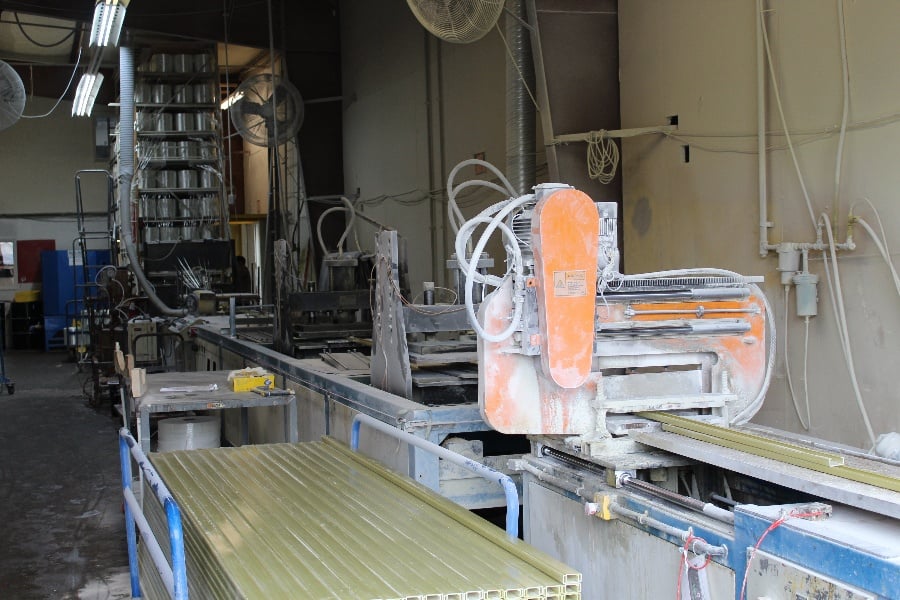
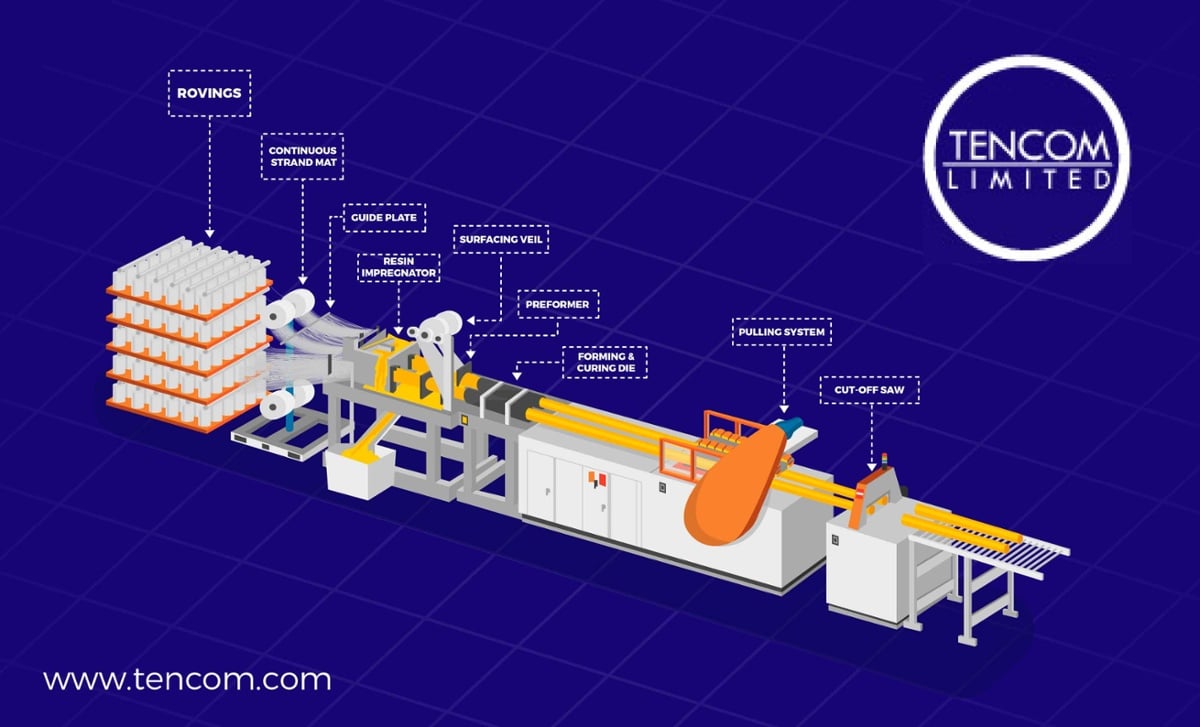
Incomplete resin cure during manufacturing leaves unreacted components in the finished profile. These can accelerate degradation by providing additional sites for chemical attack. Proper process control during pultrusion ensures full cure, maximizing the resin's natural resistance to environmental degradation.
Because Tencom has been focused on pultrusion for nearly 30 years, our engineers understand how process parameters affect long-term outdoor durability. We can often suggest small changes that deliver outsized performance gains—whether that's adjusting cure temperature or selecting a more appropriate resin system for your specific conditions.
What Factors Accelerate Outdoor Degradation?
Not all outdoor environments degrade fiberglass rods at the same rate. Several factors determine how quickly your profiles will lose performance:
- UV intensity and exposure duration (geographic location, orientation, shading)
- Temperature extremes and thermal cycling (daily and seasonal swings)
- Humidity levels and direct water contact (rain, immersion, condensation)
- Chemical exposure from air pollution, salt spray, or industrial processes
- Mechanical stress combined with environmental factors (stress degradation)
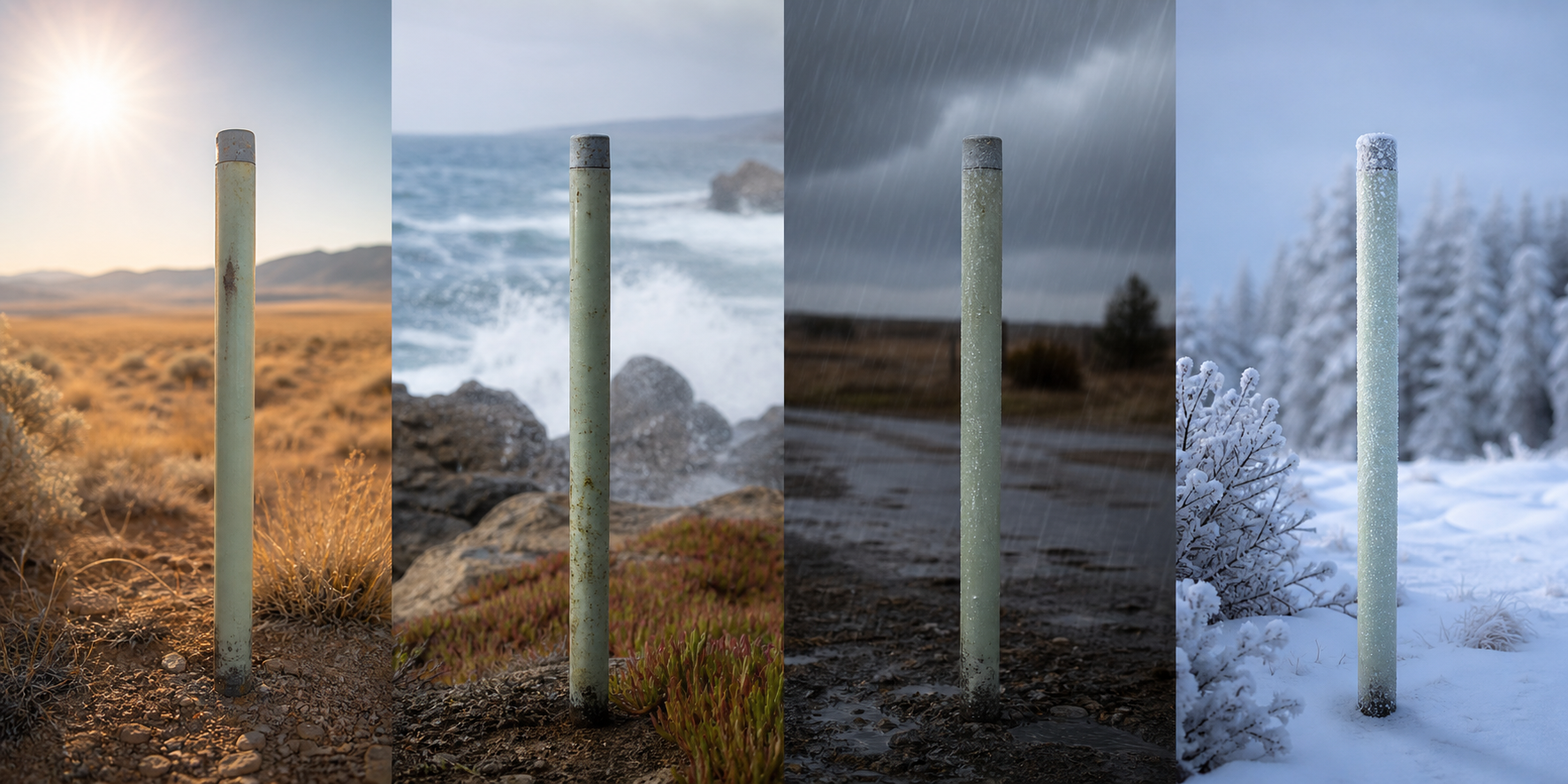
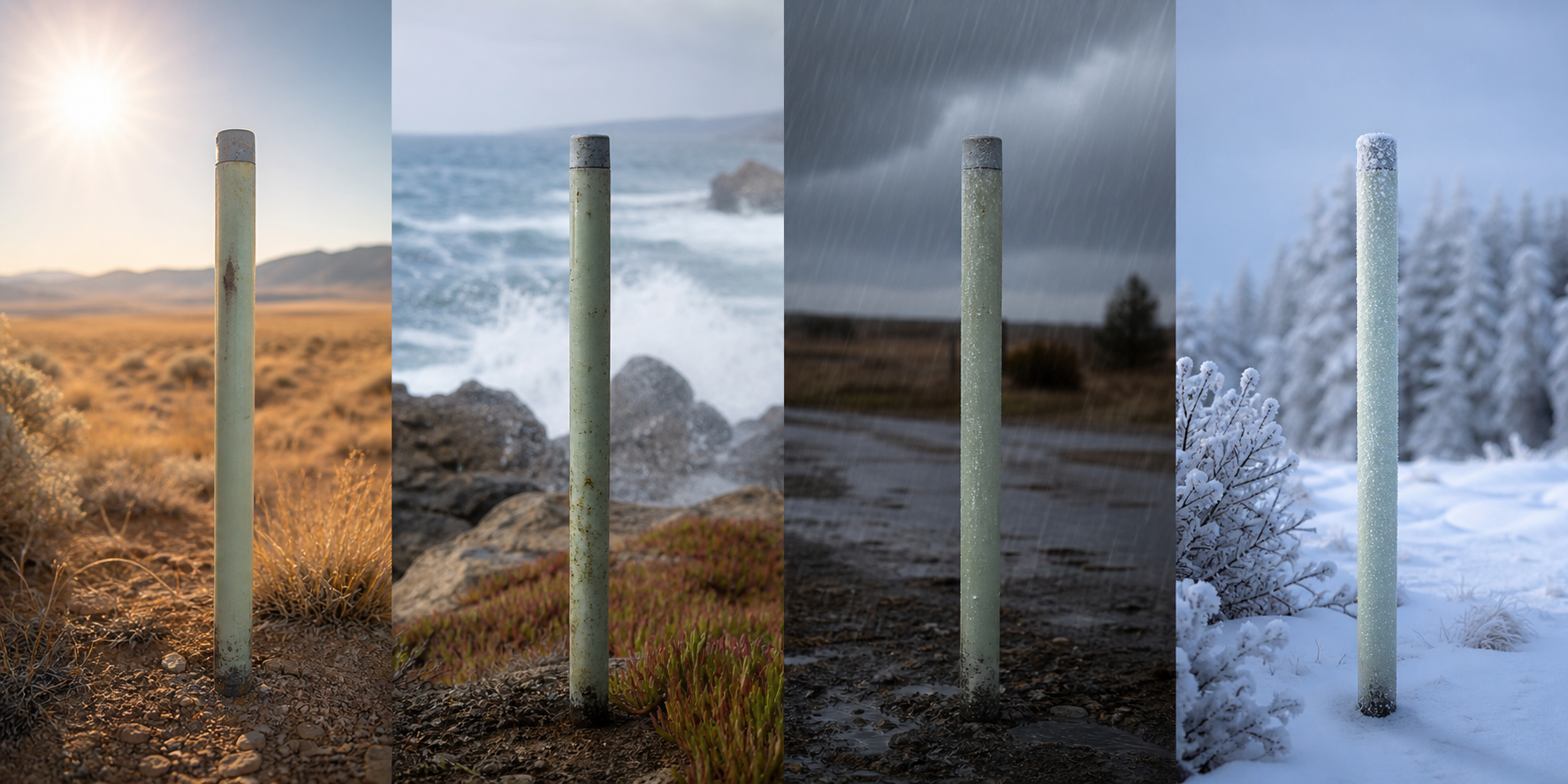
Coastal installations face the combined assault of UV, salt spray, and humidity. Desert applications face intense UV and extreme temperature fluctuations. Understanding your specific environment helps you specify the right material for the job.
How Can You Protect Fiberglass Rods from Outdoor Degradation?
Protection starts at the material specification stage. Once a fiberglass rod is installed, your options for extending its life become limited. The right choices up front prevent problems down the road.
Surface veils create a resin-rich protective layer that absorbs UV damage and slows moisture penetration. UV-stabilizing additives (like hindered amine light stabilizers) neutralize free radicals before they can damage polymer chains. Pigmentation blocks UV penetration while providing color-through aesthetics that don't fade like surface coatings.
Resin selection matches the material to the environment. Vinyl ester resins outperform polyester in most outdoor applications. Epoxy systems handle the most demanding conditions but cost more. Tencom's engineers work backward from your requirements—temperature range, UV exposure, moisture conditions—to recommend the right resin matrix and reinforcement package.
What Should You Look for When Specifying Outdoor Fiberglass Rods?
Asking the right questions during specification prevents performance failures after installation. Consider these factors when evaluating fiberglass rod options for outdoor use:
- What resin system is used, and what's its track record in similar environments?
- Does the profile include a surface veil for UV and moisture protection?
- Are UV stabilizers incorporated into the resin formulation?
- What testing data supports outdoor durability claims?
- Can the manufacturer adjust the formulation for your specific conditions?
Generic catalog options get close to what you need—but not close enough. The difference between adequate outdoor performance and premature failure often comes down to details that standard specifications don't capture. That's where a manufacturer with custom capabilities and application experience makes the difference.
In Conclusion: Protecting Your Fiberglass Rod Investment Outdoors
Fiberglass rods degrade outdoors through three interconnected mechanisms: UV exposure degrades the surface resin, moisture ingress attacks the fiber-matrix interface, and resin degradation compromises mechanical properties. The rate of degradation depends on environmental factors, resin selection, surface protection, and manufacturing quality.
If you've been specifying fiberglass rods that don't hold up in outdoor conditions, it's worth looking at what a custom approach can deliver. Tencom engineers sit down with your team (or your drawings) and look at the whole picture—environmental exposure, mechanical requirements, and service life expectations.
Ready to specify fiberglass rods that perform reliably outdoors? Start a conversation with our engineering team. We'll help you figure out whether a custom pultruded solution makes sense for your application.
FAQs About Why Fiberglass Rods Degrade Outdoors
Can fiberglass rods be used outdoors without degradation?
Fiberglass rods can perform well outdoors for decades when specified correctly. The key is matching the resin system, surface protection, and additives to your specific environmental conditions.
Tencom engineers custom fiberglass rods with UV stabilizers, surface veils, and appropriate resin systems that resist outdoor degradation. This approach extends service life far beyond what standard catalog products can deliver.
How long do fiberglass rods last outside?
Outdoor service life ranges from a few years to several decades depending on material selection and environmental severity. Unprotected polyester-based rods in harsh UV environments may show degradation early, while vinyl ester profiles with UV stabilizers can last 20+ years.
Tencom helps you specify the right combination of materials to achieve your target service life in your specific outdoor conditions.
What's the difference between UV damage and moisture damage in fiberglass?
UV damage primarily affects the surface resin through photodegradation, causing chalking, discoloration, and eventual fiber exposure. Moisture damage occurs deeper in the material, weakening the bond between glass fibers and resin through hydrolysis.
Both mechanisms reduce the mechanical properties, but they act on the composite differently. Effective protection addresses both simultaneously through surface veils, UV additives, and appropriate resin selection.
Does color affect fiberglass rod durability outdoors?
Pigmented fiberglass rods generally last longer outdoors than unpigmented ones. Pigments block UV radiation from penetrating the resin matrix, reducing photodegradation. Dark colors may absorb more heat, which can accelerate moisture-related degradation in some conditions.
Tencom offers color pigmentation integrated during the pultrusion process. This provides UV protection and a consistent color throughout the profile, not just on the surface.
Can degraded fiberglass rods be repaired or restored?
Once significant degradation occurs, restoration options are limited. Surface coatings can slow further damage but won't restore lost mechanical properties. Severely degraded rods typically need replacement.
Tencom recommends specifying the right materials from the start to avoid premature replacement costs. Our engineering team helps you match material selection to environmental demands so your profiles perform reliably throughout their intended service life.