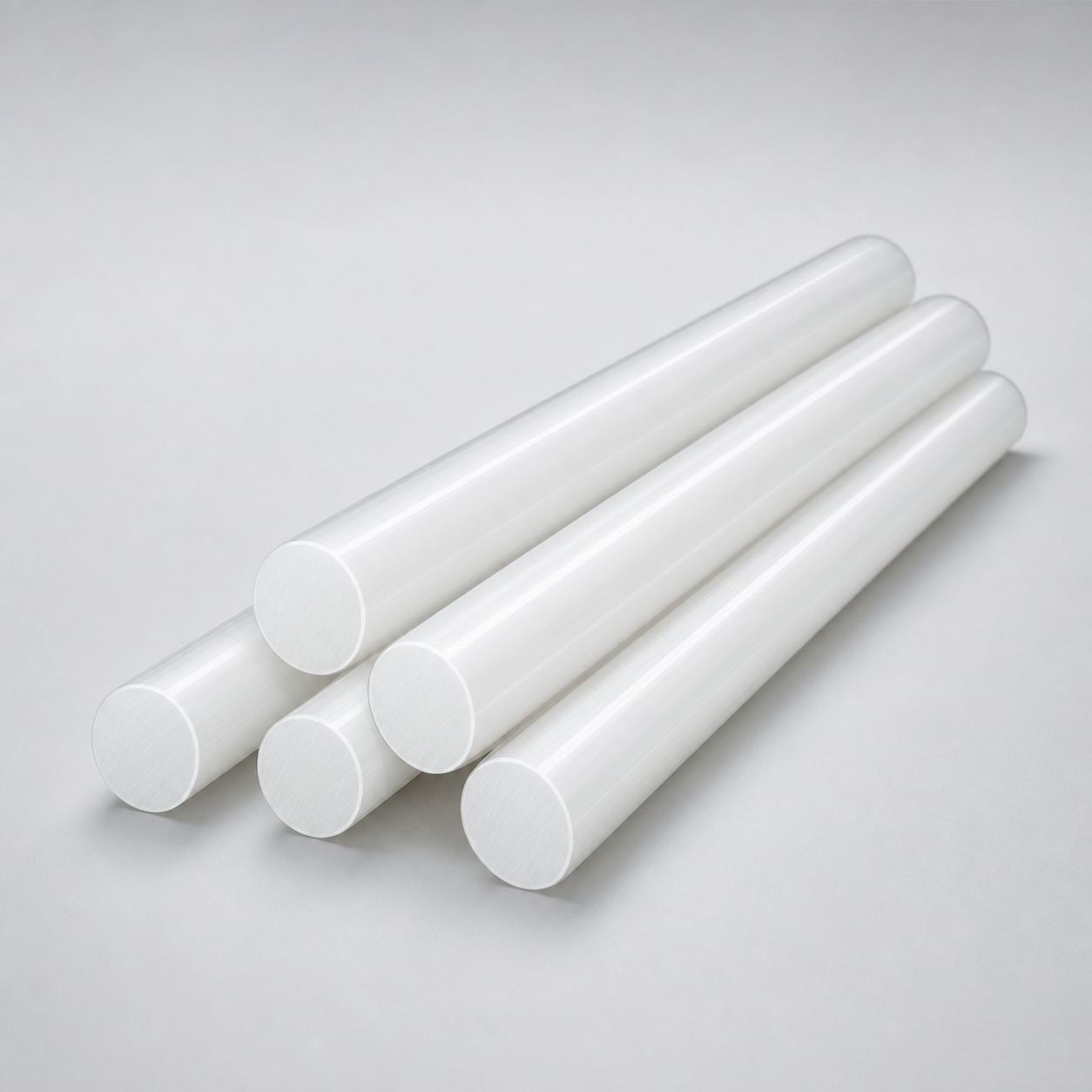
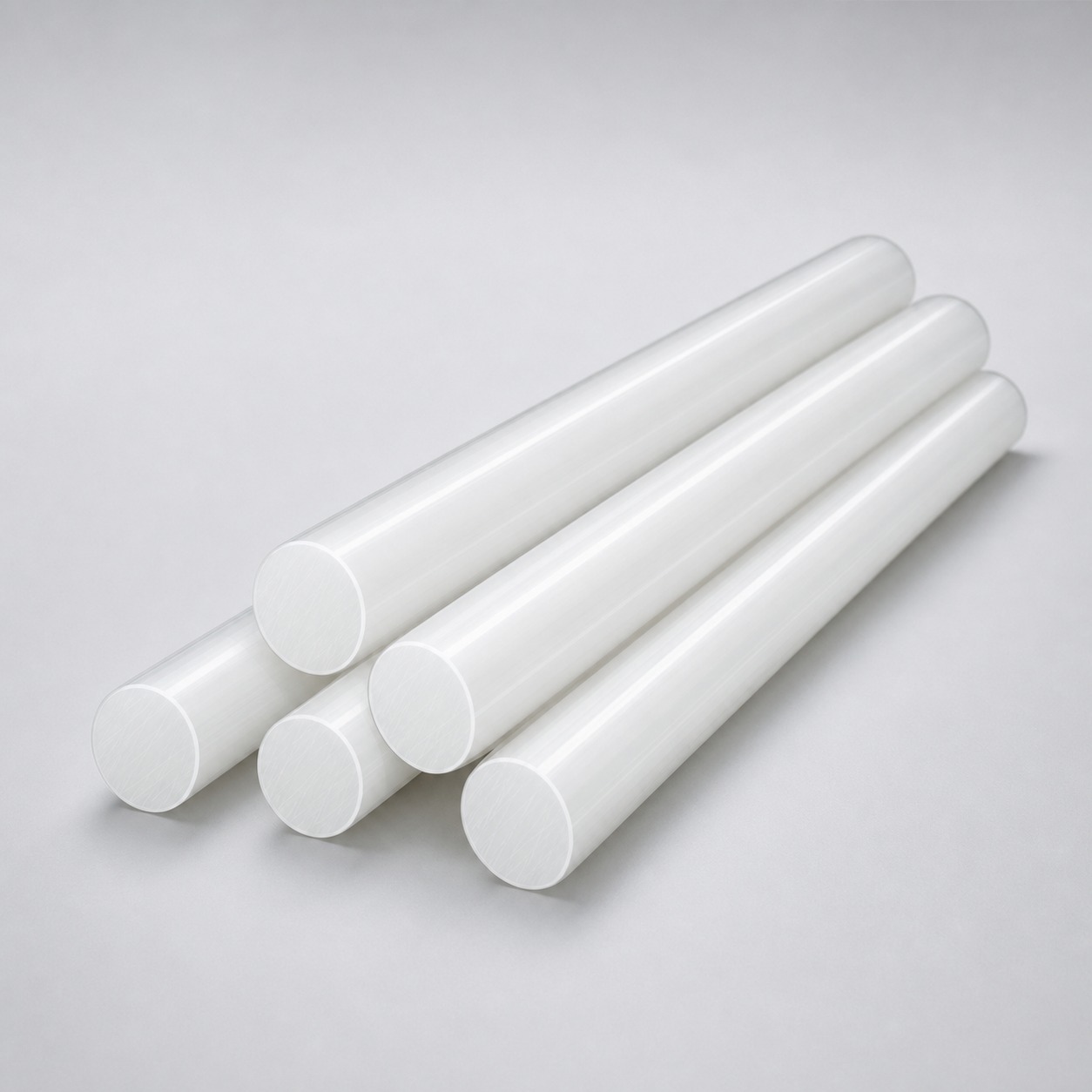
A single fiberglass rod that tests well in the lab can still fail in an assembled product. The difference between that lab result and real-world load performance often comes down to quality variability during the pultrusion process. Small inconsistencies in resin saturation, fiber alignment, or cure temperature can reduce flexural strength and dimensional tolerance enough to cause cracking, premature fatigue, or outright structural failure in load-bearing assemblies.

This article breaks down how fiberglass rod quality variability influences load-bearing performance in manufactured assemblies, and what your team can do to source rods that perform consistently under real operating conditions. Tencom engineers pultruded fiberglass rods with tight dimensional tolerances and controlled resin systems to address exactly these sourcing concerns.
Key Takeaways: How Fiberglass Rod Quality Affects Load Performance
- Inconsistent fiber alignment during pultrusion directly reduces rod tensile and flexural strength under load.
- Resin matrix variability introduces weak points that accelerate cracking in conductor and structural assemblies.
- Dimensional tolerance deviations cause uneven load distribution and premature fatigue failure in manufactured products.
- Tencom's in-house engineering reviews address rod quality at the resin, fiber, and die design level before production.
- Sourcing rods from a single-source pultruder reduces handling risk and ensures batch-to-batch consistency.
What Causes Quality Variability in Pultruded Fiberglass Rods?
Quality variability in pultruded fiberglass rods starts at the raw material stage and compounds through every manufacturing phase. If your rod supplier does not control each variable independently, the finished product carries hidden weaknesses into your assembly.
Common sources of variability include uneven fiber wet-out in the resin bath, misaligned rovings entering the die, and inconsistent cure temperatures along the heated steel die. Each of these factors changes the rod's internal structure at the micro level.
When fiber rovings shift during the pull, they create resin-rich pockets with no reinforcement. Those pockets become stress concentration points under load. Similarly, if the cure profile runs too hot or too cold, the resin matrix can develop material properties that differ from section to section along the same rod.
How Does Fiber Alignment Affect Rod Strength Under Load?
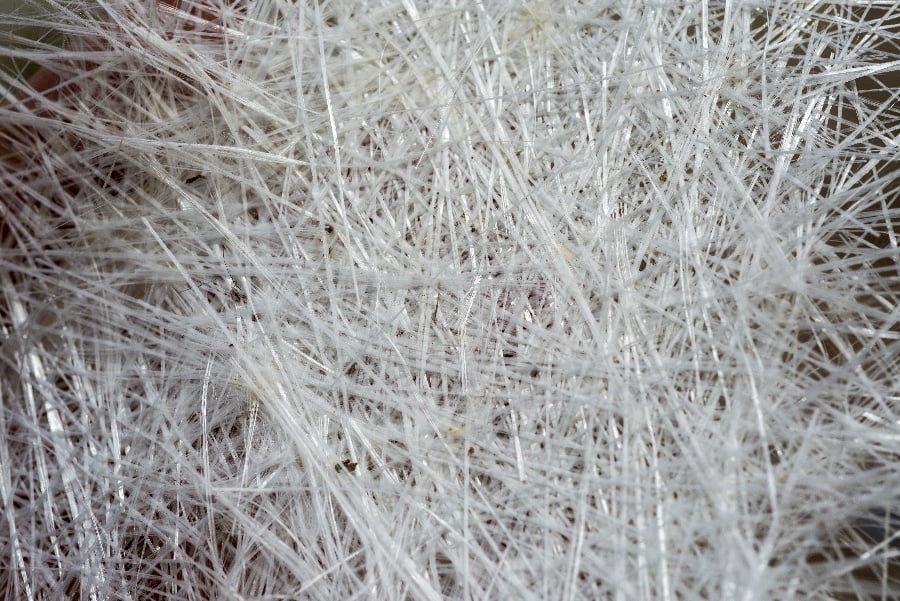
Fiber alignment is the single most consequential quality variable in a pultruded fiberglass rod. In a well-made rod, continuous glass fibers run parallel to the pull direction, creating a reinforcement package that carries tensile and flexural loads efficiently along the rod's length.
When fibers drift, bunch, or twist during pultrusion, the load path becomes irregular. Sections with sparse or misaligned fibers carry less load and transfer stress to neighboring regions, creating localized strain concentrations.
A 2025 study published in Frontiers in Built Environment found that tensile strength variability in fiber-reinforced composite rods follows a Weibull distribution, with the shape parameter increasing as manufacturing consistency improves. That research found that higher fiber volume fractions paired with controlled alignment produced tighter strength distributions and more predictable load performance.
Why Resin Matrix Consistency Matters for Load-Bearing Assemblies
The resin matrix in a pultruded rod does two critical jobs: it bonds the reinforcing fibers into a unified structure, and it transfers shear loads between those fibers under stress. When the resin system varies from rod to rod, or even along a single rod's length, both functions degrade.
Incomplete resin saturation leaves dry spots where fibers are not bonded to the matrix. Under cyclic loading, those dry spots initiate micro-cracks that grow over time. In conductor assemblies, this cracking pattern is a primary cause of premature rod failure.
Resin batch variations also affect the glass transition temperature and overall stiffness of the finished rod. If your assembly operates in environments with temperature swings, inconsistent resin cure can mean the difference between a rod that holds its load rating and one that softens under heat exposure.
How Dimensional Tolerance Deviations Lead to Premature Failure
Dimensional tolerances in pultruded rods affect how the rod fits and performs inside your manufactured assembly. A rod that is slightly oversized, undersized, or oval instead of round will not distribute load evenly across its cross-section.
Tencom holds dimensional tolerances to .005 inches on custom pultruded profiles. That precision matters because even minor diameter variations change the contact area between the rod and its mating components. When contact area is uneven, load concentrates at specific points rather than distributing across the full interface.
Over time, those concentration points become fatigue initiation sites. Your assembly may pass initial load testing but fail in the field after thousands of load cycles. This is one of the hidden costs of sourcing rods on surface price alone rather than engineering the total cost of ownership into your procurement decision.
What Role Does Sourcing Play in Fiberglass Rod Quality Consistency?
Sourcing decisions made on unit price often overlook the process controls that separate a consistent rod from an inconsistent one. When you source from multiple suppliers or from pultruders running high-volume commodity jobs, batch-to-batch variation increases because each supplier controls different variables to different standards.
A single-source approach reduces that variability. When one pultruder controls the resin system selection, fiber architecture, die design, and pultrusion process parameters, every rod in your order shares the same baseline properties.
This matters most for smaller production runs where your team cannot absorb the cost of incoming inspection and rejection. Tencom focuses on serving projects with lower minimums and custom pultruded rods that match your engineering specifications, so your assembly performs consistently from the first unit to the last.
How Your Team Can Evaluate Fiberglass Rod Quality Before Assembly
Catching rod quality issues before they reach your assembly line saves rework, warranty costs, and field failures. A few targeted checks give you confidence in the rods you receive.
Start with dimensional verification. Measure rod diameter at multiple points along the length and at both ends. Deviations beyond your specified tolerance indicate process inconsistency during the pull. Next, inspect the surface for exposed fibers, rough patches, or resin-starved areas, each a visible sign of internal variability.
For critical load-bearing applications, request a Certificate of Conformance from your supplier that includes flexural strength and tensile strength test data from the production run. Tencom's engineers can review your load cases, environmental exposure, and installation constraints to recommend the right resin matrix and fiber architecture for your application.
In Conclusion: Controlling Rod Quality Protects Assembly Performance
Quality variability in fiberglass rods is not a minor procurement detail. It directly affects the strength, weight, and service life of every assembly those rods go into. Fiber alignment, resin matrix consistency, and dimensional tolerances each contribute to how your product performs under real-world loads.
The most effective way to control that variability is to work with a pultruder who engineers rods around your specific requirements rather than pulling commodity shapes off a shelf. Tencom starts with your engineering specifications and works backward to the right resin system, reinforcement package, and profile geometry. We help you determine whether a custom pultruded rod makes sense for your application and what that would look like.
FAQs About How Fiberglass Rod Quality Affects Load Performance
What is the most common cause of fiberglass rod failure in load-bearing assemblies?
Inconsistent fiber alignment and resin saturation during pultrusion create internal weak points. Under cyclic loading, those weak points initiate micro-cracks that grow until the rod can no longer carry its rated load.
How does Tencom control fiberglass rod quality during production?
Tencom's engineers review your mechanical loads, environmental exposure, and installation constraints before selecting the resin matrix and fiber architecture. In-house die design and secondary operations keep quality under one roof.
Why do dimensional tolerances matter for fiberglass rod load performance?
Even small diameter variations change the contact area between the rod and its mating assembly. Uneven contact concentrates stress at specific points, accelerating fatigue and reducing overall service life.
Can fiberglass rods replace traditional materials in load-bearing applications?
Pultruded fiberglass rods offer a high strength-to-weight ratio, resistance to environmental degradation, and non-conductive properties. Tencom's pultruded fiberglass rods can directly replace traditional materials in many conductor, structural, and tool-handle applications.
What should purchasing managers look for when sourcing fiberglass rods?
Look for a supplier that controls the full pultrusion process from resin selection through secondary operations. Ask for tensile and flexural strength test data from each production run. Tencom's single-source model gives you one accountable partner for the entire process.