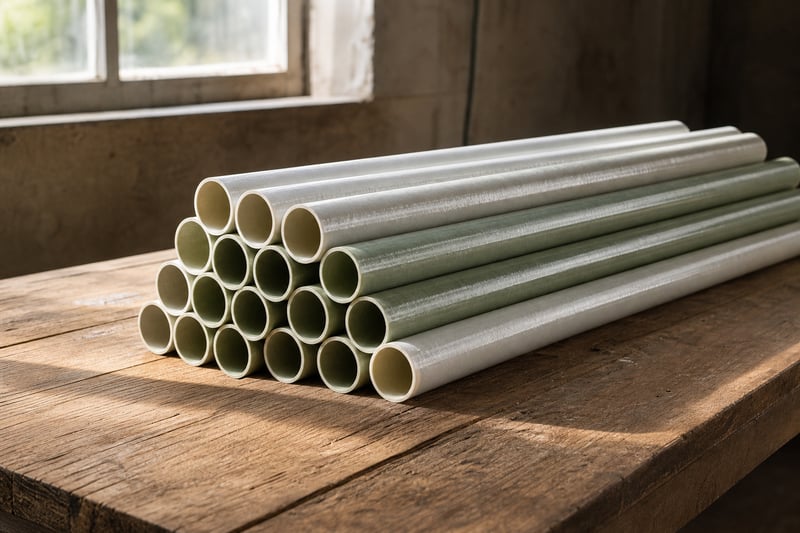
Selecting a fiberglass tube for an industrial application shouldn't mean guessing whether the wall thickness will hold up in five years. You need a profile that handles your mechanical loads, resists your chemical environment, and keeps performing through decades of field exposure.
That's where wall thickness becomes the deciding variable. Thicker walls increase load capacity and stiffness, but they also add weight and cost. Too thin, and you face premature deflection, reduced safety margins, or a shortened service life. Getting the balance right depends on understanding how thickness, fiber architecture, and resin selection interact under real-world conditions.

This article breaks down that relationship so you can make smarter specification decisions for your next project. Tencom engineers custom pultruded fiberglass tubes matched to your exact performance requirements, helping you avoid the trade-offs that come with off-the-shelf sizing.
Key Takeaways: Understanding Fiberglass Tube Service Life
- Wall thickness directly controls a pultruded fiberglass tube's load capacity, stiffness, and resistance to long-term deflection under sustained loads.
- Increasing wall thickness improves the moment of inertia, increasing flexural strength and buckling resistance in structural applications.
- Resin selection and fiber architecture influence service life as much as wall thickness, especially in chemically aggressive environments.
- Tencom's custom engineering process matches wall thickness, resin matrix, and reinforcement package to your specific mechanical and environmental requirements.
- Pultruded fiberglass tubes routinely deliver 25 to 50+ years of service when wall thickness is specified correctly for the application.
How Does Wall Thickness Affect Load Performance in Pultruded Fiberglass Tubes?
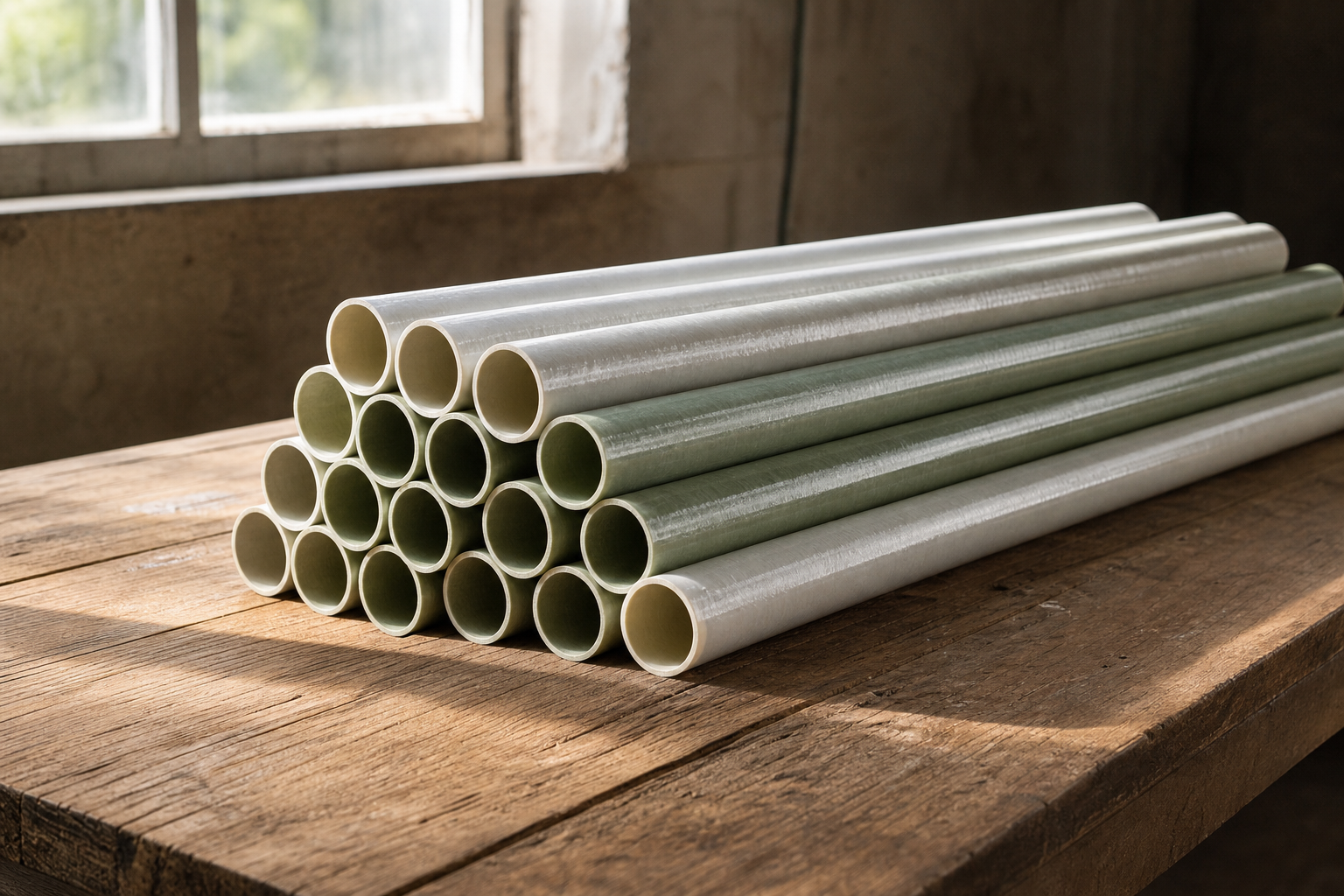
Wall thickness is the primary geometric variable controlling how a pultruded fiberglass tube responds to mechanical loads. A thicker wall increases the cross-sectional moment of inertia, which directly raises the tube's resistance to bending, compression, and buckling.
For a round tube, even a small increase in wall thickness produces a disproportionate gain in stiffness. Doubling the wall thickness of a given outside diameter can increase the moment of inertia by several hundred percent, depending on the starting dimensions. That stiffness gain translates to less deflection under load, higher critical buckling pressure, and greater safety margins for your structural system.
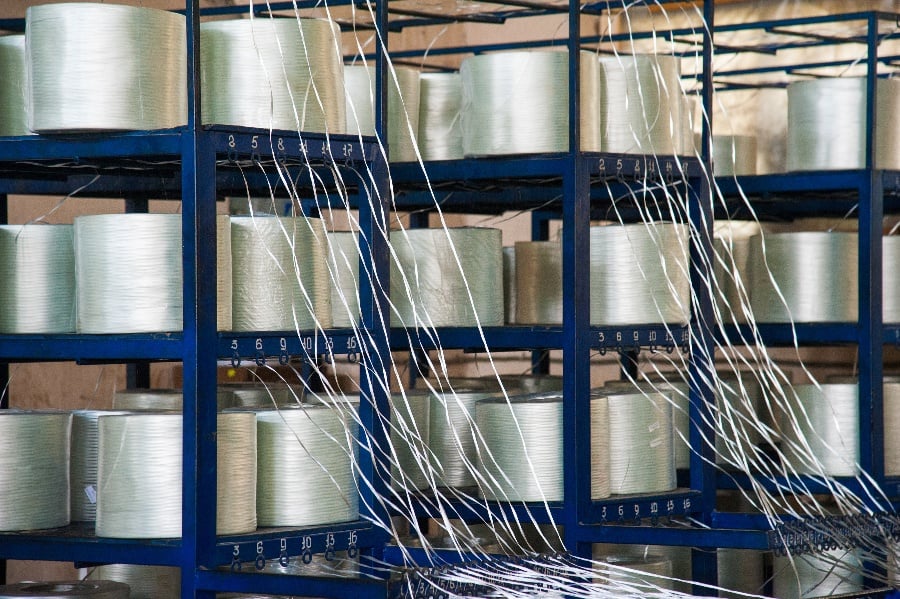
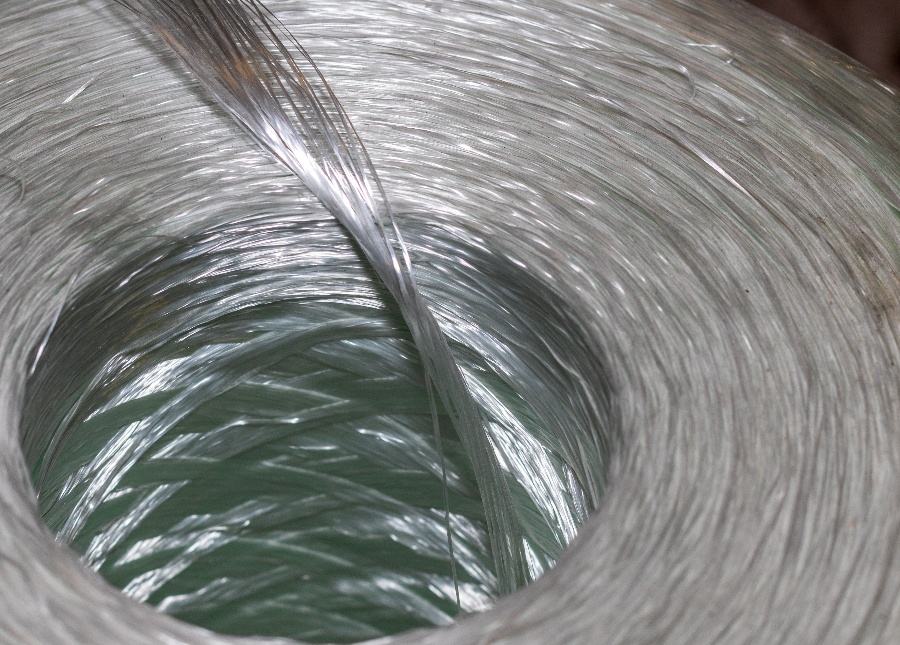
In pultruded tubes specifically, wall thickness also determines how much glass fiber reinforcement and resin matrix material the profile contains. A thicker wall means more roving and mat layers, which raises both tensile and flexural strength along the tube's length.
Why Does Fiber Architecture Matter as Much as Wall Thickness?
Wall thickness alone doesn't tell the full story. Two tubes with identical outside dimensions and wall thicknesses can perform very differently under load if their fiber architecture differs. The ratio of unidirectional roving to mat reinforcement, the orientation of fiber layers, and the glass content by weight all affect the mechanical response.
Unidirectional roving oriented along the tube's length maximizes longitudinal tensile and flexural strength. Mat layers placed between roving layers add transverse strength and help the tube resist hoop stress in pressurized or buried-pipe applications.
According to a 2026 study published in Materials, fiber orientation and volume fraction account for up to 34% of the variation in mechanical performance in glass fiber reinforced polymer composites.
At Tencom, custom pultrusion means we work backward from your load requirements to determine the right reinforcement package. Sometimes that means adjusting the roving-to-mat ratio. Other times it means specifying a different fiber content by weight to hit your stiffness targets without unnecessary material cost.
What Role Does Resin Selection Play in Long-Term Service Life?
The resin matrix binds the glass fiber reinforcement together and forms the first line of defense against environmental degradation. Choosing the wrong resin for your operating environment can shorten service life, no matter how thick the wall is.
Polyester resins handle general outdoor exposure and mild chemical contact effectively. They're the workhorse of standard industrial applications and pair well with moderate wall thicknesses in non-aggressive environments. Vinyl ester formulations step up for applications involving acids, oxidizers, solvents, or higher operating temperatures where polyester would degrade over time.
Polyurethane resins add flexibility and impact resistance, making them a fit for applications where mechanical abuse is a concern alongside chemical exposure. The resin also affects how the tube handles UV radiation over decades of outdoor service. Pigmentation and UV-stabilizing additives incorporated during the pultrusion process protect the resin matrix throughout the entire wall thickness, not just at the surface.
How Do Environmental Conditions Influence the Thickness and Service Life Relationship?
Environmental exposure introduces degradation mechanisms that interact with wall thickness in specific ways. UV radiation, moisture cycling, chemical contact, and temperature extremes each attack the resin matrix and fiber-resin interface differently.
In corrosive environments, the outer resin layer acts as a sacrificial barrier that slows chemical penetration toward the structural reinforcement. A thicker wall creates a longer diffusion path, giving the resin matrix more material to sacrifice before the load-bearing fibers are compromised. Adding a surface veil during pultrusion creates an extra resin-rich protective layer that further extends this barrier function.
Temperature cycling causes expansion and contraction that can stress fiber-resin bonds over time. Pultruded fiberglass tubes maintain dimensional stability across operating temperatures from below freezing to around 200°F (93°C) in standard formulations, with high-temperature resin options extending that range. Because fiberglass has a lower coefficient of thermal expansion than traditional materials, thicker-walled fiberglass tubes experience less cumulative thermal stress at connection points than their counterparts in other materials.
When Should You Specify a Thicker Wall for Pultruded Fiberglass Tubes?
Thicker walls make sense when your application involves high sustained bending or compressive loads, exposure to aggressive chemicals, outdoor installations requiring decades of UV resistance, or buried configurations where soil loads and groundwater create combined stress.
In utility infrastructure, for example, pultruded fiberglass tubes used as crossarms, structural supports, or conduit housings often justify thicker walls because underspecification can lead to premature field replacement. That replacement cost, including labor, downtime, and disposal, far exceeds the incremental material cost of specifying the right wall thickness from the start.
The same logic applies in chemical processing, water treatment, and marine environments where both mechanical loads and environmental exposure compound over time. Slightly over-engineering wall thickness is often a better total-cost-of-ownership decision than accepting "close enough" in the specification.
How Does Tencom Engineer Fiberglass Tubes for Maximum Service Life?
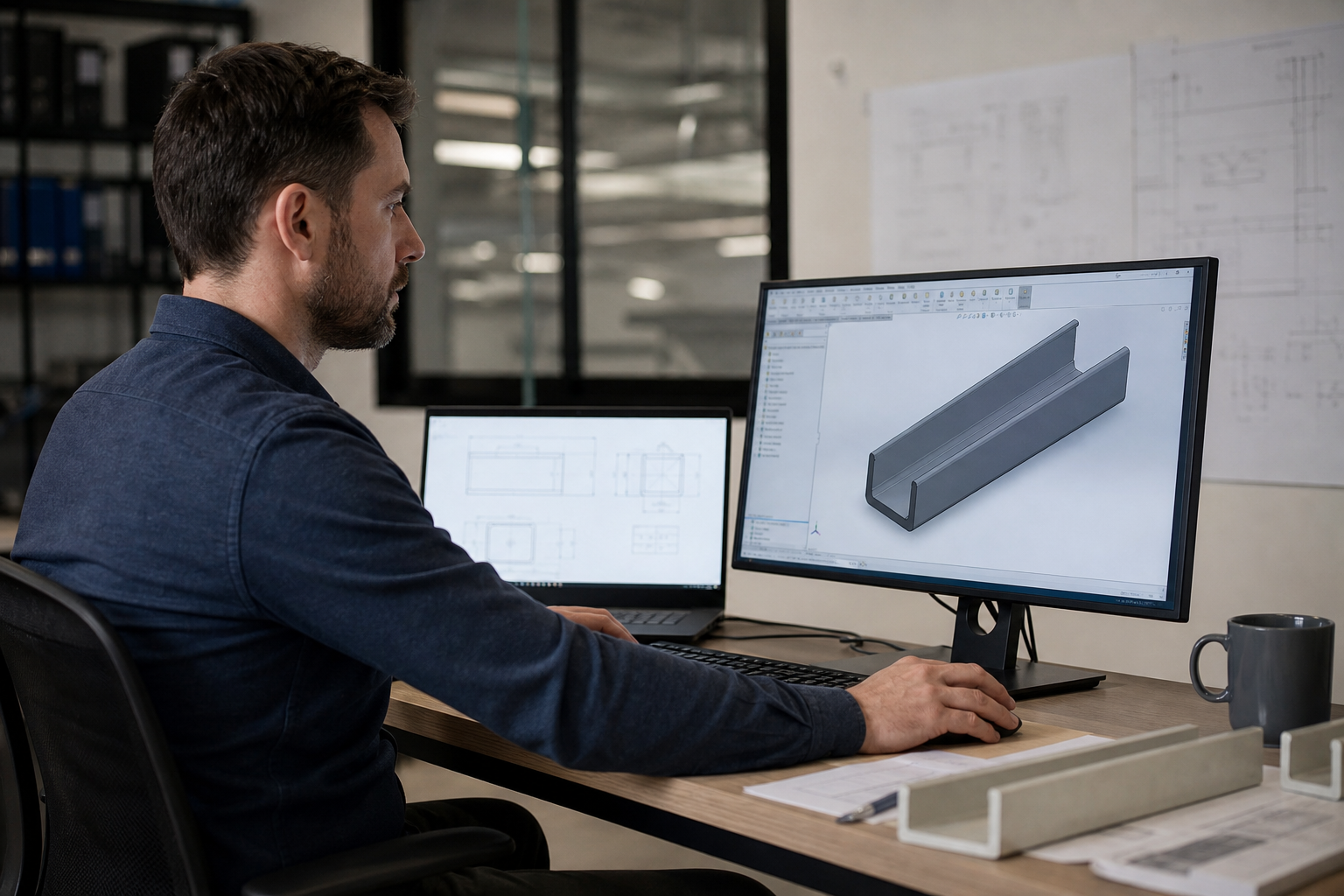
At Tencom, custom engineering starts with the big picture. Our engineers evaluate your specific requirements: mechanical loads and safety factors, environmental exposure (chemicals, moisture, temperature ranges, UV), electrical or electromagnetic requirements, and dimensional requirements for your installation.
Then we recommend the right combination of wall thickness, resin matrix, reinforcement package, and profile geometry to hit your performance targets. Because we've been focused on fiberglass pultrusion for nearly 30 years, our engineers can often suggest small changes that deliver outsized performance gains.
Adjusting the fiber architecture for better flexural strength or selecting a different resin system for longer chemical resistance can extend service life by years or even decades.
Our in-house capabilities let us handle cutting, machining, and other secondary operations so you receive tubes ready for the field. That single-source approach reduces lead times, minimizes handling damage, and gives you one accountable partner from design through delivery.
In Conclusion: Matching Wall Thickness to Your Service Life Requirements
Wall thickness, fiber architecture, and resin selection work together to determine how long a pultruded fiberglass tube will perform in your application. Specifying any one of these variables in isolation leads to compromises that show up in the field, often sooner than expected.
If you've been settling for standard tube specifications or fighting the same durability issues project after project, it's worth looking at what a custom approach can deliver. Request a quote or start a conversation with Tencom's engineering team. We'll help you determine whether a custom pultruded tube makes sense for your service life requirements, and what that would look like.
FAQs About Fiberglass Tube Service Life
How long do pultruded fiberglass tubes typically last?
Pultruded fiberglass tubes routinely deliver 25 to 50+ years of service in industrial applications. Tencom's custom engineering matches resin systems, fiber reinforcement, and wall thickness to your specific exposure conditions, maximizing durability for each installation.
Does increasing wall thickness always improve service life?
Thicker walls increase load capacity and environmental barrier depth, but they aren't the only factor. Tencom engineers evaluate resin selection and fiber architecture alongside wall thickness to ensure the complete profile specification meets your long-term performance requirements.
What resin type is recommended for chemically aggressive environments?
Vinyl ester resins offer strong resistance to acids, oxidizers, and elevated temperatures. Tencom's engineers evaluate your specific chemical environment before recommending a resin system, ensuring the finished tube handles your actual exposure conditions rather than a generic specification.
Can wall thickness affect the weight and installation cost of fiberglass tubes?
Yes, thicker walls add weight, but pultruded fiberglass remains significantly lighter than comparable profiles in other structural materials. Tencom helps you find the wall thickness that meets your load and durability requirements without adding unnecessary weight or cost.
How does Tencom determine the right wall thickness for a custom tube?
Tencom starts by evaluating your mechanical loads, environmental exposure, and installation constraints. Our engineers then work backward from those requirements to recommend the wall thickness, resin matrix, and fiber reinforcement that deliver the expected service life for your application.