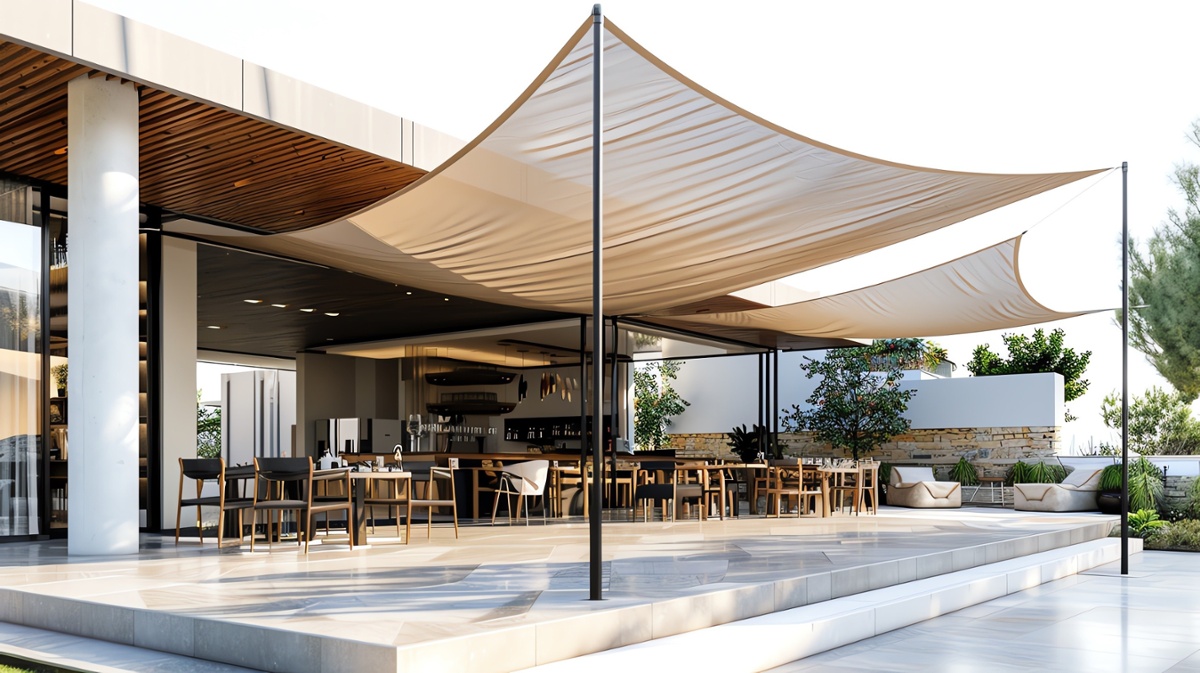
Awnings are roof-like structures made of fabric or other materials that provide shade and shelter to windows, doors, decks, patios, and other exterior spaces. They serve both functional and aesthetic purposes, blocking sunlight, rain, and other elements while also adding visual interest to a home or building's architecture.
The framework supporting an awning's covering material is critical to its performance, durability, and safety. Awning poles bear the awning's load and must withstand forces from wind, snow, and other environmental factors.
The design of awning poles affects the awning's stability, rigidity, and service life. Proper engineering is required to ensure awning poles are strong, stiff, and resistant to bending, buckling, or breaking under expected loads.

The material, shape, size, and installation method of awning poles all influence their load-bearing capabilities. Optimizing these design factors is essential to enable awnings to effectively, reliably, and safely perform their intended shading and weather-protection functions over years of use, while withstanding gusts, storms, and seasonal changes.
Careful awning pole selection or design is, therefore, an important consideration in the overall functionality and safety of awnings.
This article examines the engineering and materials considerations in awning pole design.
Understanding the Loads and Stresses on Awning Poles
Awning poles must be designed to withstand various types of loads, including:
Wind Load
Wind exerts lateral and uplift loads on awnings, imparting both bending and tensile stresses to the poles. Wind load depends on the awning's exposure, size, height, and shape.
Snow Load
Accumulated snow has a weight that exerts downward force and bending stress on awning poles. The magnitude of the snow load depends on the geographic climate and awning design.
Dead Load
The weight of the awning cover material, hardware, and poles themselves apply constant downward force under gravity, imparting compressive and bending stresses.
These loads impose different types of stresses on the poles:
Tensile Stress
Tensile forces pull outward on the poles, generated by wind uplift and tension from the awning cover. Awning poles must have adequate tensile strength to withstand these forces without breaking.
Compressive Stress
Compressive forces push inward, exerted by the dead load and by wind pressure. The poles must be sufficiently strong in compression to avoid buckling.
Bending Stress
Bending moments from wind, snow, and dead loads can deform the poles if they lack sufficient stiffness. The poles must be designed to minimize deflection.
The factor of safety accounts for uncertainties in load assumptions and material strengths. A higher factor of safety allows for unexpected high loads or material defects. Typical factors of safety for awning poles range from 1.5 to 3.
Key Design Considerations for Awning Poles
The major design factors and desired attributes to consider for awning poles include:
Strength
Awning poles must be made of sufficiently strong materials and shaped appropriately to resist bending, buckling, and breaking under expected loads. The material selected and the pole's cross-sectional size and shape impact its strength. Common materials used include aluminum, steel, fiberglass, and wood.
Stiffness
The poles must have sufficient stiffness to minimize deflection and prevent excessive bending under load, which could cause the awning to sag. Stiffness is increased by selecting rigid pole materials and larger pole diameters.
Durability
Since awnings are exposed to the elements, the poles must withstand corrosion, UV degradation, rot, and cyclic fatigue over their service life. Durable, weather-resistant materials should be selected.
Aesthetics
The finish, proportions, and visual style of the poles should align with the overall awning design and building architecture for an integrated look.
Cost-Effectiveness
The pole construction should balance performance, durability, and visual quality with affordability. Unnecessary over-design that drives up costs without a significant benefit should be avoided.
Optimizing these considerations enables awning poles to effectively support awnings while maintaining structural integrity and visual appeal throughout the intended service life at a reasonable cost.
Fiberglass as an Ideal Awning Pole Material
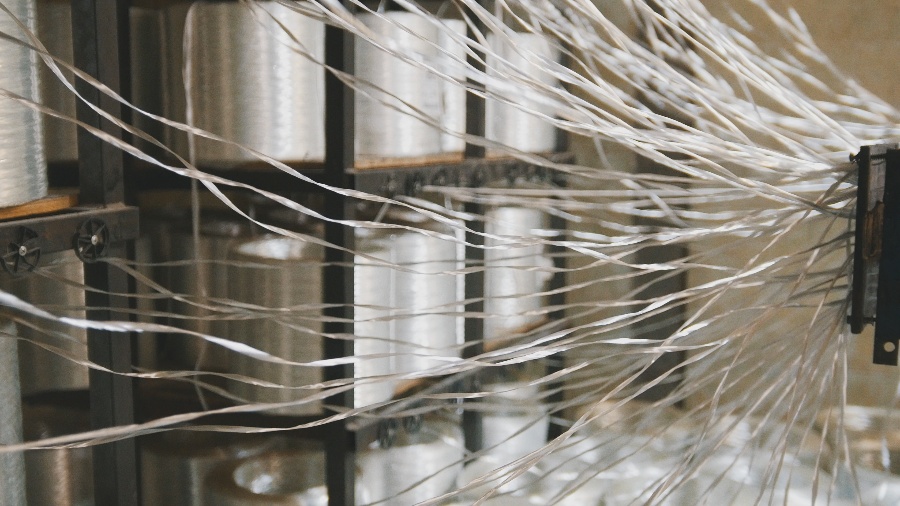
Fiberglass is growing in popularity as an alternative to traditional metals for awning poles due to a number of favorable properties:
Strength & Stiffness
Properly formulated fiberglass composites demonstrate excellent tensile strength comparable to steel, along with good column and beam stiffness for awning pole applications. Weight-for-weight, fiberglass can support greater loads with less deflection.
Corrosion Resistance
Fiberglass has outstanding corrosion resistance that far exceeds metals, maintaining its strength and appearance over decades of weather exposure without requiring painting or other protective coatings that can degrade over time.
UV/Weathering Resistance
In addition to its corrosion resistance, fiberglass exhibits minimal material degradation or embrittlement when exposed to sunlight, heat, cold, or water for years. It retains the engineering properties of its resin matrix.
Light Weight
Fiberglass awning poles are lighter than metal alternatives, easing installation and reducing weight-driven design demands on anchors and hardware. The strength-to-weight ratio exceeds that of aluminum.
Electrical & Thermal Insulation
The epoxy polymer matrix of fiberglass poles provides excellent electrical and thermal insulation, enhancing safety and energy efficiency. Metallic poles can conduct heat/cold, or electricity.
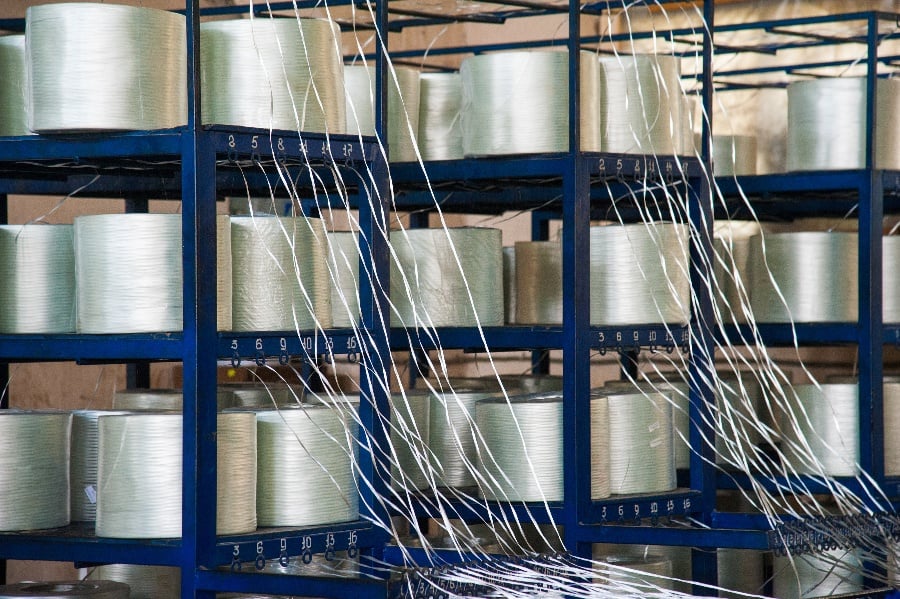
With ongoing advances in fiberglass production methods and formulations, these composite poles represent an appealing option for permanent awning installations that demand maintenance-free durability. Specifiers should confirm specifications, including the fiber architecture, resin type, and fiber content that influence the end product’s performance.