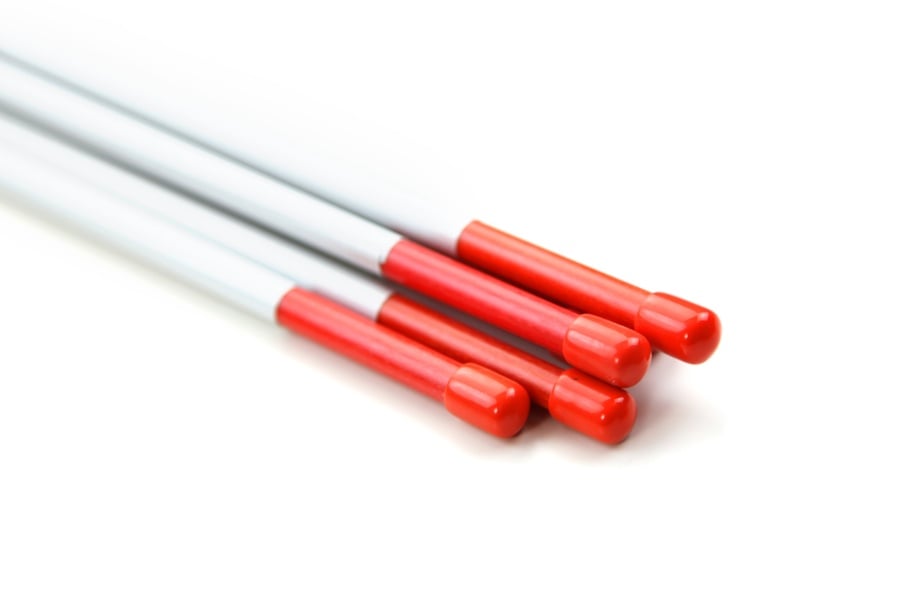
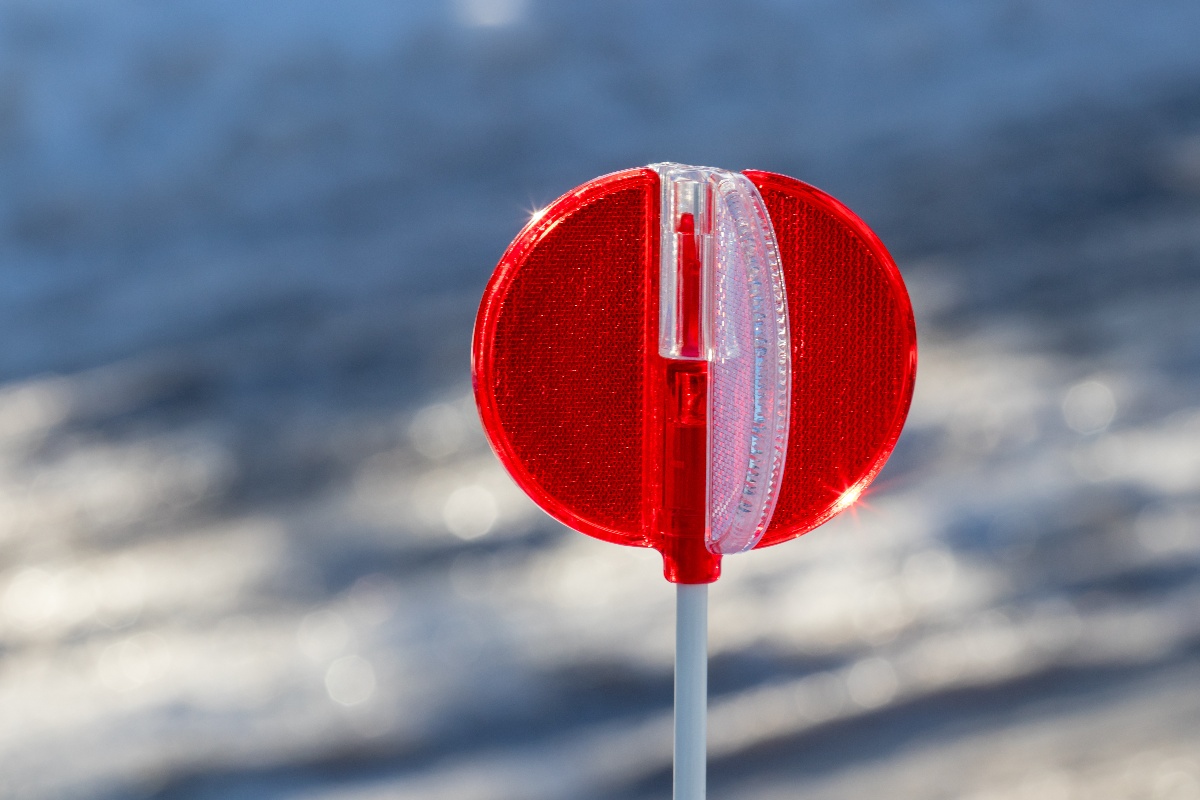
Driveway markers serve an important purpose–to clearly identify the location of a driveway entrance to prevent unwary vehicles from accidentally pulling in. Proper driveway delineation and visibility are critical safety and liability issues for homeowners. These markers also help maintain driveways by preventing damage to the surrounding landscape by indicating the limits of the drivable area.
From a safety perspective, driveway markers are indispensable in adverse weather conditions. In areas prone to heavy snowfall, for instance, they mark the outlines of driveways, aiding snow removal and preventing vehicles from veering off course.
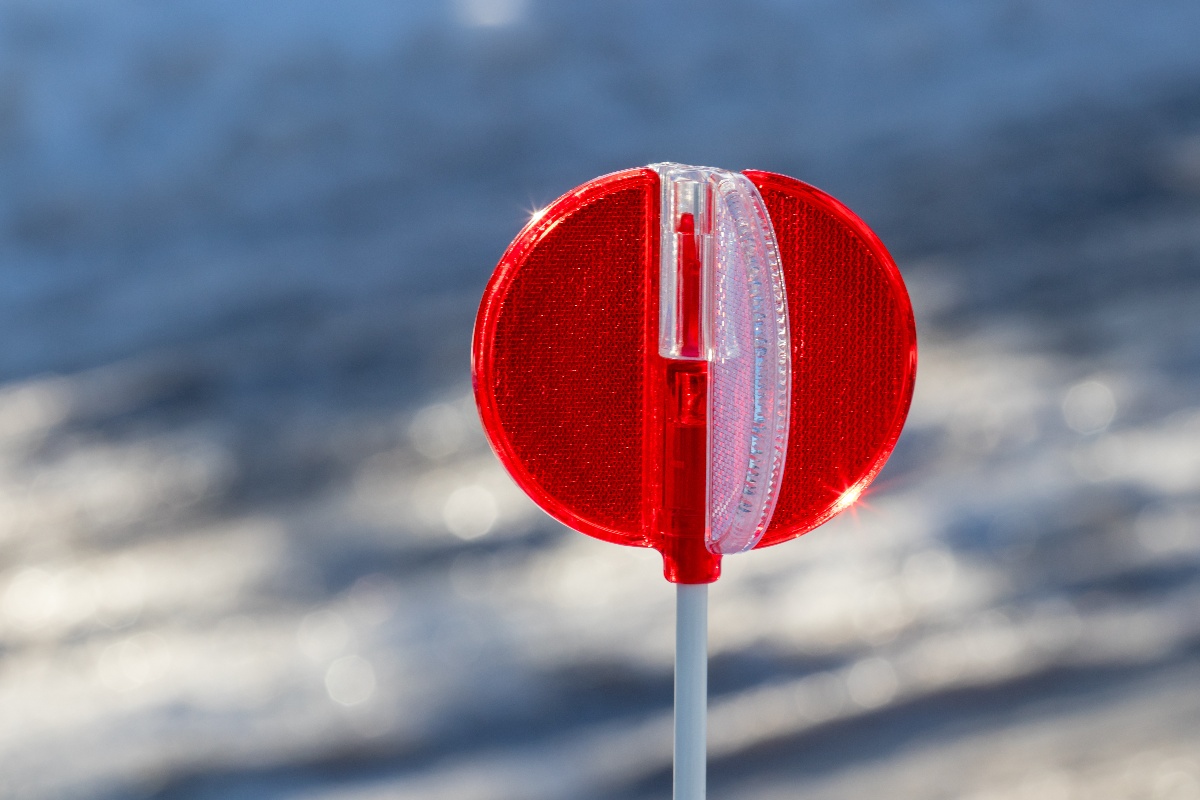
In rural or poorly illuminated areas, reflective driveway markers significantly improve nighttime safety. They catch the headlights of vehicles, providing a luminous guide through dark and potentially hazardous routes.

By reviewing available materials, designs, and engineering innovations in driveway markers, the most effective options can be selected to promote safety and protect property. This article provides a comparative analysis and recommendations based on different conditions and needs.
Design Considerations for Modern Driveway Markers
Today's driveway markers offer a range of aesthetic shapes, styles, and colors to suit homeowner preferences. However, aesthetics should not override functionality–driver and pedestrian safety must be the first priority. Reflective elements should be prominent regardless of shape. Popular earth-tone colors tend to blend into landscapes. Brighter, high-contrast colors promote better visibility.
Durability is also essential for long-term cost effectiveness. UV-resistant plastics, well-sealed electronics, and reinforced mounting designs help maximize marker lifespan. Cold weather performance also varies–some markers become brittle in low temperatures while others retain flexibility. Snow plowing takes a toll, so heavier base materials and replaceable components are preferable.
Reflectivity and visibility are the primary functions of any driveway marker. Optimal reflective coatings and technologies, such as retroreflectors, increase nighttime visibility compared with non-reflective markers. Also consider size, height/elevation, positioning, ambient lighting, redundancy in marking driveways to maximize visibility from all approach angles.
Ease of installation and maintenance should also factor into the design. Adhesives, spikes, and ground stakes enable DIY installation. Permanent foundations, such as poured concrete, increase longevity but require professional installation. Modular markers allow customization and replacement of damaged sections. Understanding expected maintenance effort affects the return on investment.
Comparing Driveway Markers
When selecting the optimal driveway marker, how different materials withstand the elements over time is a key consideration. Plastics offer flexibility and low cost, but durability varies widely. Polycarbonate blends with UV inhibitors fare better than basic PVC. Aluminum provides a major upgrade in strength and weather-resistance. Steel is even brawnier, with galvanization countering corrosion.
More permanent materials, such as fiberglass-reinforced composites and fired ceramics, offer the longest service life but come with higher initial costs. For northern climates, softer plastics become brittle once temperatures drop below -10°F. Flexible polyethylene withstands winter plowing better. Fiberglass, steel, and aluminum have the highest snow plow rating.
Several innovations are promising for improving driveway marker performance. Self-contained solar cells that charge small onboard batteries can now power bright LED lamps on markers for superior nighttime visibility. Radio-frequency identification tags embedded in markers could enable future autonomous vehicles to precisely locate driveways. This technology remains conceptual but shows promising possibilities.
Fiberglass: An Optimal Material for Driveway Markers
As a material for driveway markers, pultruded fiberglass offers unparalleled durability and customization potential at affordable pricing. The pultrusion manufacturing process combines polyester resin with fiberglass reinforcement to produce robust stakes that are up to 70% lighter than steel alternatives.
Compared to wood, plastic, or metal markers, fiberglass driveway stakes shine for their all-weather resilience. Properly engineered composite matrices are impervious to moisture, UV radiation, temperature fluctuations, and chemical corrosion. Once installed, the elimination of rotting, warping, rusting, peeling, or cracking means minimal maintenance for more than 15 years of reliable marking and reflectivity.
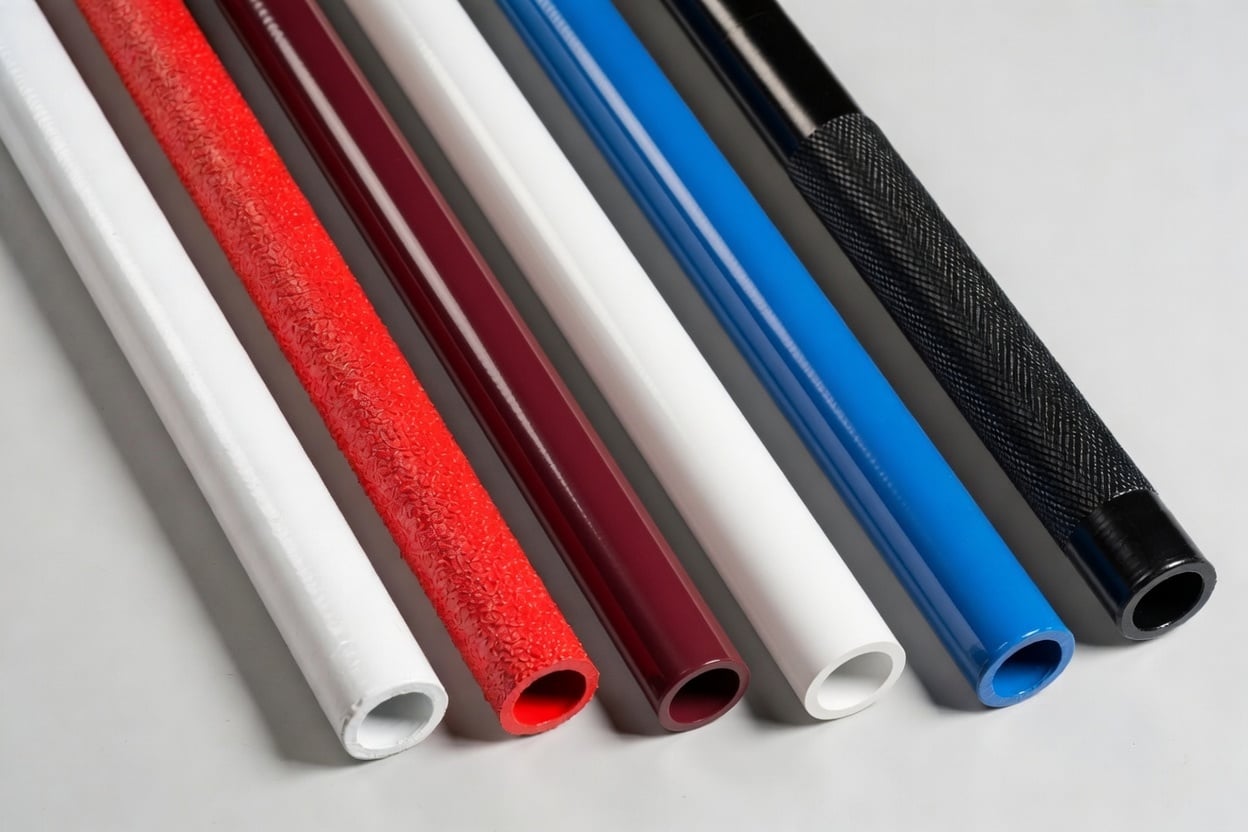
Fiberglass enables the fabrication of customized marker designs to meet project requirements. Colors, shapes, sizing, textures and functional coatings like reflectivity beads can be molded right in during manufacturing. The ability to create markers with optimal visibility and aesthetics for a property avoids secondary painting/treatment costs down the road. Plus, lightweight fiberglass stakes reduce shipping costs and simplify carrying and installation for homeowners or landscapers.
As communities and businesses upgrade infrastructure elements such as road signs, fence posts, and utility equipment to sustainable, long-lasting fiberglass, adopting fiberglass for driveway markers is a logical next step. Their durability and customization make them well-suited to high-visibility applications where consistency, low maintenance, and precision marking are vital over the long term. Professional landscapers and architects planning long-lasting outdoor installations should evaluate fiberglass markers as a superior material.
Safety and liability risks require permanent visual markings to delineate private driveways. When selecting driveway markers, the hierarchy of critical factors starts with reflectivity and visibility, followed by structural durability against all weather elements and impacts.
While initial costs differ, the longest-lasting materials, such as fiberglass composites, are most cost-effective over 10- to 15-year lifespans. Professional installers should educate residential and commercial clients to make informed, data-driven investments that protect property and lives with superior-engineered driveway markers.