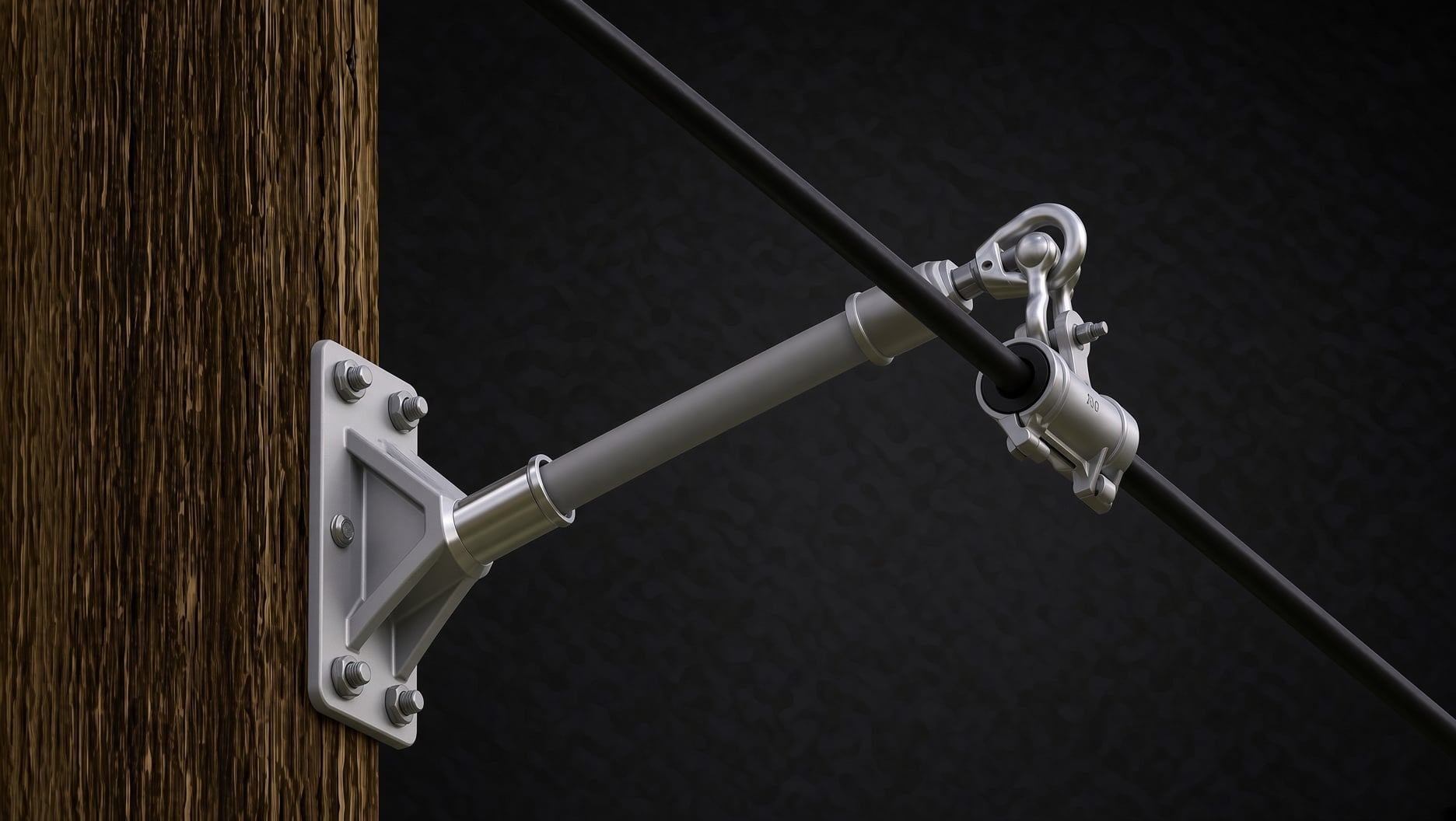
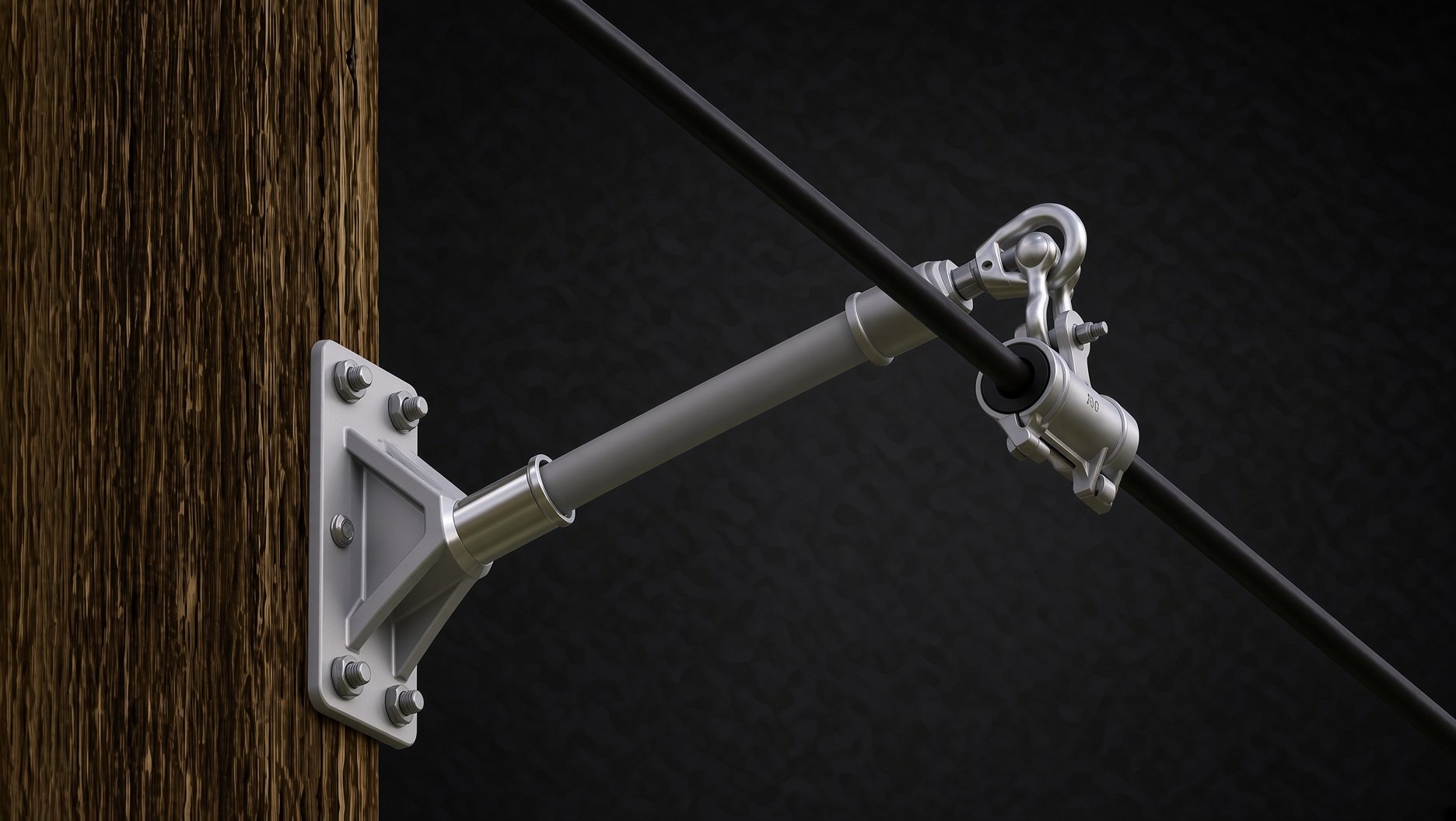
A fiberglass rod in a conductor assembly should deliver decades of reliable service. Yet far too often, these components develop cracks long before their expected lifespan ends. When a rod fails in the field, you face more than a replacement cost. You deal with unplanned downtime, safety concerns, and questions about every similar component still in service.
This article explains the primary causes of fiberglass rod cracking in conductor assemblies, from mechanical stress and environmental exposure to resin system selection and manufacturing quality factors. Understanding these failure mechanisms helps you specify components that perform reliably under real-world conditions.

Key Takeaways: Why Fiberglass Rods Crack in Conductor Assemblies
- Mechanical overload and cyclic fatigue cause fiberglass rods to crack when stress concentrations exceed the material's design capacity over time.
- Environmental factors including UV radiation, moisture infiltration, and temperature swings accelerate resin degradation and fiber-matrix interface breakdown.
- Resin system selection directly determines how well a fiberglass rod resists chemical attack, hydrolysis, and stress corrosion cracking.
- Manufacturing defects such as voids, improper fiber wet-out, and inconsistent curing create weak points where cracks initiate under load.
- Tencom engineers custom pultruded fiberglass rods with tailored resin systems and quality controls to prevent premature cracking in conductor applications.
What Causes Mechanical Cracking in Fiberglass Conductor Rods?
Mechanical cracking occurs when stress on a fiberglass rod exceeds the material's capacity to resist deformation. This happens through sudden overload, sustained stress beyond design limits, or accumulated damage from repeated cyclic loading. Each mechanism produces distinct crack patterns that reveal the underlying cause.
Cyclic fatigue develops when loads repeatedly stress the composite below its ultimate strength. According to IMR Test Labs research on composite failure mechanisms, repeated support of extreme weights causes fibers to tear over time. The damage accumulates invisibly until cracks propagate to critical size.
Stress concentrations amplify local loads at geometric transitions, holes, and attachment points. A conductor rod may handle its rated tension across smooth sections while experiencing two or three times that stress where fittings attach. These high-stress zones become the starting points for fatigue cracks.
How Does Environmental Exposure Lead to FRP Rod Failure?
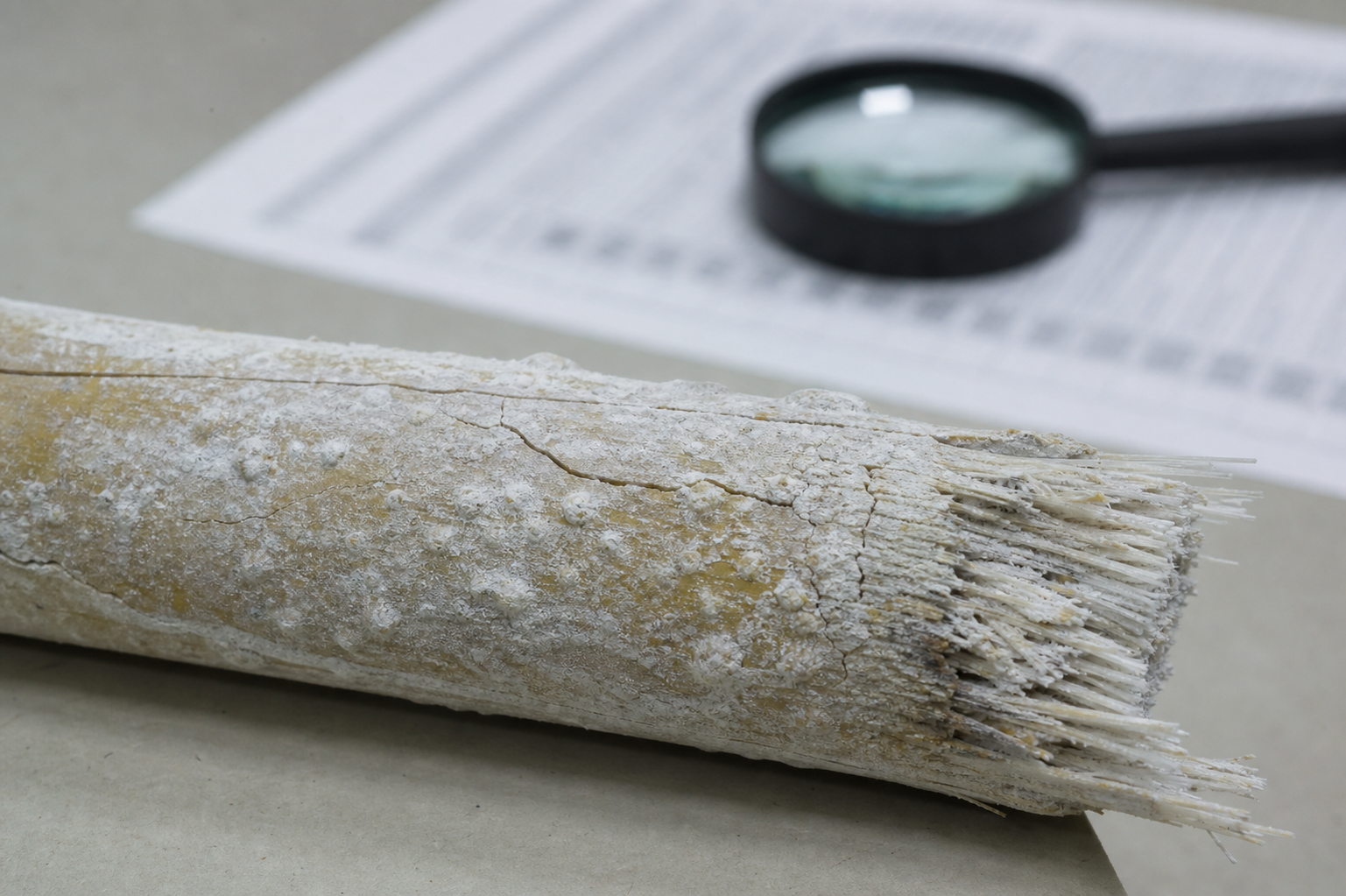
Outdoor environments attack fiberglass composites through multiple pathways. UV radiation breaks down polymer chains in the resin matrix, creating surface chalking and exposing reinforcement fibers. Moisture penetrates through microscopic cracks and voids, attacking the fiber-matrix interface where adhesion may be weakest.
Temperature cycling generates internal stresses as glass fibers and polymer resin expand at different rates. In cold climates, water trapped in voids can freeze and expand, forcing existing cracks open and creating new damage pathways. These thermal stresses compound mechanical loads, accelerating crack growth.
Chemical exposure in industrial and utility environments adds another degradation factor. Acidic or alkaline conditions attack both the resin barrier and the glass fibers themselves. The combination of chemical exposure with sustained mechanical loads creates conditions where cracks initiate at stress levels far below the material's original capacity.
Why Does Stress Corrosion Cracking Affect Conductor Assemblies?
Stress corrosion cracking represents one of the most destructive failure modes in pultruded fiberglass rods. This mechanism requires three simultaneous conditions: sustained tensile load, moisture or chemical exposure, and susceptible glass fibers. When all three factors combine, fibers degrade progressively from within the composite structure.
Water molecules penetrate the resin through cut ends, surface scratches, and manufacturing voids. Once inside, moisture attacks silane coupling agents that bond glass fibers to the polymer matrix. This hydrolysis process weakens the interface, reducing the composite's ability to transfer loads effectively between fibers.
The dangerous aspect of stress corrosion cracking is its silent progression. Damage accumulates inside the composite while the surface appears intact. By the time visible cracks appear, significant internal degradation may already have occurred. Regular inspection of high-stress areas and potential moisture entry points helps catch this failure mode early.
How Does Resin Selection Affect Fiberglass Rod Durability?
Resin chemistry determines how a fiberglass rod responds to environmental and mechanical challenges. Polyester, vinyl ester, and epoxy systems each offer different balances of strength, chemical resistance, and cost. Selecting the wrong resin for your application conditions creates a built-in vulnerability.
Vinyl ester resins absorb significantly less water than standard polyester formulations. Their molecular structure features fewer reactive sites where hydrolysis can break chemical bonds. For conductor rods exposed to constant moisture or chemical environments, vinyl ester typically extends service life substantially.
High-temperature applications demand resin systems that maintain mechanical properties under sustained heat. Standard polyester may soften or degrade at temperatures that vinyl ester or epoxy resins handle without issue. Tencom works with custom resin formulations to match material properties to specific operating environments.
What Manufacturing Defects Cause Premature Rod Cracking?
Manufacturing quality directly affects how a fiberglass rod performs under load. Voids, dry spots, and improper fiber wet-out create stress concentrations where cracks initiate. These defects may not affect initial strength but become failure points when environmental exposure compounds their effect.
Improper curing leaves the resin matrix incompletely cross-linked. The resulting polymer lacks full strength and chemical resistance, making it vulnerable to environmental attack. Temperature control and dwell time during the pultrusion process determine whether the finished rod achieves its design properties.
Fiber orientation and tension during manufacturing affect load distribution within the composite. Inconsistent fiber placement creates regions where some fibers carry more than their share of applied loads. These overloaded fibers fail first, transferring additional stress to neighboring fibers and propagating damage through the rod.
How Process Control Prevents Manufacturing-Induced Failures
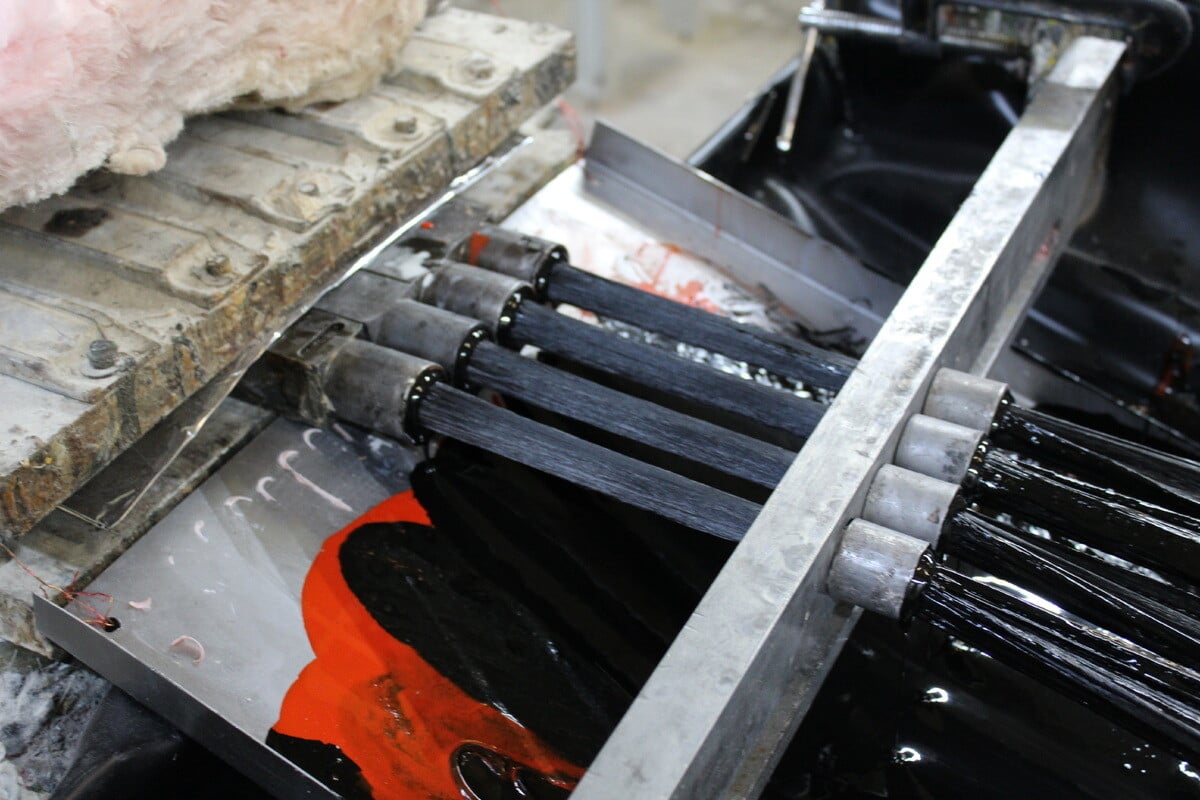
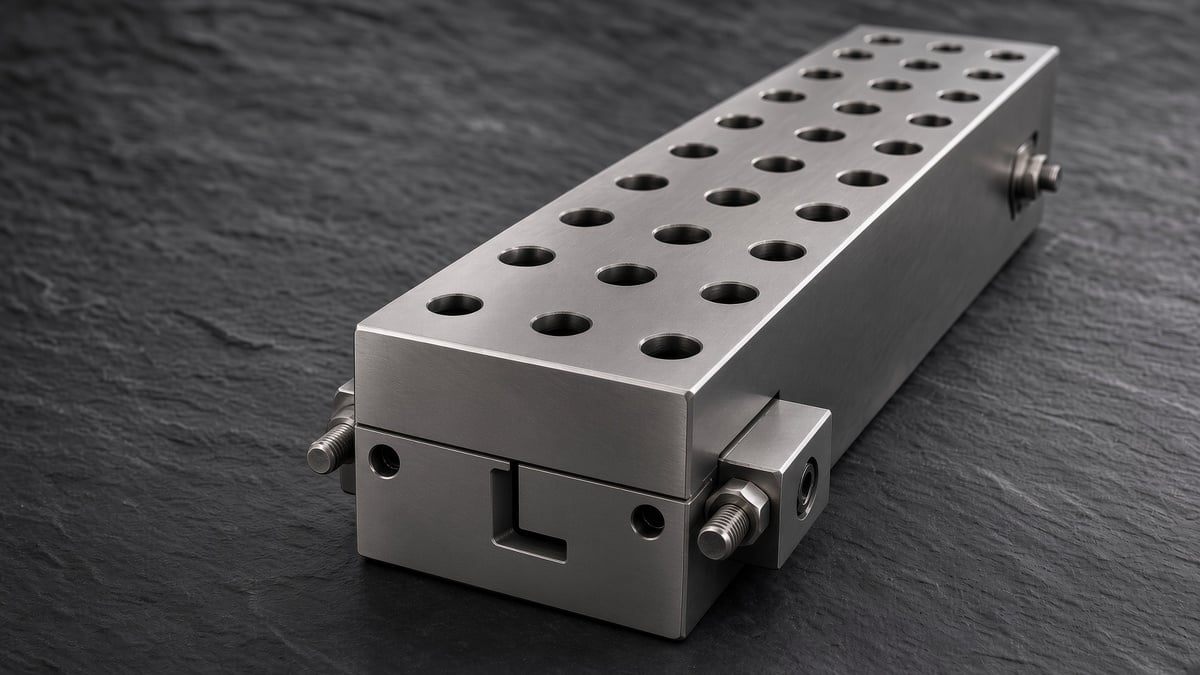
Consistent pultrusion parameters produce consistent material properties. Tencom's approach to manufacturing quality includes monitoring resin bath temperature, pull speed, and die temperature throughout production runs. Variations in any parameter can introduce defects that compromise long-term performance.
In-process inspection catches potential issues before they reach the field. Visual examination, dimensional verification, and mechanical testing on sample sections confirm that production meets specifications. When problems appear, immediate parameter adjustment prevents entire batches of defective material.
How Do Fiber Architecture and Load Cases Interact?
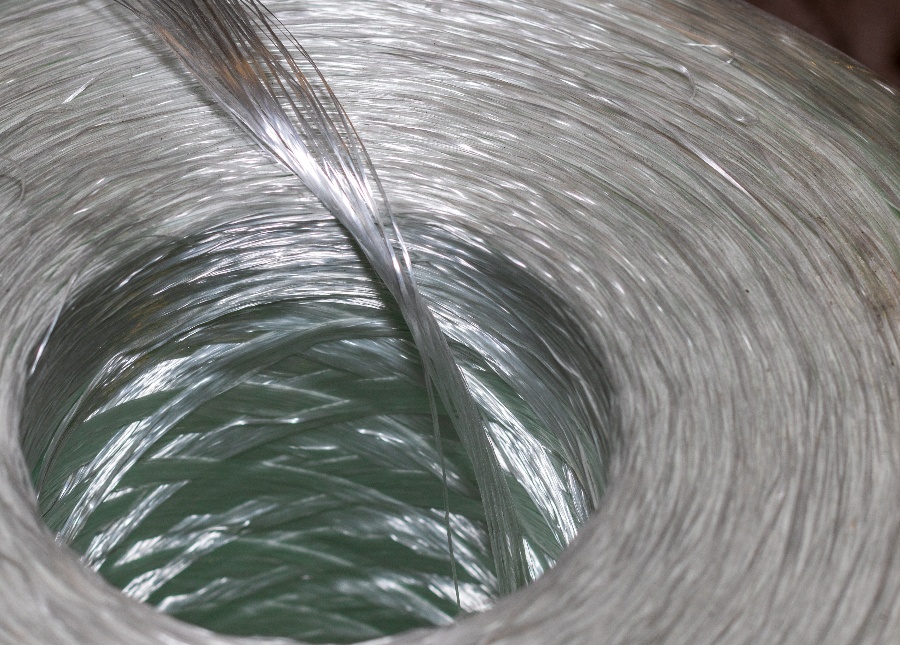
Pultruded fiberglass rods derive their strength from continuous glass fibers aligned along the pulling direction. This unidirectional fiber architecture creates exceptional tensile strength parallel to the fibers but leaves the composite vulnerable to off-axis loads and interlaminar shear.
Conductor assemblies often impose complex load combinations. Tension, bending, and torsion may act simultaneously, depending on installation geometry and service conditions. A rod designed purely for axial tension may crack when subjected to bending moments or twisting forces the original specification overlooked.
End fittings and attachment points concentrate loads in ways the rod's main section never experiences. The transition zone between the continuous rod and the termination hardware becomes a critical design area. Proper fitting design distributes loads gradually rather than creating abrupt stress risers.
What Role Does Installation Play in Rod Cracking?
Field handling and installation practices affect long-term reliability. Damage during transport, improper storage conditions, or careless handling can introduce defects that manifest as cracks months or years later. A small surface scratch becomes a moisture entry point that enables stress corrosion cracking under service loads.
Over-tightening fasteners crushes the composite locally, creating stress concentrations and potential crack initiation sites. Following specified torque values and using appropriate washers or gaskets protects the rod surface at connection points where loads concentrate.
Cutting and drilling in the field exposes the fiber-matrix interface to environmental attack. Sealing cut ends and drilled holes with appropriate coatings restores the protective barrier established by the original surface treatment. Tencom's secondary operations include precision cutting and edge treatment to minimize field fabrication requirements.
How Can You Identify Early Signs of Rod Cracking?
Visual inspection catches many warning signs before structural failure occurs. Surface chalking appears as a powdery residue when UV radiation breaks down the outer resin layer. While chalking itself indicates surface degradation, it also signals that deeper moisture infiltration may follow.
Fiber bloom refers to the fuzzy appearance that develops when glass fibers become exposed at the surface. This condition means the resin barrier has eroded enough to leave reinforcement directly vulnerable to environmental attack. Any exposed fibers become targets for moisture and chemical degradation.
Hairline cracks at high-stress locations warrant immediate attention. Cracks that follow fiber directions or radiate from attachment points suggest stress-related damage rather than random surface defects. Document the location and any progression of visible cracks to distinguish between stable damage and active crack growth.
What Specifications Help Prevent Conductor Rod Cracking?
Accurate load characterization underpins reliable specifications. Beyond static loads, consider dynamic forces, installation stresses, and environmental factors that affect the conductor assembly throughout its service life. Conservative safety factors account for load variations and material degradation over time.
Specifying appropriate resin systems for your environment prevents chemical incompatibility issues. Understand the chemicals, temperatures, and moisture conditions the rod will face. When conditions vary seasonally or include occasional exposure spikes, specify materials that handle worst-case scenarios.
Quality requirements in procurement specifications ensure manufacturing consistency. Specify dimensional tolerances, minimum mechanical properties, and inspection criteria that verify delivered products meet design requirements. Tencom's engineering team helps translate application requirements into specifications for custom fiberglass rods that perform reliably in demanding conductor applications.
In Conclusion: Preventing Fiberglass Rod Cracking in Conductor Assemblies
Fiberglass rod cracking in conductor assemblies results from the interaction of mechanical loads, environmental exposure, material selection, and manufacturing quality. Understanding how these factors combine helps you specify, install, and maintain components that deliver their full design service life.
If you've been facing premature rod failures or specifying components for challenging conductor applications, it's worth examining the full picture of factors that affect long-term performance. Request a quote or start a conversation with Tencom's engineering team to discuss how custom pultruded fiberglass rods can address your specific mechanical and environmental requirements.
FAQs about Why Fiberglass Rods Crack in Conductor Assemblies
What is the primary cause of fiberglass rod cracking in conductor assemblies?
The primary cause is the combination of sustained mechanical stress with environmental degradation factors. Moisture infiltration, UV exposure, and chemical attack weaken the resin matrix and fiber-matrix interface over time. When this degradation combines with cyclic or sustained loads, cracks initiate at stress concentration points and propagate until failure occurs.
How does stress corrosion cracking differ from mechanical fatigue?
Stress corrosion cracking requires moisture or chemicals, along with sustained loads, to attack glass fibers directly. Mechanical fatigue damages the material through repeated cyclic loading alone. Stress corrosion cracking produces failures at lower stress levels than pure fatigue because the environmental attack weakens fibers from within. Tencom engineers fiberglass rods with resin barriers that resist both mechanisms.
Which resin system resists cracking in outdoor conductor applications?
Vinyl ester resins offer superior resistance to moisture and chemicals compared to standard polyester. They absorb less water and feature fewer sites where hydrolysis can break chemical bonds. For outdoor conductor applications with chemical exposure or high humidity, vinyl ester typically delivers longer service life before cracking occurs.
Can manufacturing defects cause fiberglass rods to crack prematurely?
Yes. Voids, dry spots, and improper curing create weak points where cracks initiate under service loads. These defects may not affect initial strength but become failure sites when environmental exposure compounds their effect. Tencom's quality control processes catch manufacturing variations before they reach the field.
How do you prevent fiberglass rod cracking during installation?
Handle rods carefully to avoid surface damage that creates moisture entry points. Follow torque specifications to prevent crushing at fastener locations. Seal all cut ends and drilled holes to restore the protective resin barrier. Proper installation practices extend the working life of even well-designed fiberglass components.