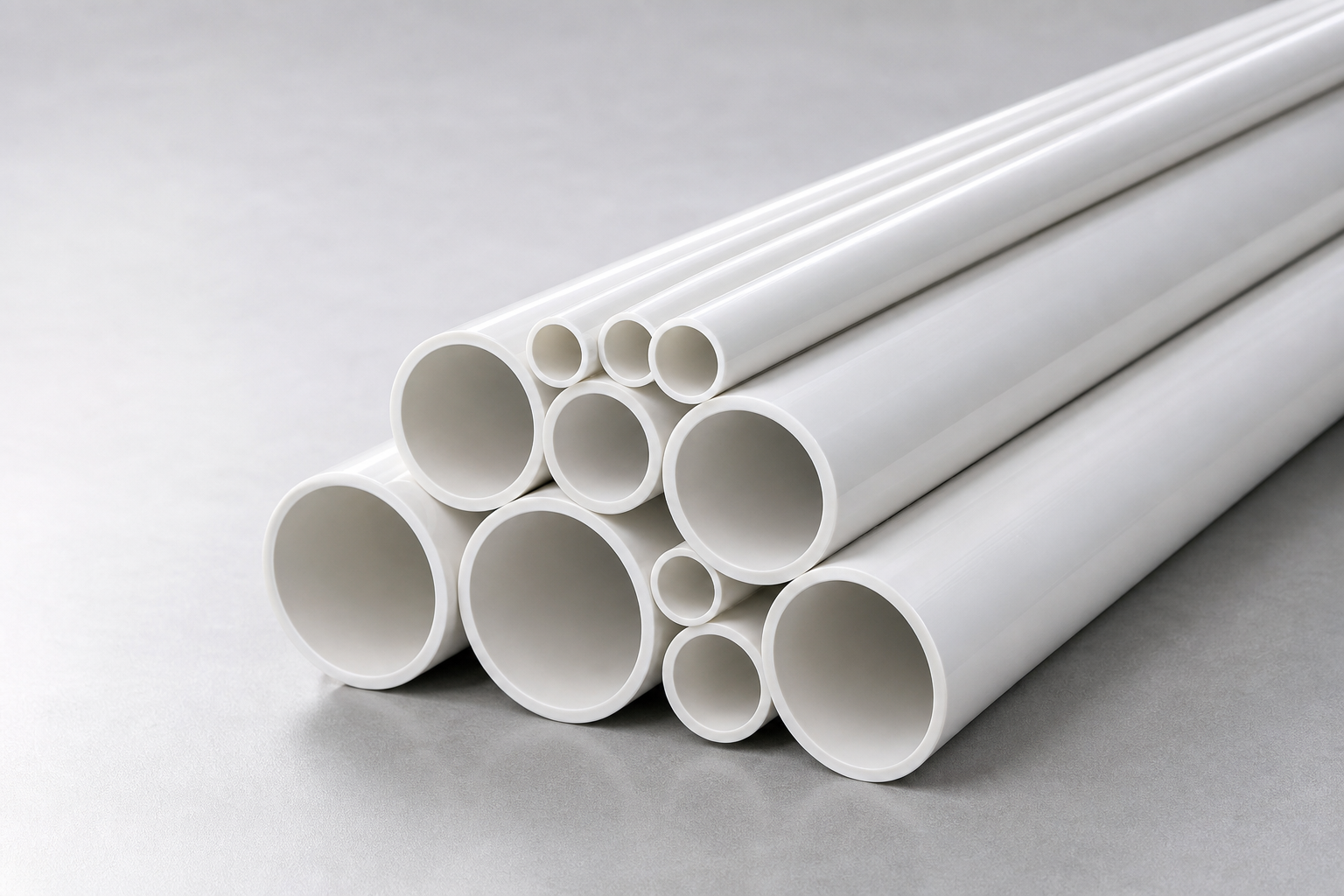
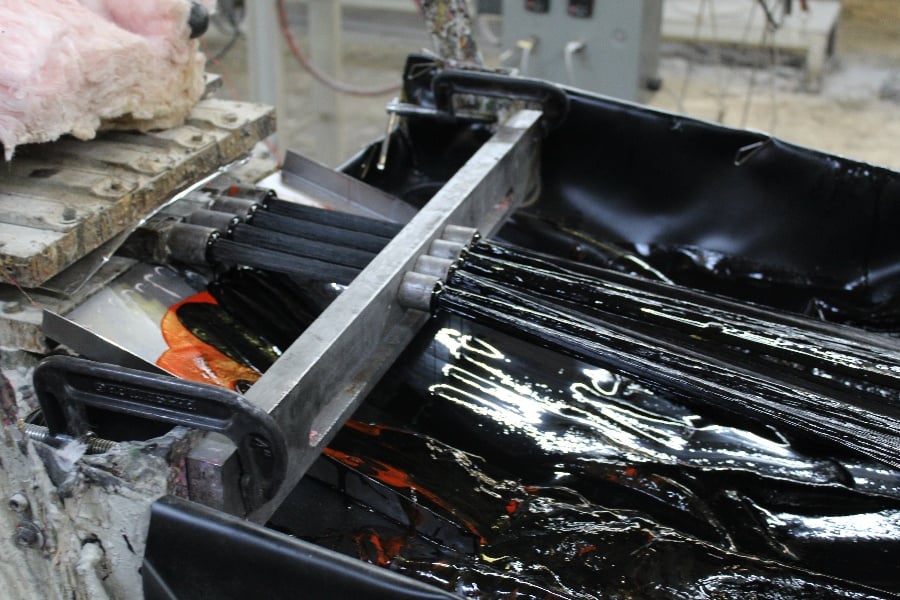
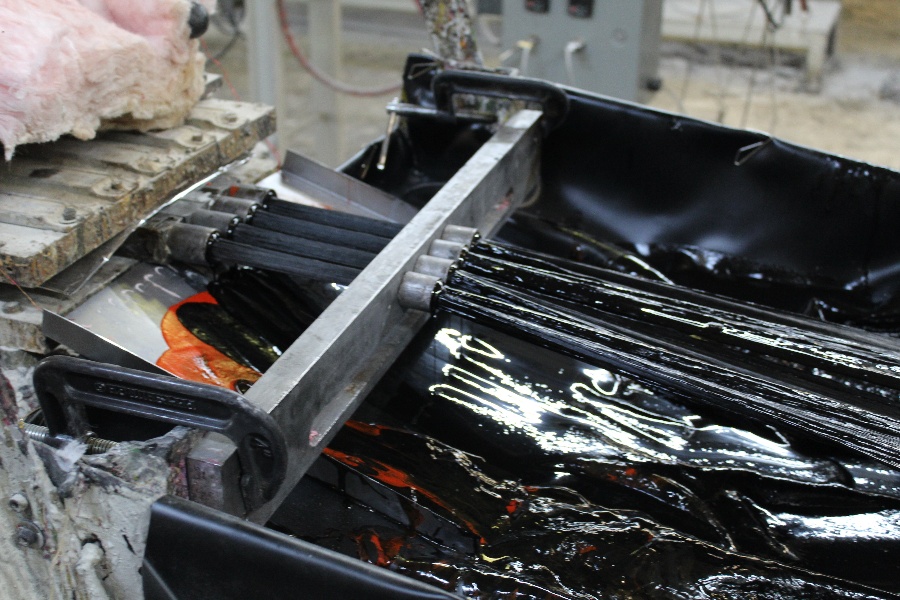
Custom pultrusions offer significant advantages for entrepreneurs and engineers seeking high-performance, fiber-reinforced polymer (FRP) components. When properly implemented through rigorous, quality-assured engineering and processing, these continuous-profile composites provide lightweight construction, exceptional durability, and tailored properties that often outperform traditional materials such as metals or unreinforced plastics.To achieve optimal results, avoid assumptions during the design phase, as they can lead to unbalanced or inefficient concepts. Providing comprehensive information to your engineer at the outset—including expected environmental exposure, mechanical loads, chemical contact, temperature ranges, and desired service life—enables more precise material selection and profile optimization.
Key Benefits of Custom Pultrusions
Custom pultrusions deliver several inherent advantages:
- High strength-to-weight ratio, enabling lighter structures without sacrificing performance.
- Superior corrosion resistance, ideal for harsh environments.
- Dimensional stability and low maintenance requirements.
- Electrical non-conductivity and thermal insulation in appropriate formulations.
- Cost-effective production for medium- to high-volume runs due to the continuous, automated nature of the process.
These benefits make custom pultrusions suitable for applications in construction (e.g., structural beams, platforms), industrial equipment, transportation, marine, and chemical processing.
Material Customization: Reinforcements and Resin Selection
Custom pultrusions allow precise control over material composition. Reinforcements—such as continuous glass rovings, mats, woven or stitched fabrics, or carbon fibers—are strategically placed and combined in the composite to adjust critical properties, including weight, tensile strength, stiffness, shear resistance, and corrosion protection.
An experienced engineer will evaluate your current materials or application needs to recommend the optimal combination, maximizing performance while achieving a favorable value-to-cost ratio.
The choice of resin is driven by application-specific requirements, particularly chemical and environmental exposures:
- Polyester resins suit relatively mild environments with limited caustic chemicals, offering good general-purpose performance and cost efficiency.
- Vinyl ester resins provide enhanced chemical resistance for harsher conditions, such as exposure to acids, alkalis, or solvents.
- Epoxy or polyurethane resins may be selected for superior strength, impact resistance, or specialized needs (e.g., high stiffness with carbon reinforcements).
- Additional additives, such as UV inhibitors, flame retardants, pigments, or fillers, can be incorporated. A UV inhibitor is recommended for profiles expected to endure prolonged outdoor exposure or intense indoor sunlight to prevent degradation.
Surface veils or coatings can further improve finish quality, erosion resistance, or aesthetics.
Design and Specification Best Practices
For effective collaboration, supply a fully dimensioned part drawing that specifies tolerances, critical features, and their locations. Clearly indicate required properties (e.g., flexural strength, modulus, impact resistance) and the part's intended position in the assembly.
Many manufacturers offer custom pultrusion checklists to capture essential details early in the process. Close cooperation with the pultrusion provider—often including finite element analysis (FEA), CAD detailing, and prototyping—ensures the design is optimized for manufacturability and performance.
Note that pultrusions are limited to constant or near-constant cross-sections (though advanced variants allow some curvature). Tolerances are generally good but may vary based on profile complexity, with typical standards defined in industry references such as ASTM specifications.
Testing and Validation
To ensure reliability, conduct thorough testing on prototypes or production samples. Evaluate key characteristics such as strength (tensile, flexural, compressive), durability, flexibility, impact resistance, and environmental performance—particularly for custom-specified properties. This step verifies that the final part meets expectations under real-world conditions.
Available Configurations
Custom fiberglass pultrusions support diverse configurations. By varying resin types (polyester, vinyl ester, epoxy, phenolic), reinforcement combinations, fiber orientations, and additives, manufacturers can precisely tune physical properties, chemical resistance, UV stability, and fire performance. This versatility enables solutions tailored to demanding requirements, from structural profiles to specialized components.
In summary, successful custom pultrusions result from informed collaboration, detailed specifications, and strategic material choices. Partnering with an experienced provider streamlines the process, reduces risks, and delivers high-value, long-lasting components.