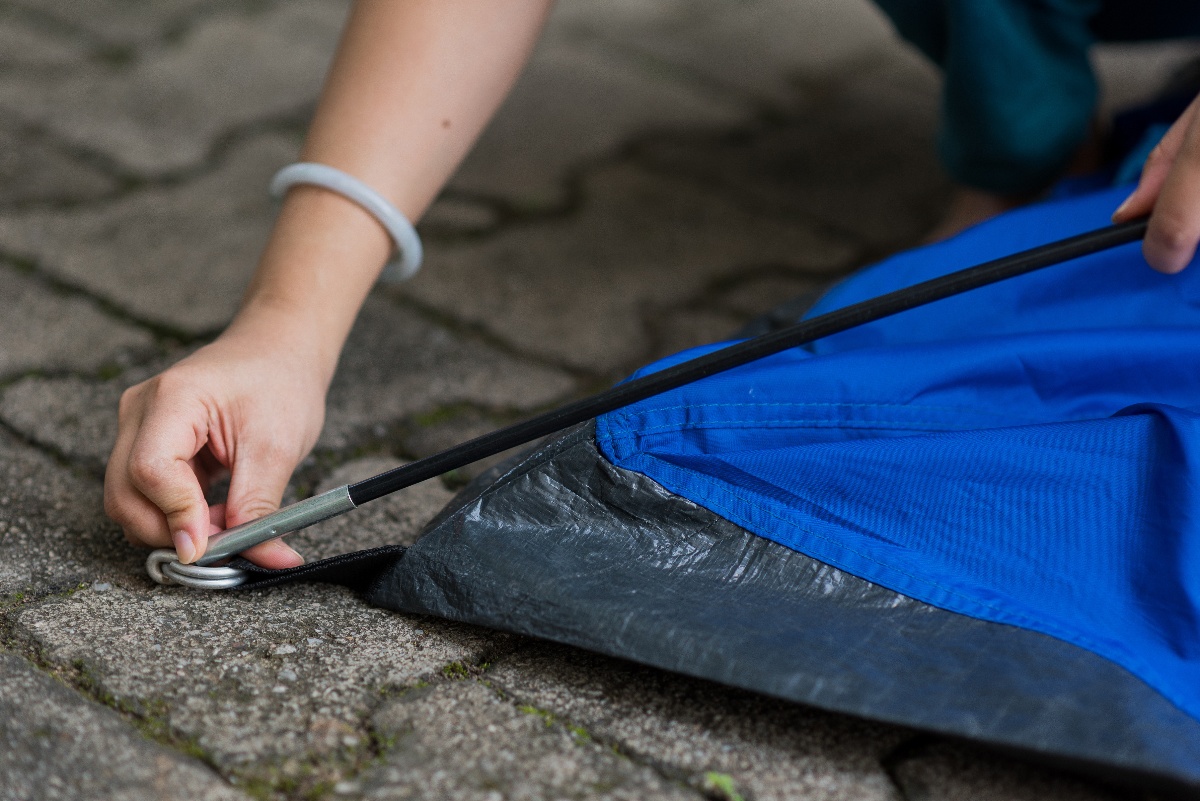
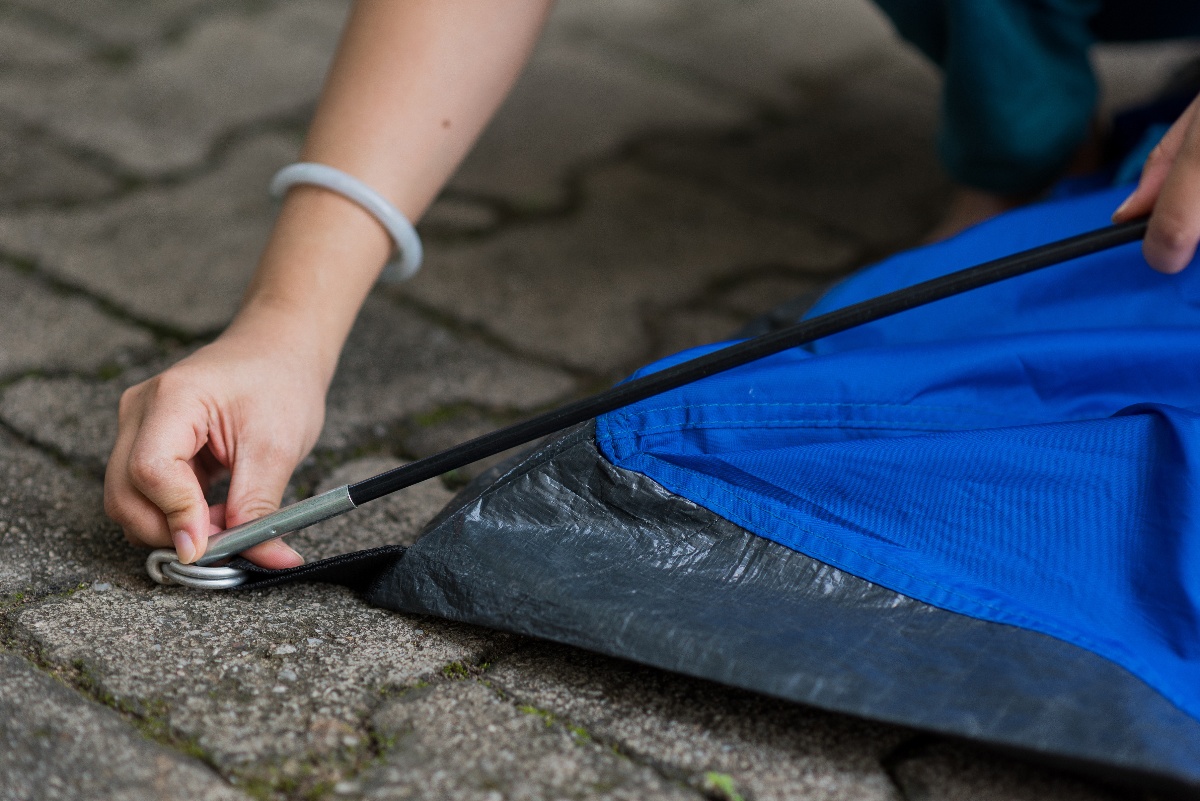
Tent poles are a critical component of tents and outdoor shelter structures. They play a vital role in supporting the tent fabric and maintaining the shelter's structural integrity. With the growing popularity of camping, backpacking, and other outdoor recreational activities, there is an increasing demand for reliable yet lightweight and portable camping equipment. This highlights the importance of engineering considerations in tent pole design to balance strength, stability, weight, packability, and ease of assembly.
Applying principles of mechanical engineering and materials science enables the creation of tent poles that can withstand snow, wind, and dynamic loads while remaining intuitive to set up. Selecting appropriate materials and structural profiles further enhances the load-bearing capacity and durability of tent poles.
Additionally, innovative collapsible and telescopic pole mechanisms facilitate convenient packing and transport. Optimizing these aspects through engineering is key to developing next-generation tent poles that combine robustness and packability for versatile outdoor use.
This article aims to provide an overview of the key tent pole design considerations from an engineering perspective.
Tent Pole Design Considerations
Tent poles need to balance a variety of performance factors and user needs. The optimal design priorities may vary depending on the intended application, such as backpacking, camping, or emergency shelters.
Structural Integrity
The structural design of tent poles focuses on ensuring sufficient load-bearing capacity and stability to withstand forces from wind, snow, and occupants. The pole configuration, diameter, thickness, and material composition determine the strength to withstand static and dynamic bending and compression loads.
Additionally, structural reinforcements and guy lines improve wind resistance by counteracting lateral forces. Snow load capacity also depends on the pole structure and requires adjusting the number of cross members and the angle of incline accordingly.
Weight and Packability
The portability of tents requires minimizing the tent pole weight while maintaining structural stability. Lightweight aluminum alloys and advanced composite materials, such as carbon fiber, reduce weight. The packed length of the tent poles also affects transport convenience.
Collapsible pole segments with shock cord connections optimize packability at the expense of assembly ease. In contrast, telescopic poles compromise packed size for quicker setup. The number and size of pole segments also require optimization to facilitate packing and unpacking.
Ease of Assembly
Quick and simple tent pitching improves the user experience. The joining of pole segments should be intuitive and tool-free. Built-in tension from shock cords or fast-action press-fit connections allows tool-less assembly.
However, ferule-and-pin mechanisms offer greater stability and durability, though they require mallets for interlocking. The ease of fixing damaged sections for on-field repairs should also be considered. Overall, balancing the simplicity of setup with structural integrity is vital.
Ideal Tent Pole Material Properties
Selecting appropriate materials is critical to achieving the targeted structural performance, durability, and reliability in tent pole design. Material properties directly influence the load-bearing capacity, stability, and environmental resistance.
High Strength-to-Weight Ratio
Seeking materials with high strength and low-density results in tent poles that can support substantial loads without adding excess weight. Advanced aluminum alloys and composites, such as carbon fiber, provide very high strength-to-weight ratios. The material must retain its integrity and avoid brittle fracture under bending, compression, and vibration stresses during use.
Stiffness and Flexibility
The tent pole material should have an optimal balance between stiffness and flexibility. High stiffness provides good stability and resistance to buckling loads such as wind. However, some flexibility allows poles to bend and return to their original shape without breaking under load, enhancing durability. Glass- or carbon-fiber-reinforced composites can be engineered to achieve targeted stiffness and flexural properties.
Fatigue Resistance
Good fatigue strength enables tent poles to endure repeated loading without failure. This helps poles withstand cyclic stresses from factors like wind gusts. Using tempered alloys and adding reinforcements at joints improves fatigue behavior. The material microstructure also influences fatigue crack initiation and propagation rates.
Corrosion Resistance
Since tent poles are employed extensively outdoors, they require adequate corrosion and weathering resistance. Anodized coatings on aluminum provide corrosion protection. Composites with polymer matrices also demonstrate excellent corrosion resistance. Stainless steel components may be required in certain sections prone to corrosion.
Thermal Stability
The material should retain adequate tent-pole properties, such as strength and stiffness, at both very high and very low temperatures expected during outdoor use. Advanced aluminum alloys, composites, and engineering plastics possess low coefficients of thermal expansion and stable material properties across a broad temperature range.
Environmental Friendliness
With growing environmental awareness, tent pole materials need to adopt green manufacturing processes with limited emissions. They should also be non-toxic, recyclable, and/or biodegradable at the end of life to minimize ecological impact. Selecting renewable, sustainably sourced materials is also beneficial.
Fiberglass as an Ideal Tent Pole Material
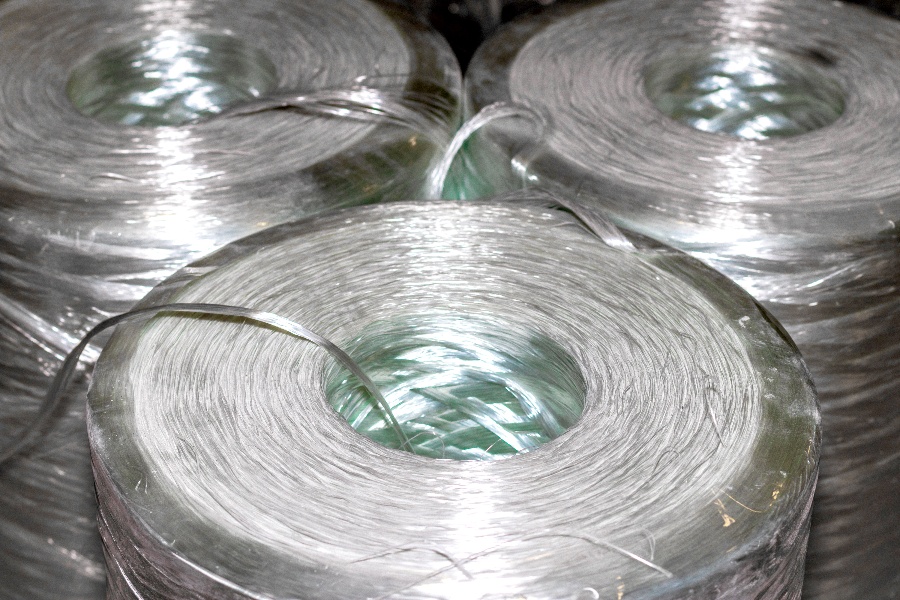
Fiberglass demonstrates advantageous properties that make it a popular choice for modern tent pole construction. Fiberglass has a high strength-to-weight ratio exceeding that of aluminum alloys. This enables the fabrication of lightweight yet sturdy tent poles that reliably withstand heavy snow and wind loads. Fiberglass also provides excellent fatigue strength and flexural properties.
The glass fiber reinforcement offers high rigidity and bend resistance. But the epoxy polymer matrix imparts some flexibility to absorb shocks and stresses. This balance of stiffness and elasticity helps fiberglass poles resist permanent deformation. Fiberglass also exhibits good corrosion fatigue and abrasion resistance, providing durability in harsh outdoor environments.
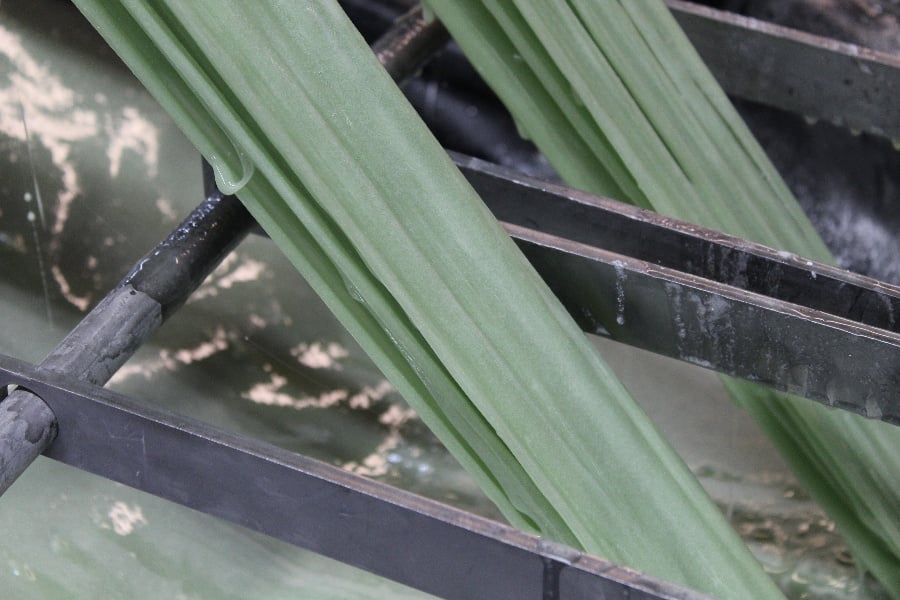
Moreover, fiberglass allows cost-effective manufacturing of poles in a range of diameters and segment configurations. The material can be formed into both cylindrical and tapered pole profiles optimized for specific tent types. Smooth surfaces with protective coatings improve moisture resistance and ease of repair. Fiberglass poles with shock-cord connectivity offer simple assembly and disassembly.
With high recyclability and the absence of toxic elements, fiberglass is also an eco-friendly choice. The material has excellent thermal stability at typical environmental temperatures. Easy field repairs of minor cracks or fractures also favor fiberglass. These well-rounded properties make fiberglass a versatile and reliable tent pole material.