.jpg)
.jpg?width=600&height=900&name=image%20(1).jpg)
Fiberglass C-channels, also known as pultruded fiber-reinforced polymer (FRP) C-channels or U-channels, represent a modern advancement in structural materials. These profiles feature a C-shaped cross-section and are engineered for applications requiring high performance under challenging conditions. Unlike traditional metal channels, fiberglass C-channels combine lightweight construction with exceptional durability, making them increasingly popular in industries such as construction, chemical processing, and infrastructure.

What Are Fiberglass C-Channels?
Fiberglass C-channels are composite structural shapes produced through the pultrusion process. Continuous glass fibers (such as roving, mats, or stitched fabrics) are impregnated with a thermosetting resin—typically polyester, vinyl ester, or epoxy—and pulled through a heated die to form a rigid, constant cross-section profile. The result is a C-shaped beam with parallel flanges and a connecting web, available in various dimensions to suit specific load-bearing requirements.
Standard sizes range from small profiles (e.g., 2 inches × 0.56 inches × 0.125 inches) to larger ones (e.g., 10 inches × 2 inches × 0.5 inches), with lengths commonly up to 20 feet or more. Custom configurations are readily available, allowing for tailored thicknesses, widths, and resin formulations.
Key Properties and Advantages
Fiberglass C-channels offer several superior characteristics compared to steel or aluminum equivalents:
- Lightweight Design: Typically 70-75% lighter than steel, reducing transportation costs, structural loads, and installation effort.
- Corrosion Resistance: Immune to rust, rot, and chemical degradation, ideal for exposure to acids, salts, moisture, or harsh weather.
- Electrical and Thermal Insulation: Non-conductive and low thermal conductivity enhance safety in electrical applications and minimize heat transfer.
- High Strength-to-Weight Ratio: Tensile strengths often exceed 300 MPa, providing robust performance without excessive mass.
- Low Maintenance and Longevity: Service life can exceed 50 years with minimal upkeep; no painting or galvanizing required.
- Non-Magnetic and RF Transparent: Suitable for sensitive environments, such as MRI facilities or radar installations.
These properties make fiberglass C-channels a cost-effective alternative in corrosive or weight-sensitive settings, often yielding lower lifecycle costs despite higher initial material expenses.
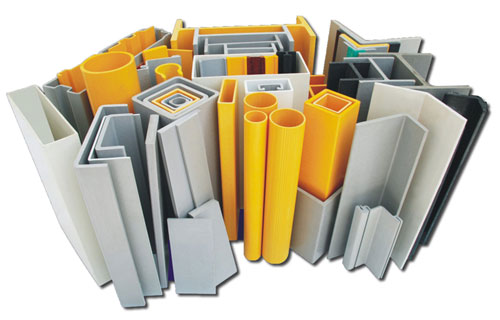
The pultrusion method ensures consistency and high quality. Reinforcements are drawn through a resin bath, preformed, and cured under controlled heat and tension. This continuous process enables efficient production of long, uniform profiles with embedded UV inhibitors or fire-retardant additives as needed. Quality control adheres to standards such as ASTM, ensuring dimensional accuracy and mechanical reliability.
Applications
Fiberglass C-channels excel in environments where traditional materials fail:
- Chemical plants and refineries for supports and frameworks.
- Water and wastewater treatment facilities.
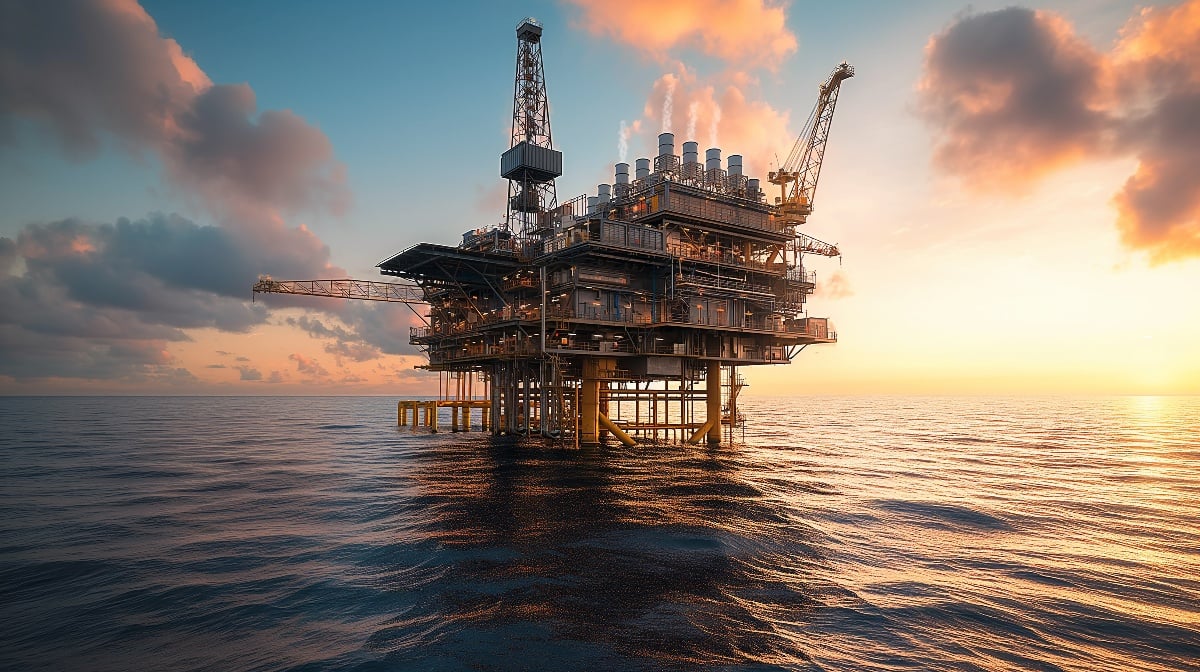
- Marine and offshore structures, including platforms and walkways.
- Electrical substations and utility poles for non-conductive framing.
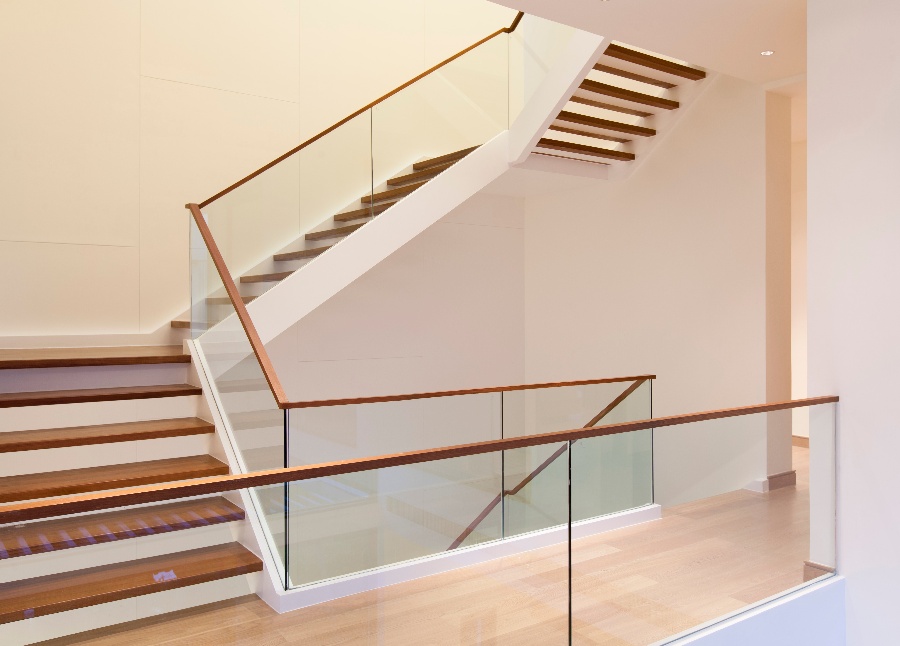
- Construction elements like ladder rails, stair stringers, roof supports, and pedestrian bridges.
- Renewable energy installations, such as solar panel frames or wind turbine components.
In these settings, their resistance to corrosion and lightweight nature significantly extend service life and reduce maintenance demands.
Comparison with Traditional Materials
| Property | Fiberglass C-Channel | Steel C-Channel | Aluminum C-Channel |
|---|---|---|---|
| Weight | 70-75% lighter than steel | Heavy | Lighter than steel |
| Corrosion Resistance | Excellent (immune to rust/chemicals) | Prone to rust | Good, but pits in harsh conditions |
| Electrical Conductivity | Non-conductive | Conductive | Conductive |
| Maintenance | Minimal | Requires coatings/painting | Moderate |
| Strength-to-Weight Ratio | Superior | High raw strength | Good |
| Lifespan in Harsh Environments | 50+ years | Limited without protection | Moderate |
While steel offers higher absolute strength for extreme loads, fiberglass outperforms in most corrosive or insulated applications.
Conclusion
Their combination of strength, lightness, and resistance properties positions them as a forward-thinking choice for engineers and designers.
As industries prioritize sustainability and reduced maintenance, the adoption of pultruded FRP profiles, including C-channels, is expected to grow. For project-specific recommendations, consulting with specialized manufacturers is advisable to ensure optimal selection and performance.