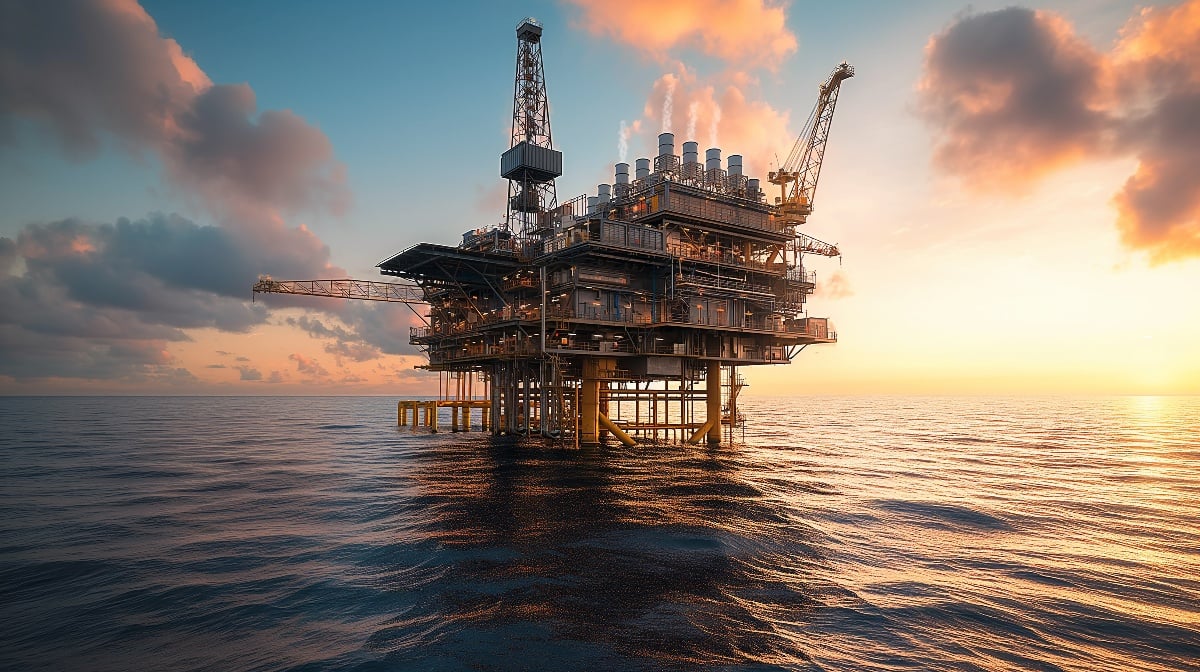
Topside girders play a critical role in supporting offshore oil and gas platforms. These large horizontal and vertical structural beams support decks, equipment modules, and living quarters above the waterline. Properly designed topside girders are essential for ensuring the overall safety and functionality of offshore platforms under harsh open-ocean conditions. Failure of these load-bearing components could have catastrophic consequences.
Offshore platforms face uniquely demanding conditions compared to structures on land. Platform topside girders must withstand dynamic wind loads, wave impacts, operating machinery vibrations, and potential accidental collisions. They are also exposed to corrosive saltwater environments and fluctuating temperatures, which can degrade materials over time. These environmental factors introduce complex design constraints.

This article provides an overview of key considerations for engineering viable topside girders.
Design Considerations for Topside Girders
The design of effective topside girders requires a comprehensive analysis of expected structural loads and environmental conditions throughout the planned service life.
Load Analysis
The load regime imposed on topside girders consists of static dead loads, predictable variable live loads, accidental loads, and special scenario loads. A thorough evaluation of potential peak loads and cyclic stress histories is required.
Static Loads
Dead loads comprise the self-weight of the steel structure as well as additional permanent equipment loads. The quantities, positions, and weights of process modules, living quarters, storage tanks, and other deck components must be accounted for. Live loads from movable objects, maintenance equipment, workers, and other temporary loads also require consideration based on realistic layouts and operations.
Dynamic Loads
Wave loading imparts significant lateral forces during storms and must be characterized probabilistically for extreme return periods. The dynamic amplification and structural vibrations induced require determining cyclic stress ranges for fatigue analysis. Wind loads are dependent on geographic location, platform exposure, and topside geometry. Additional dynamic excitation comes from rotating machinery and equipment operation, which introduces vibratory forcing.
Accidental Loads
Extreme accidental loads include collisions from supply boats or debris. Dropped objects during topside deck operations, equipment malfunctions, or structural failures can also produce high-intensity impact loads. Blast loads from accidental vapor cloud explosions, oil spills, or fires constitute worst-case design scenarios.
Environmental Factors
The corrosive marine environment causes long-term material degradation from saltwater exposure, biofilm formation, and cyclic stresses. Solar heating induces temperature fluctuations and thermal gradients, leading to thermal strains and potentially affecting material properties.
Topside girders must be designed to safely resist a wide variety of global and localized static, dynamic, and environmental loads throughout the service life of an offshore platform. This requires extensive modeling to capture realistic load distributions. Sufficient safety factors must then be applied to derive the design capacity.
Critical Material Properties
Selecting appropriate construction materials is crucial to achieving a safe, cost-effective, and reliable topside girder design for a typical platform service life. Materials must exhibit adequate strength while also resisting fatigue, corrosion, thermal strains, and extreme temperatures in harsh offshore environments.
Mechanical Properties
A high yield strength allows the girder to support the required design loads with an acceptable cross-section without yielding. Tensile strength indicates the capacity before fracture. Adequate ductility enables plastic deformation instead of sudden brittle failure. Fracture toughness is a key parameter for resisting crack propagation. The quality of steel and production method impact variability in these properties.
Fatigue Resistance
Resistance to fatigue crack initiation and growth is vital for topside girders, given the many cycles of dynamic stress that offshore platforms experience over decades of storm loading. Material microstructure, surface treatments, coatings, and cathodic protection can enhance fatigue life. Crack growth rate data helps estimate inspection intervals.
Corrosion Resistance
Unprotected steel exposed to marine environments undergoes degradation from saltwater corrosion, biofilm formation, and alternating wet/dry cycles. Protective coatings, weld treatments, and cathodic protections are used to mitigate corrosion but require maintenance.
Density and Weight Considerations
The self-weight of large steel topside girders often governs the design. Lighter-weight materials can ease transportation and installation challenges and improve platform stability. Aluminum or composites are alternatives, but less common for critical load-bearing members.
Thermal Properties
The thermal conductivity and expansion coefficients affect heat transfer rates and thermal strain responses. This influences fatigue performance and stress concentrations over long-term exposure and diurnal heating cycles. Phase transformations at low temperatures are also important.
The materials selected for topside girder construction significantly affect the feasibility, safety, lifecycle cost, and reliability of offshore platforms, depending on their mechanical properties, manufacturability, and environmental exposure. This must be balanced with economic structural solutions.
Fiberglass Reinforced Plastic Potential
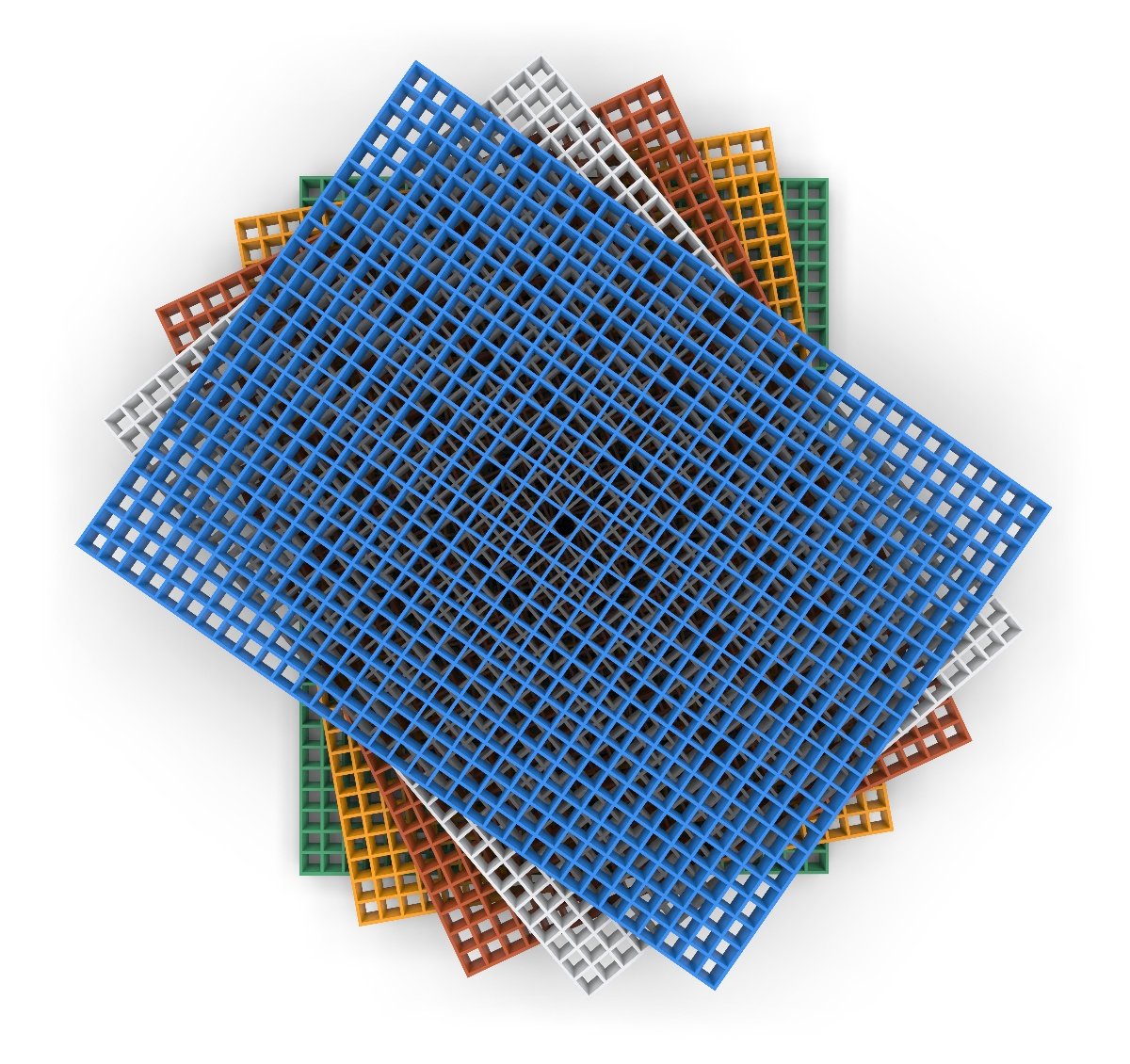
Fiberglass-reinforced plastic (FRP) composites present unique advantages for topside girder construction that merit consideration. These materials comprise glass fiber reinforcements embedded in a polymer matrix, typically epoxy or polyester resins.
High Strength-to-Weight Ratio
The high innate strength and stiffness of glass fibers, combined with the engineering versatility of molded polymer resins, lend FRP extremely high specific strength and stiffness properties. Pound for pound, FRP matches or exceeds structural steel.
Corrosion Resistance
The non-conductive polymer matrix provides inherent corrosion resistance and avoids the degradation issues faced by steel offshore. Cathodic protection or specialized coatings are not required, reducing maintenance. The solid composite cross-section resists the development of hidden internal corrosion.
Fatigue Performance
Well-designed FRP exhibits excellent fatigue resistance. The composite action distributes localized stresses and resists crack propagation. Long service lives have been demonstrated in the field.
FRP girders offer a lightweight, corrosion-resistant, high-strength alternative to traditional steel construction for topside applications. As the offshore industry continues to evolve, the integration of FRP materials may enable more efficient, durable, and cost-effective platform designs.



.jpg)