Window manufacturers face a critical decision when specifying reinforcement materials for residential frames. The reinforcement inside a vinyl or PVC profile determines whether that window maintains structural integrity, resists distortion, and delivers the thermal performance your customers expect. Tencom engineers pultruded fiberglass window reinforcements that address these requirements without the trade-offs associated with traditional options.

This article examines why pultruded fiberglass has emerged as the preferred reinforcement material for high-performance residential window frames. You'll learn how different materials compare, what drives distortion in window systems, and how to select reinforcements that deliver long-term value.
Key Takeaways: What Is the Best Material for Window Reinforcement
- Pultruded fiberglass reinforcements deliver structural strength comparable to traditional options while reducing thermal bridging by over 90%.
- The coefficient of thermal expansion for fiberglass closely matches glass, which minimizes frame distortion over repeated temperature cycles.
- Tencom's custom pultruded profiles allow window manufacturers to meet specific mechanical and thermal performance requirements.
- Fiberglass reinforcements resist moisture absorption, UV degradation, and temperature extremes for 30- to 50-year service life.
- Total cost of ownership often favors fiberglass when factoring in reduced warranty claims and improved energy efficiency ratings.
What Are Window Reinforcements and Why Do They Matter?
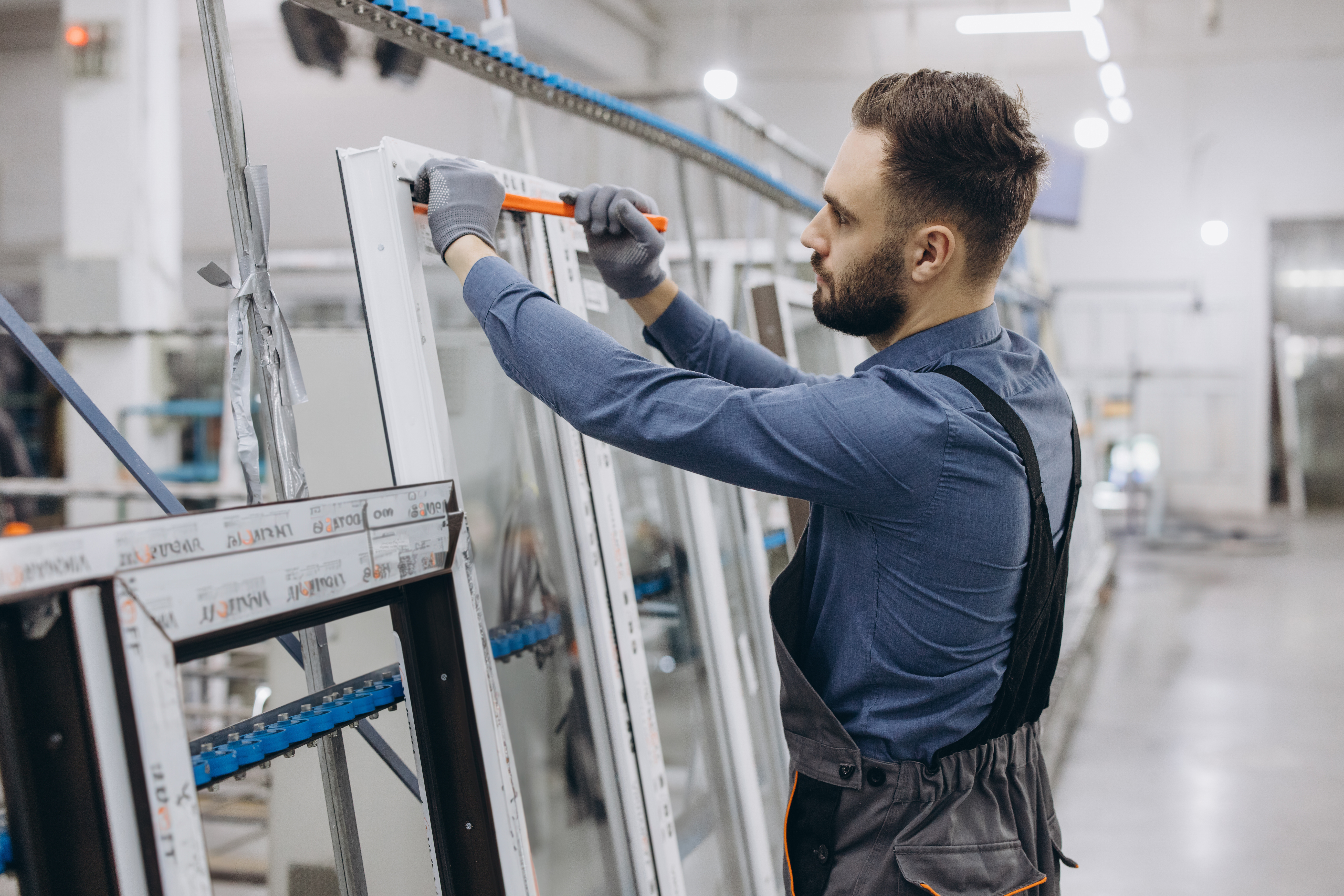
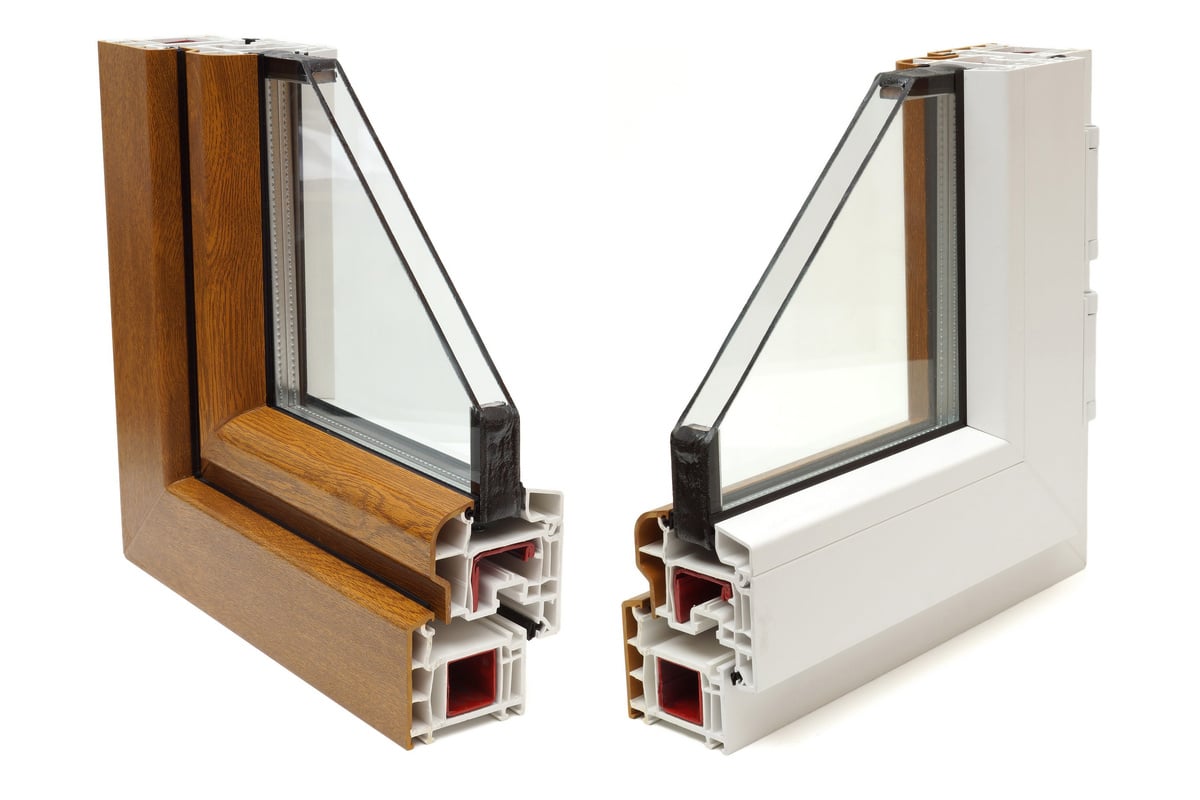
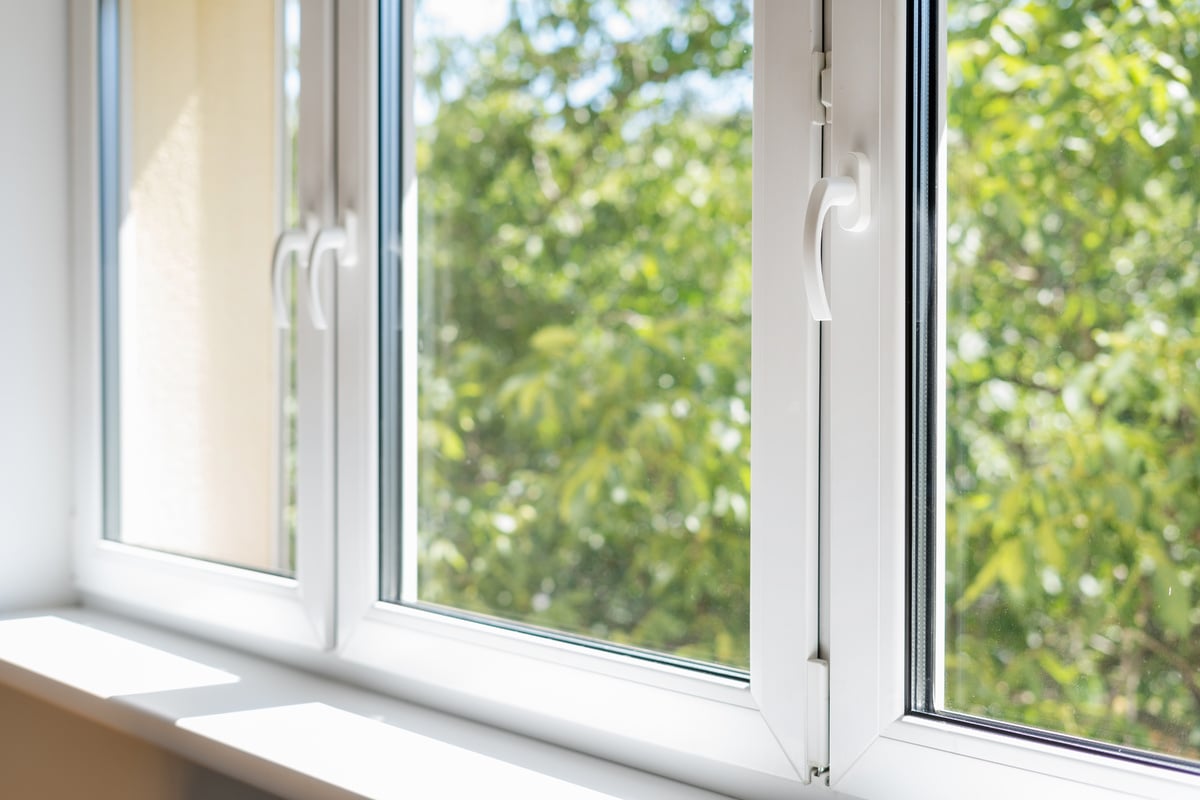
Window reinforcements are structural profiles installed inside vinyl or PVC window frames to prevent warping, sagging, and deflection under load. Without reinforcement, vinyl frames lack the stiffness needed for larger window openings or multi-pane configurations.
Reinforcements serve three critical functions: resisting deflection from wind pressure, maintaining frame geometry during thermal cycling, and supporting hardware mounting points for locks and hinges. The material you select directly affects how well your windows perform throughout their service life.
For window manufacturers targeting Energy Star certification or Passive House standards, reinforcement material choice becomes even more significant. The reinforcement either helps or hinders your ability to meet demanding U-Factor requirements.
How Do Different Reinforcement Materials Compare?
Window manufacturers have traditionally relied on galvanized profiles as the default reinforcement material. These options deliver high stiffness at relatively low upfront cost. But traditional reinforcements create a thermal bridge that undermines the energy efficiency of the entire window assembly.
The thermal conductivity difference is substantial. Pultruded fiberglass measures between 0.2 and 0.4 W/m·K, while conductive alternatives range from 45 to 55 W/m·K. This means fiberglass reinforcements essentially disappear from the thermal equation.
Weight is another consideration. Fiberglass weighs roughly one-quarter of equivalent traditional materials at comparable stiffness, meaning faster assembly cycle times, reduced shipping costs, and less stress on mounting hardware.
Why Does Thermal Conductivity Matter for Window Performance?
Thermal conductivity measures how readily heat flows through a material. Lower values mean better insulation. In a window frame, the reinforcement creates a direct thermal path from inside to outside.
High-conductivity materials act like heat highways, allowing energy to bypass the insulating vinyl chambers entirely. Fiberglass reinforcements block this pathway, helping window systems achieve the U-Factor ratings that building codes increasingly demand.
According to research published in Scientific Reports, windows with pultruded fiberglass reinforcement exhibited 12-13% lower thermal transmittance than those with traditional reinforcement in controlled testing conditions.
What Causes Window Frame Distortion Over Time?
Frame distortion results from repeated thermal expansion and contraction cycles. When reinforcement materials expand at different rates than the surrounding frame and glazing, they create internal stresses. These stresses accumulate over years, leading to warping, seal failure, and misaligned hardware.
Picture a cold winter morning followed by direct afternoon sun. The frame heats up rapidly, and each material responds differently. Traditional reinforcement options can pull away from the surrounding profile or push against it, loosening seals and creating visible bowing.
Fiberglass has a coefficient of thermal expansion close to glass itself. This similarity means the reinforcement and glazing expand together rather than fighting each other, reducing stress on sealant joints and gaskets over thousands of thermal cycles.
How Does Pultruded Fiberglass Address Distortion Problems?
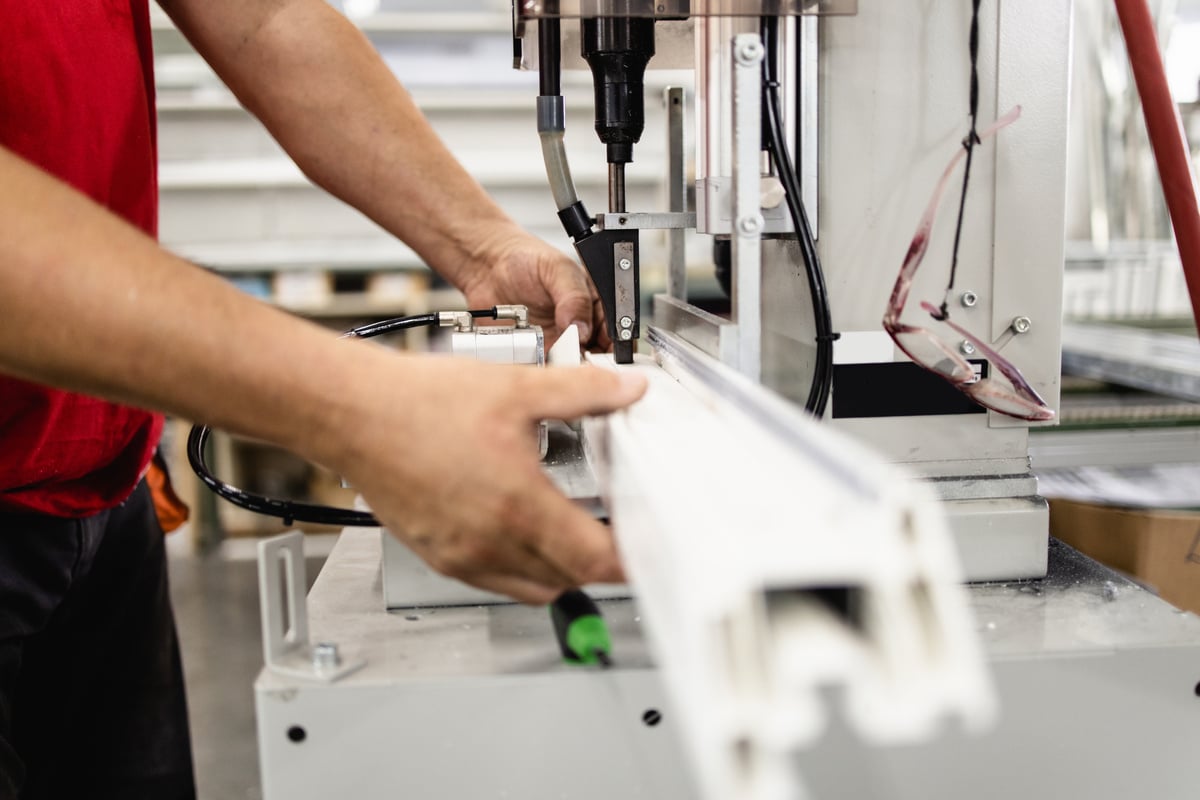
The pultrusion process creates reinforcement profiles with consistent fiber orientation and resin distribution. Continuous glass fibers are pulled through a resin bath and then through a heated die that shapes and cures the material.
Because the process is continuous, pultruded profiles maintain tight dimensional tolerances. Each section of material has the same fiber-to-resin ratio and mechanical properties as the next, ensuring predictable performance across production runs.
At Tencom, our engineers work directly with window manufacturers to design reinforcement profiles that match specific performance targets. Sometimes that means a slight modification to an existing die. Other times it means designing a completely new profile optimized for your specific window system.
What Structural Requirements Should Window Manufacturers Consider?
Building codes specify design wind pressures based on geographic location, building height, and exposure category. Reinforcements must limit frame deflection to acceptable ratios, typically L/175 or L/200 depending on local requirements.
Fiberglass delivers flexural strength between 250 and 450 MPa depending on fiber content and orientation. This matches or exceeds traditional material performance while offering a much greater stiffness-to-weight ratio.
Hardware mounting is another structural consideration. Window locks, hinges, and operators mount directly into the reinforcement, experiencing concentrated loads during operation. Pultruded fiberglass profiles accept screws and fasteners effectively without splitting or requiring special fastener designs.
How Does Tencom Support Custom Reinforcement Requirements?
Off-the-shelf profiles work for many applications. But when your window design requires a specific combination of strength, stiffness, and thermal performance, custom reinforcement profiles eliminate the compromises inherent in standard options.
Tencom's engineering team works backward from your requirements. We evaluate mechanical loads, thermal targets, manufacturing constraints, and integration details before recommending the right resin matrix, reinforcement package, and profile geometry.
We can adjust fiber architecture to optimize profiles for specific load cases. This might include adding cross-directional reinforcement where needed, adjusting fiber content to balance stiffness and toughness, or selecting specialty resin systems for demanding environments.
What Resin Systems Are Available for Window Reinforcements?
The resin matrix binds glass fibers together and transfers loads between them. Different resin systems offer distinct performance characteristics that should match your application environment.
Polyester resins deliver good general-purpose performance at moderate cost, making them suitable for standard residential applications. Vinyl ester resins add enhanced toughness and resistance to moisture and chemicals, which benefits coastal or industrial environments.
Polyurethane resins offer improved impact resistance and fatigue performance for applications requiring enhanced durability. Tencom helps you select the right resin system based on your specific application requirements and environmental exposure conditions.
What Are the Long-Term Performance Benefits of Fiberglass?
Properly specified fiberglass-reinforced windows can deliver 30 to 50 years of service or more. This extended lifespan comes from the material's resistance to the factors that typically degrade window systems.
Fiberglass does not absorb moisture, so it won't swell or deteriorate over time. It resists UV degradation when manufactured with appropriate surface treatments. And because it maintains dimensional stability across temperature cycles, seals and hardware stay aligned year after year.
For window manufacturers, this translates to fewer warranty claims and field service calls. Customers receive products that perform as expected throughout their service life, building brand reputation and customer loyalty.
Which Applications Benefit Most from Fiberglass Reinforcement?
Some window applications benefit more from fiberglass reinforcement than others. Understanding where the material delivers maximum value helps prioritize conversion efforts and engineering investment.
Large window openings and picture windows face higher wind loads and deflection challenges. Fiberglass reinforcements handle these loads while maintaining slim profiles that maximize glass area for architects and homeowners who demand larger openings.
Triple-pane configurations benefit significantly from fiberglass. The lightweight reinforcement offsets glazing weight while the low thermal conductivity ensures the frame doesn't become the weak link in the thermal envelope. Coastal and humid environments also favor fiberglass due to its resistance to moisture and salt air exposure.
In Conclusion: Selecting the Right Window Reinforcement Material
If you've been accepting thermal bridging from traditional reinforcements or finding it difficult to meet energy efficiency targets, pultruded fiberglass reinforcements offer a clear path forward. The combination of structural performance, thermal efficiency, and dimensional stability addresses the core challenges facing residential window manufacturers.
Tencom brings nearly 30 years of focused pultrusion experience to fenestration applications. Our team collaborates with window manufacturers to engineer reinforcement profiles tailored to specific window systems. Request a quote or start a conversation with our engineering team to explore whether a custom pultruded solution makes sense for your application.

FAQs About What Is the Best Material for Window Reinforcement
What makes pultruded fiberglass the preferred choice for window reinforcement?
Pultruded fiberglass delivers structural strength comparable to traditional materials while reducing thermal conductivity by over 99%. Tencom's fiberglass reinforcements help manufacturers achieve demanding U-Factor targets for Energy Star and Passive House certification without sacrificing frame strength or longevity.
How does fiberglass reinforcement improve window energy efficiency?
Fiberglass reinforcement improves energy efficiency by eliminating thermal bridging through the window frame. With thermal conductivity 500-800 times lower than conductive alternatives, fiberglass keeps heat inside during winter and outside during summer. This improvement directly supports meeting increasingly strict building energy codes.
Can fiberglass reinforcements fit existing vinyl frame designs?
Tencom engineers custom pultruded profiles designed to integrate into existing vinyl window systems. We work from your drawings to develop reinforcements that match chamber geometry precisely, typically holding tolerances of ±0.005 inches on critical dimensions for consistent assembly and performance.
How long do fiberglass window reinforcements typically last?
Pultruded fiberglass reinforcements typically deliver 30 to 50 years of service life in window applications. The material resists moisture absorption, UV degradation, and thermal cycling damage. Tencom's fiberglass profiles maintain dimensional stability and mechanical properties throughout the window's entire service life.
What is the difference between polyester and vinyl ester resin systems?
Polyester resins deliver good general-purpose performance at moderate cost for standard residential applications. Vinyl ester resins add enhanced toughness, moisture resistance, and chemical resistance for coastal or demanding environments. Tencom helps you select the appropriate resin system based on your specific environmental exposure conditions.