Picture this: Every year, industries pour massive resources into replacing corroded steel beams, heavy aluminum parts, and cracking concrete structures. The hidden toll? Sky-high energy demands, mountains of manufacturing waste, and a steady stream of carbon emissions from production and transport.
What if there were a smarter way to build that lasts for decades, uses far less energy upfront, and keeps performing without constant upkeep? That’s exactly where pultrusion shines—especially for custom fiberglass pultruded products from specialists like Tencom.

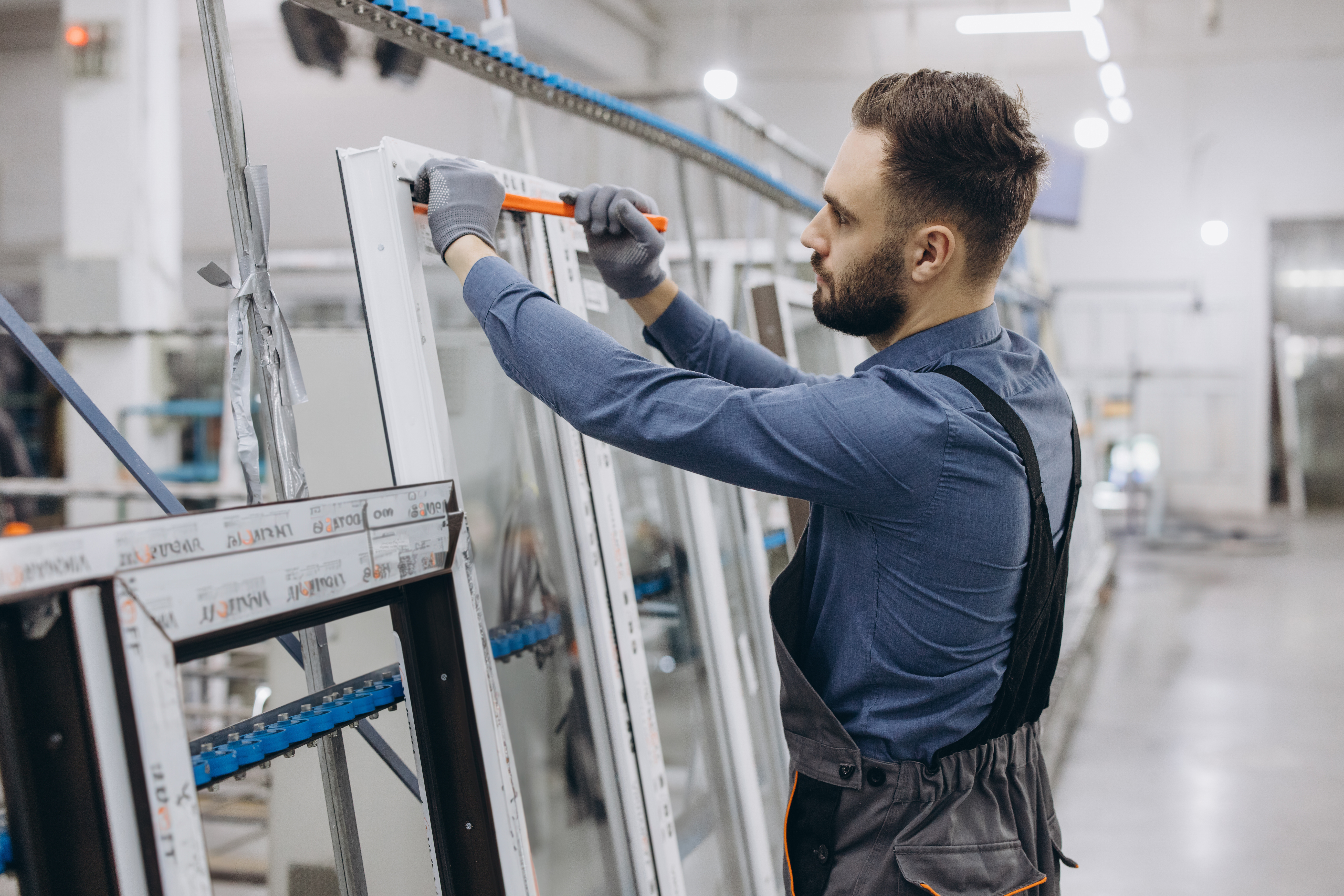
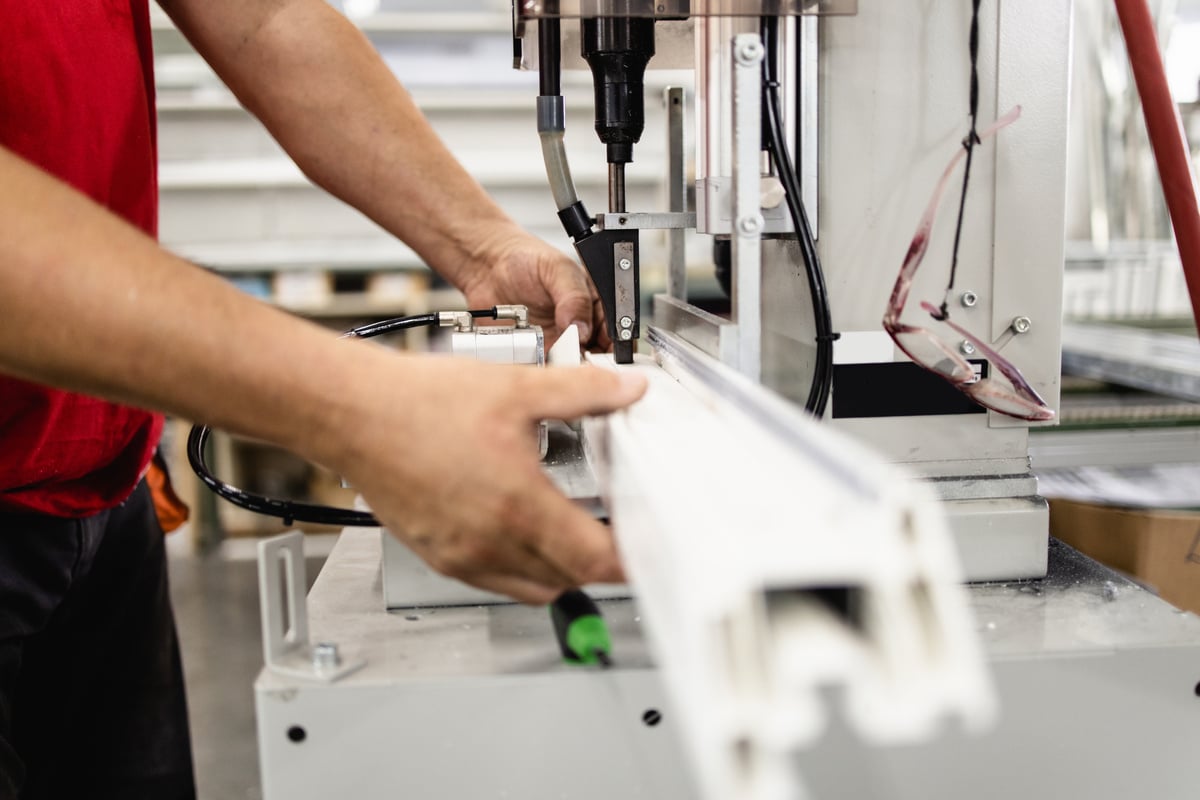
Pultrusion creates continuous, high-strength fiber-reinforced polymer (FRP) profiles by pulling reinforcements through a resin bath and a heated die. The result? Consistent, lightweight, corrosion-resistant components tailored for everything from utility poles and window reinforcements to marine structures and infrastructure.
Tencom has spent over 28 years perfecting this process as a high-touch engineering partner. They don’t just manufacture—they collaborate on designs that hit exact specs for strength, weight, flex, and environmental performance. Here’s how pultrusion stacks up in terms of real environmental impact.
The Pultrusion Process: Built for Efficiency from the Start
Traditional metal manufacturing (think steel or aluminum) demands intense heat, heavy water use for cooling, and generates significant scrap. Pultrusion flips that script.
It runs at much lower temperatures. Less heat means lower energy bills and far less water consumed in cooling systems. The process itself produces minimal waste at startup and shutdown compared to extrusion or casting methods. Resin usage stays efficient, and modern “clean pultrusion” techniques further cut solvent use and chemical exposure.
Key advantage for manufacturers: You get precision profiles without the massive energy spike or toxic byproducts common in metal production. Tencom’s team optimizes resin matrices and reinforcements to match your exact needs—whether you want standard polyester or specialty systems that boost performance while keeping the footprint light.
Lightweight Design Means Big Wins in Logistics and Installation
One of the biggest environmental wins comes from weight. Fiberglass pultruded profiles are dramatically lighter than steel or aluminum equivalents—often 75-80% lighter than steel for similar strength.
That translates directly to lower transport emissions. Fewer truckloads or shipping containers mean less fuel burned and fewer greenhouse gases released getting materials to the job site. On-site, lighter components reduce the need for heavy machinery, cutting diesel use and installation time.
For Tencom customers in construction, utilities, or marine work, this isn’t just theory. Custom rods, channels, angles, and poles arrive ready for quick deployment. Less weight equals lower overall project emissions and easier handling in remote or sensitive environments.
Longevity That Pays Off for Decades
Here’s where the numbers get compelling. Traditional materials like steel and concrete often need replacement every 20–40 years in harsh conditions due to corrosion, weathering, or fatigue. Pultruded FRP profiles routinely deliver service lives of 75–150 years with minimal maintenance.
Fewer replacements mean dramatically lower lifetime resource consumption—no repeated mining, smelting, or manufacturing cycles. Corrosion resistance is built in, so you skip the chemical coatings and constant inspections that add both cost and environmental load.
Tencom’s custom fabrication capabilities (cutting, machining, chamfering, and more) ensure that profiles fit the first time perfectly. That precision reduces on-site waste and rework. Their conductor rods, tool handles, and structural profiles are engineered for exactly these long-haul scenarios in utilities, infrastructure, and industrial settings.
Recyclability and the Circular Economy Angle
At end of life, pultruded profiles aren’t destined for the landfill like many traditional materials. They can be recycled and reformed into new plastic-based products, thereby extending material value and reducing demand for virgin resources.
Emerging circular solutions, such as mass-balance certified fibers with recycled content, are making their way into the industry. While the pultrusion process itself has a relatively modest gate-to-gate footprint, the real leverage comes from the full lifecycle—especially when lightweight, durable parts displace heavier, shorter-lived alternatives.
Tencom stays ahead of these trends by working closely with customers to select materials that balance performance and future recyclability.
Side-by-Side: How Pultrusion Compares to Traditional Materials
- Energy use: Pultrusion requires significantly less heat and overall energy than producing equivalent steel or aluminum parts.
- Waste: Far less scrap and process waste versus metal fabrication.
- Emissions: Lower CO₂, toxins, and fumes during manufacturing; reduced transport emissions thanks to lighter weight.
- Water consumption: Noticeably lower cooling needs.
- Lifespan & maintenance: Decades longer service life with virtually zero corrosion-related repairs.
Life cycle assessments consistently show that pultrusion-based composites deliver strong environmental performance, particularly when the full cradle-to-grave picture (including use-phase savings) is considered.
Key Takeaways: Why Pultrusion Delivers Lower Waste, Energy, and Long-Term Savings
- Lower upfront energy — Reduced heat and cooling demands compared to metal production.
- Minimal process waste — Efficient continuous manufacturing with less scrap.
- Lighter weight, lower emissions — Cuts fuel use in transport and installation.
- Exceptional durability — 75–150-year lifespans mean far fewer replacements and resource cycles.
- Built-in corrosion resistance — Eliminates need for protective coatings and frequent maintenance.
- Recyclable at end of life — Supports circular economy goals.
- Custom engineering advantage — Tencom tailors every profile for optimal performance and sustainability.
Partnering with Tencom for Sustainable Custom Solutions
Tencom doesn’t just produce fiberglass pultruded products—they engineer partnerships. With deep expertise in design, material selection, and value-added fabrication, they help customers specify profiles that deliver both performance and environmental wins. Whether you need lightweight structural components for renewable energy projects, non-conductive tool handles for utilities, or corrosion-proof profiles for marine and infrastructure work, their team collaborates to get it right.
The result? Products that perform reliably for generations while helping reduce your overall environmental footprint.
Ready to explore how custom pultrusion can support your sustainability goals?
Request a quote today or complete Tencom’s Profile Awareness Questionnaire to start the conversation.