Pultrusion is a manufacturing technique used to make parts with a constant cross-section. The material is pulled through the die, which closely controls the profile dimensions. The resulting end product is a composite profile with a high fiber ratio.

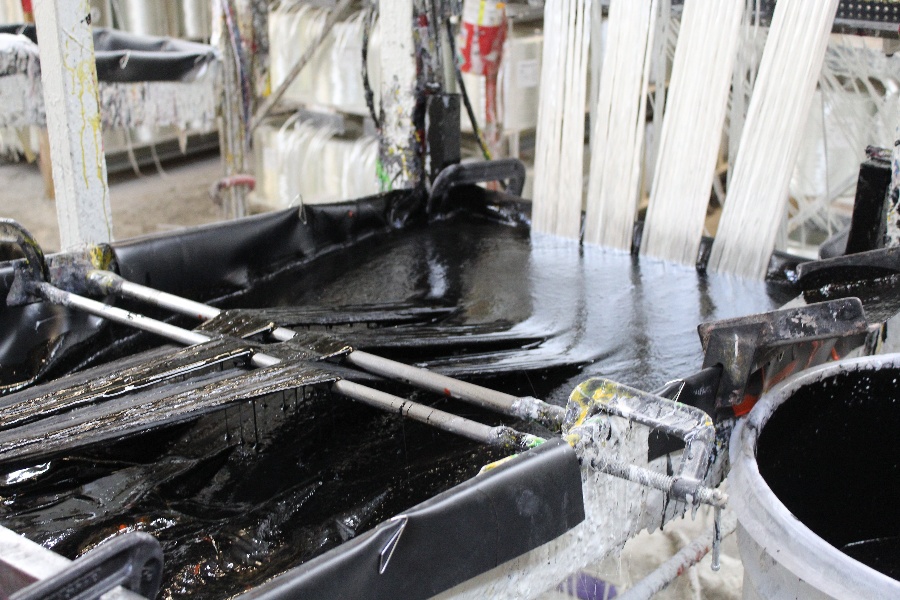
Fiber rovings (sometimes along with fabrics) are drawn from the rear of the machine, guided into position, passed through a resin bath, and then through preforming tooling. The thermoset materials will need time to cure as they are pulled through the curing die.
The material is cured into a solid shape as it moves through the die, and it has cured by the time it completes its trip and exits as a solid, cured profile. The process results in long lengths of composite.
Why Use Pultrusion Resins?
During pultrusion, glass-reinforced textiles or fibers are pulled through a resin bath in a controlled process known as wet-out.
The process is monitored to ensure total-wetting out of the emerging reinforced fiber. Afterward, excess resin is removed to expel any trapped air before the impregnated glass-reinforced textiles are passed through a heated die to cure the combination of resins, catalysts, and any other fillers.
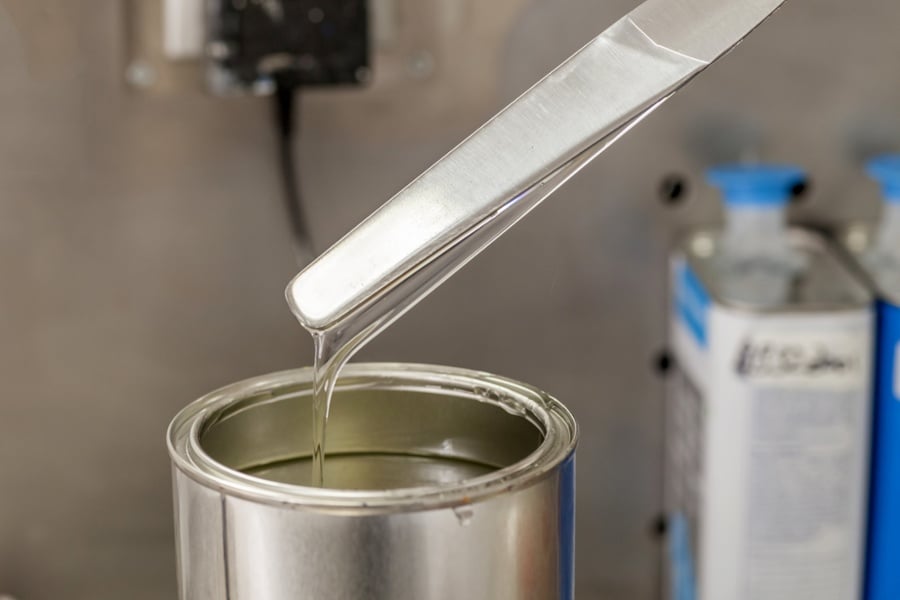
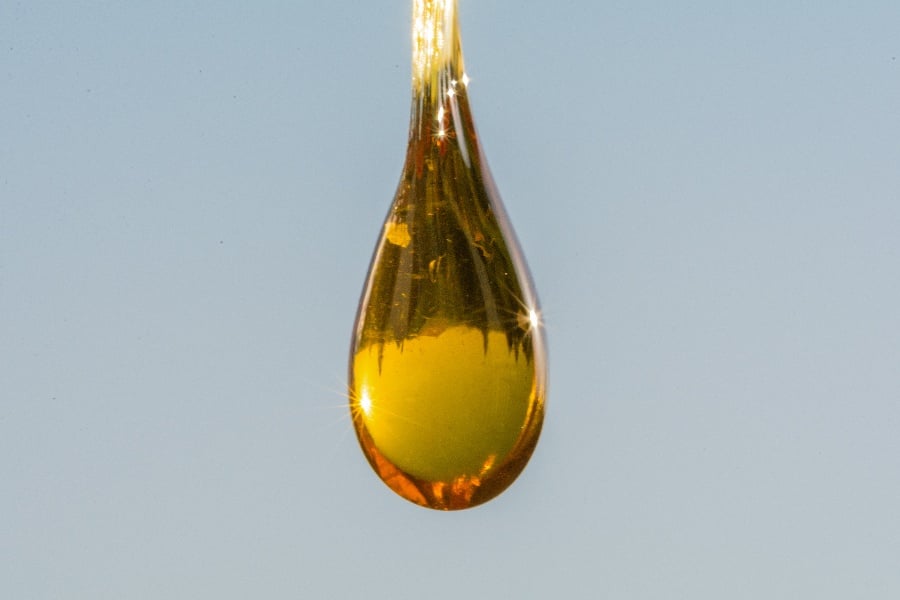
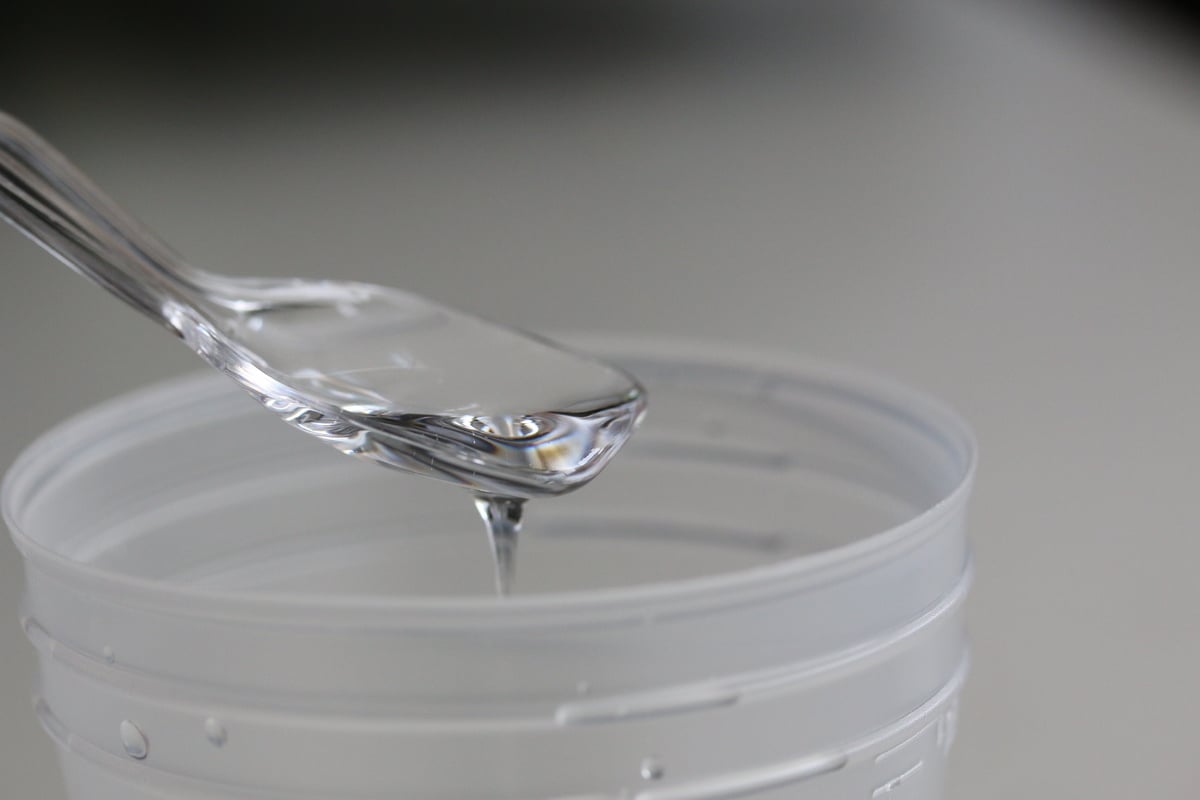
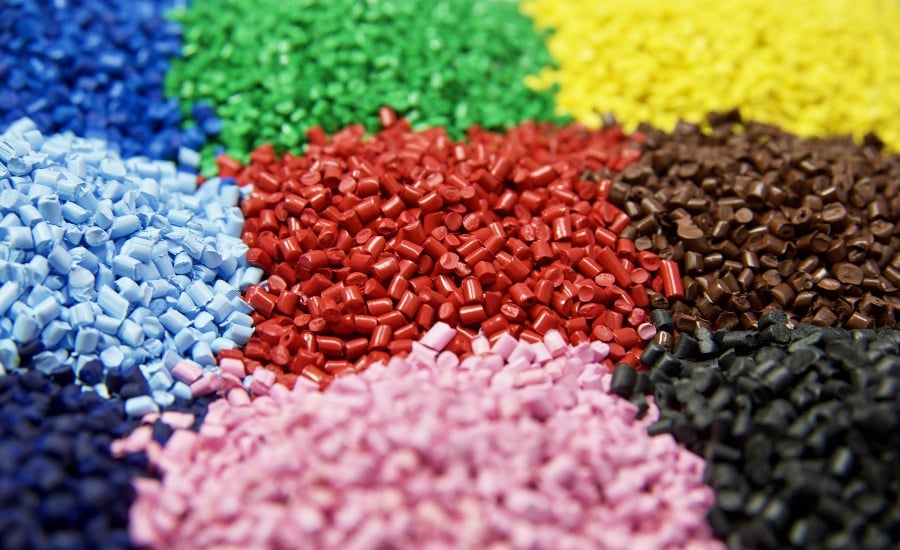
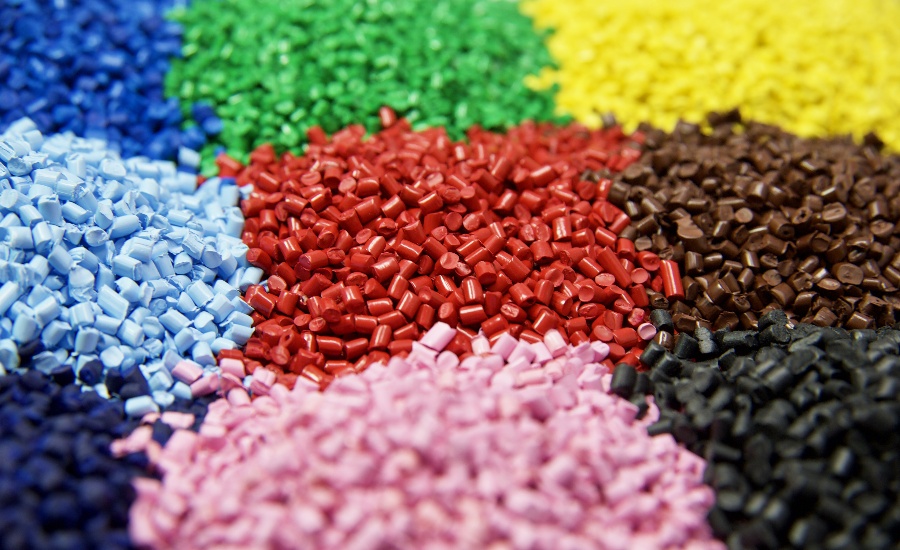
Why use pultrusion resins? Resins are at the core of the pultrusion process and are used to coat the fibers and hold them together, enabling them to withstand damaging external factors such as corrosion.
Therefore, resins offer structural and thermal stability to the resulting composite. Depending on your project's needs, different resins can be used to meet your specifications. Once the composite is fully cured, it can be cut into the required length or shape.
Some of the most commonly used resins in pultrusion include:
Epoxy ─ This is a popular option due to its low shrinkage rate. These have thermochemical integrity and are ideal for reinforcing and bonding Fiber Reinforced Polymer (FRP) components. This resin boasts excellent performance in high-heat environments and strong corrosion resistance.
In addition to the usually higher cost, the disadvantage is that epoxy resins have high viscosity and sometimes require a post-cure. They also have poor UV resistance.
Vinyl ester ─ This is a popular pultrusion resin due to its exceptional moisture and corrosion resistance. It also has strong chemical resistance properties and is commonly used in the production of coastal and marine products.
The faster a pultrusion resin cures, the quicker the turnaround and production rate. According to the European Pultrusion Technology Association (EPTA):
- Unsaturated polyester resin: this type of resin is viscous and is easy to fill with kaolin, chalk, aluminum trihydrate (ATH), or ammonium polyphosphate (APP).
- Methacrylate resin: four to five different methacrylate resin types are available, with the following advantages over normal polyester resin types ─
- High filler content with ATH up to 200 parts (complies with stringent fire safety standards)
- Retards flames if ATH & APP are added
- Low shrinkage (good-quality surface, no exothermic cracks)
- Absorbs pigments easily
- High reactivity (relatively high pultrusion speed)
Phenol resins
Phenol resins are the oldest known resin systems created by the condensation of phenols and formaldehyde. Such resins are often dark-colored, from yellow to dark red, and are found in many industrial products. As water is released during curing, there is a risk of cracks and pores forming. This may cause considerable processing problems. There is very low flammability, but high flue gas emissions.
Since phenolics are the most suitable when it comes to thermal insulation and fire resistance, they are often applied together with other resins so the resulting product can be both durable and fire-safe.
Polyurethane
Polyurethane (PU) is a two-component thermoset resin commonly used in pultrusion. The main properties of PU are high impact and fatigue resistance, low shrinkage & a line speed comparable to that of unsaturated polyesters. PU-based pultruded profiles are ideal for applications that require high structural performance.
Thermoplastics
Combinations of glass fibers and thermoplastics are another option to improve specific properties such as surface slip characteristics, subsequent deformation during heat exposure, abrasion resistance, and chemical stability. Polyethylene, polypropylene, and polyamide are used as matrix materials.
Glass Fiber as Reinforcement
E, C, or S glass filaments are an important part of the reinforcing structure and are bundled by melt spinning to form rovings with a weight between 600 and 9600 tex. These form a unidirectional reinforcement in the pultrusion direction. The filaments are surrounded by silane sizing, which enhances bonding to the matrix. Textured roving is used where increased transverse strength may be achieved, as it is not a fully unidirectional arrangement.
Mats
There are three main types:
- Continuous filament mats(CFM): CFM with a multi-axial arrangement of bonded filaments.
- Surface mats: Some CFM may be made of "A glass or other finer filaments and used primarily for the reinforcement of the surfaces of extensive profiles, with high demands regarding the surface finish (low roughness and porosity). Polyester or glass mats form an overlay on many profiles, with characteristics including the ability to withstand harsh weather conditions, UV resistance, and chemical resistance. Profiles are usually not painted. Weight categories are between 30 and 100 g/m².
- Woven/non-woven fabrics are used as reinforcing materials to increase transverse strength.
Fiber combinations in the 0°, 45°, and 90° directions. Non-woven hybrid fabrics (such as glass/carbon fiber) with different layers are produced, for instance, with a roving beneath and a 0°/90° mat on top, or with a mat below and a continuous filament mat on top to attain resin-rich and smooth surfaces. - Flame-retardant mats at the surface, such as graphite mats, make standard polyester resins with low filler content to comply with the DIN 5510 S4 norm ─ they foam in case of fire, thus keeping the oxygen away from the source of the fire (at 160 °C, graphite fibers will expand by a factor of 9).
Custom fiberglass pultrusions come in many configurations you can consider. Depending on application requirements, many combinations of resin types and reinforcements can be used to adjust physical and chemical properties and UV resistance.
Pultrusion enables rapid, cost-effective, high-volume, continuous manufacturing of pultruded profiles that are strong, durable, long-lasting, and lightweight.
The right manufacturer will be able to work with you to advise on profiles that are the best fit for your project/s to optimize performance and your value-to-cost. Contact Tencom today.