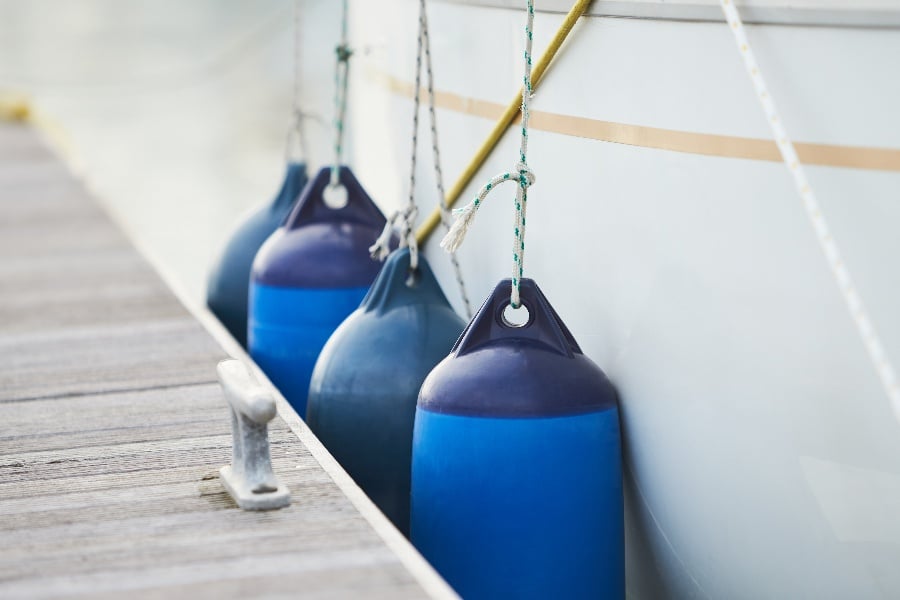
One of the best characteristics of pultruded products is their water resistance. Issues such as rust, corrosion, rot, and warping do not occur with pultruded profiles, regardless of the application.
Fiber Reinforced Polymer (FRP) composites can be used not just for infrastructure, construction, aerospace, and transportation, but also to enhance home interiors, such as bathrooms.
Let’s look at a great example.
Fiberglass Showers
A new application for fiberglass can currently be seen in shower designs. The Frank J. Manning Apartments, located in Cambridge, MA, have undergone major renovations to revamp the bathrooms.

Built in 1976 using a cast concrete plank system, the old design had become obsolete. In 2015, the Cambridge Housing Authority initiated a $58 million project to revise the building's exterior and interior.
As a public housing facility, renovations were estimated to be more cost-effective than building brand-new apartments from the ground up. Bringing in specialty contractors, the team got to work immediately on 199 bathroom renovations.
They added duct covers, soffit walls, a dome over the showers, and, of course, new fiberglass shower units.
The team wanted to install shower systems that were easy to clean and allowed for high-quality air to circulate in the bathrooms.
This idea was intended to prevent mold accumulation and ensure the finished bathrooms would be healthy spaces for residents. The Manning Apartments are considered public housing for disabled and elderly people, so the success of this project was critical.
Once the concept showers were drawn up, the team got to work on the fabrication process. Replacing shower units floor by floor, the installation that began in June 2016 was completed in November 2017. That’s a quick turnaround for a 19-story apartment building.
Part of the reason the bathroom renovations went smoothly was the use of Fiber Reinforced Polymer (FRP) composite materials. Using an open-mold/spray-up facility, the fiberglass showers were made quickly.
The process comprised five layers, beginning with a coating of polyester resin gel. Various additives were added to the first layer to enhance specific properties and impart a specific color.
Once the first layer of gel was cured with a methyl ethyl ketone peroxide initiator, a barrier layer was added to enhance the shower's durability. This layer also helped to give the unit a glossy sheen. After curing with the same initiator, it was time to spray on the E-glass fibers.
Next, the technicians rolled out the air bubbles and installed a sheet of plywood to serve as the shower wall backing. The last step was to add another layer of glass FRP (GFRP) to seal the wood and cure the finished shower.
E-Glass Fibers
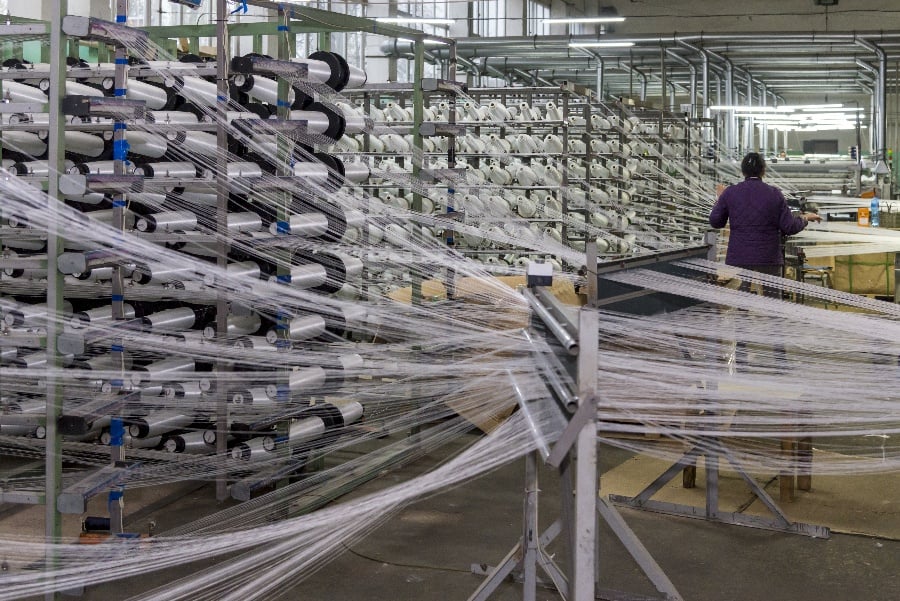
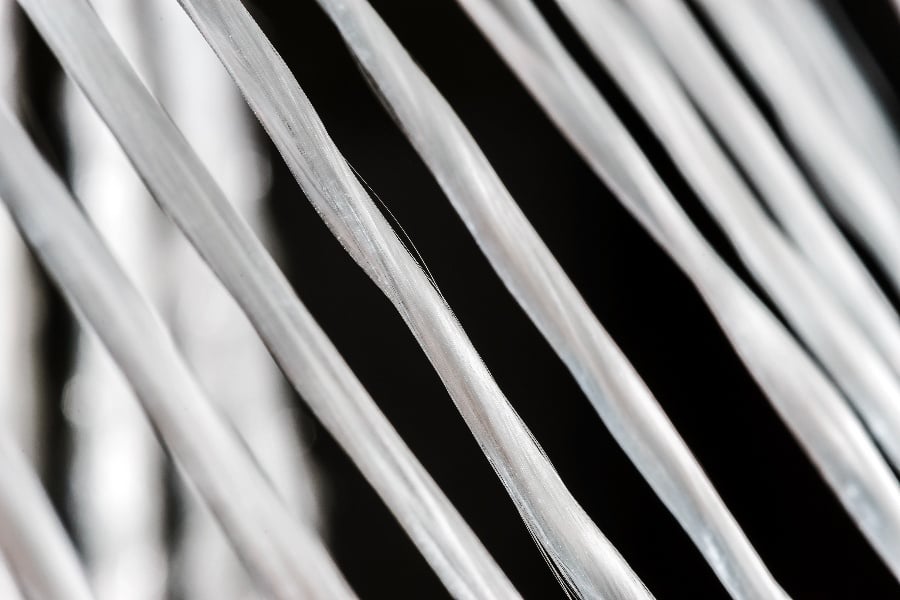
Our favorite type of FRP composite material to work with is E-glass. These fibers are used to create fiberglass profiles, including rods, angles, bars, channels, poles, and tubes. We create fiberglass products by bundling E-glass fibers into a material we call a roving.
The fiber rovings are then pulled through a liquid resin bath and impregnated with the property-enhancing resin. Then, the mixture gets pulled into a casting mold to take its shape and cure.
For your projects, we can create a wide range of fiberglass profiles, including various shapes and sizes. We specialize in small (under 2-inches) square profiles, but we can also produce custom fiberglass products. Presently, our limit is fiberglass profiles that are 6 inches tall, 15 inches wide, and have a tolerance of .005.
As for our other fiberglass profiles, we have a bit more freedom. For example, we can manufacture fiberglass rods ranging from 100 ft to 2,000 ft. Currently, the diameters we offer are 3/16-inch, 1/4-inch, 5/16-inch, and 3/8-inch.
Fiberglass poles are also in our wheelhouse. Boasting a high tensile strength and a resistance to heat, these lightweight, non-conductive poles can be used as electric fence poles, electrical support pieces, golf flag poles, tree/vine supports, CB antennas, crossbars, and even high jump poles. They are very cost-efficient and require little to no maintenance. They also have quite a long life expectancy.
Also specializing in channels, angles, tubes, and bars, we can create just about anything you need for your next project.
Advantages of FRP Composites
As we showed with the shower unit example, FRP composites are water-resistant. This makes them very attractive for many industries. Rain, snow, sleet, and large bodies of water don’t stand a chance against fiberglass profiles.
Take utility poles, for example. Typically made of wood, these heavy, conventional poles are expensive to transport, difficult to install, and susceptible to rot and decay. By using FRP composite poles as utility poles, all of those issues can be addressed.
Because pultruded poles are so lightweight, they can be transported to a job site at a lower cost. They can also be cut into manageable pieces to make the installation process a breeze. Holes can also be pre-drilled to help with assembly. Finally, these poles can stand for decades without succumbing to the elements. Water will not damage a FRP composite pole.
Durability
The average life expectancy of a fiberglass profile is up to 80 years. With little to no maintenance required throughout this long lifespan, you can expect to save quite a bit of money. Safe, reliable, stable, and cost-efficient, you can’t go wrong with a pultruded product.
FRP Composites For Your Next Project
Are you ready to get started on your next project? Our experts here at Tencom have over 22 years of experience. We can create custom FRP composite products for your projects. To learn more about our pultruded products or to get a quote, get in touch with us today.