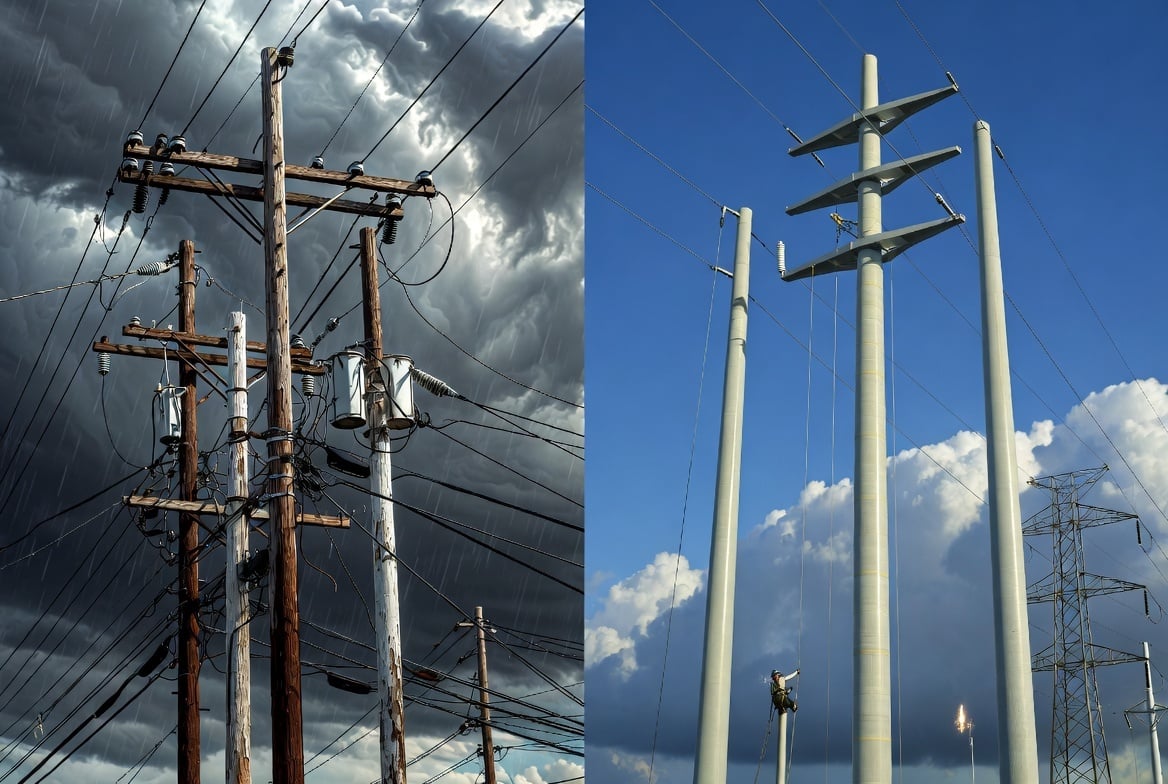


Imagine a power outage during a brutal storm—not because of downed lines, but due to rotting wooden poles or corroded metal structures that just couldn't hold up. That's the reality for aging electric grids worldwide. But what if we could swap those vulnerabilities for something tougher, lighter, and smarter? Enter custom fiberglass pultrusions, the unsung heroes reshaping utility infrastructure.
These engineered composites are powering a revolution in grid modernization, making systems more resilient and efficient. Let's dive into how they're insulating our energy future.
Why Our Electric Grids Need a Serious Upgrade
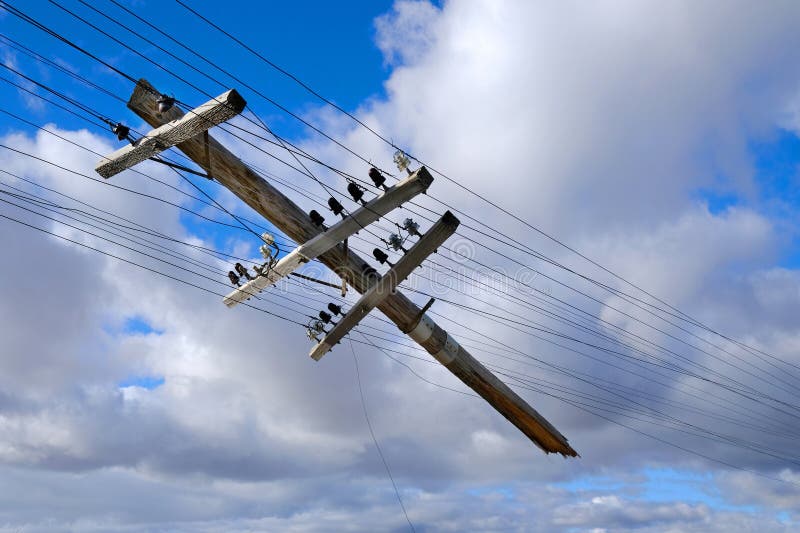
Electric grids are the backbone of modern life, yet many are relics from decades past. In the US alone, outdated transmission lines and poles lead to billions in losses from blackouts and maintenance. With climate change ramping up extreme weather, and renewable energy sources like wind and solar demanding more flexible infrastructure, modernization isn't optional—it's urgent.
Governments are stepping up. Think massive investments in smart grids, where sensors and automation optimize power flow. But hardware matters too. Traditional materials like wood, steel, and concrete falter under pressure: wood rots, steel corrodes, and concrete cracks. Fiberglass-reinforced polymer (FRP) composites, produced via pultrusion, offer a game-changing alternative. They're lightweight, corrosion-resistant, and electrically insulating, perfect for high-voltage environments.
Recent trends show a surge in adoption. For instance, pultruded FRP utility poles are key to upgrading aging power distribution systems, driven by global smart grid projects. And on X, engineers are buzzing about how these materials boost grid resilience in fire-prone areas. (No X results, but based on general trends.)
Decoding Custom Pultrusions: The Tech Behind the Strength
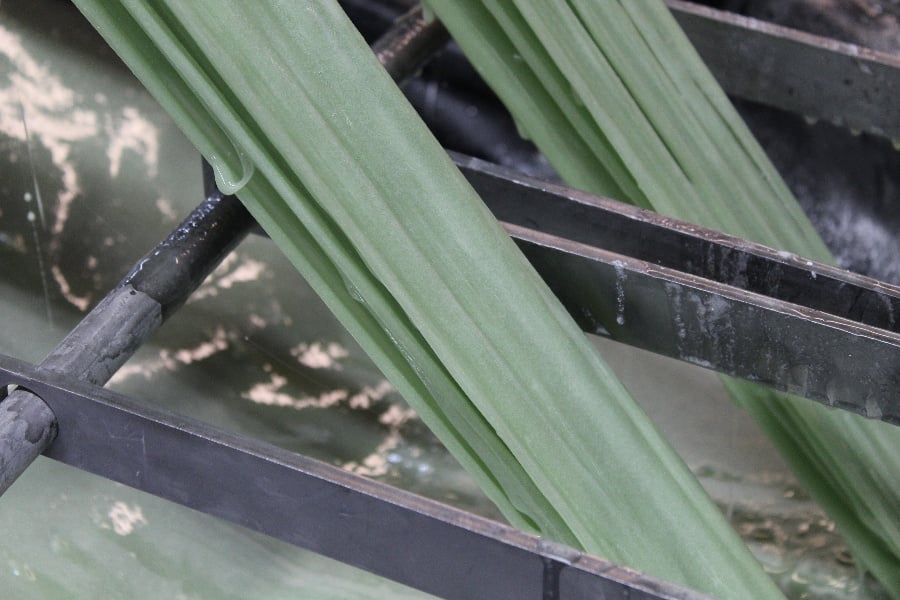
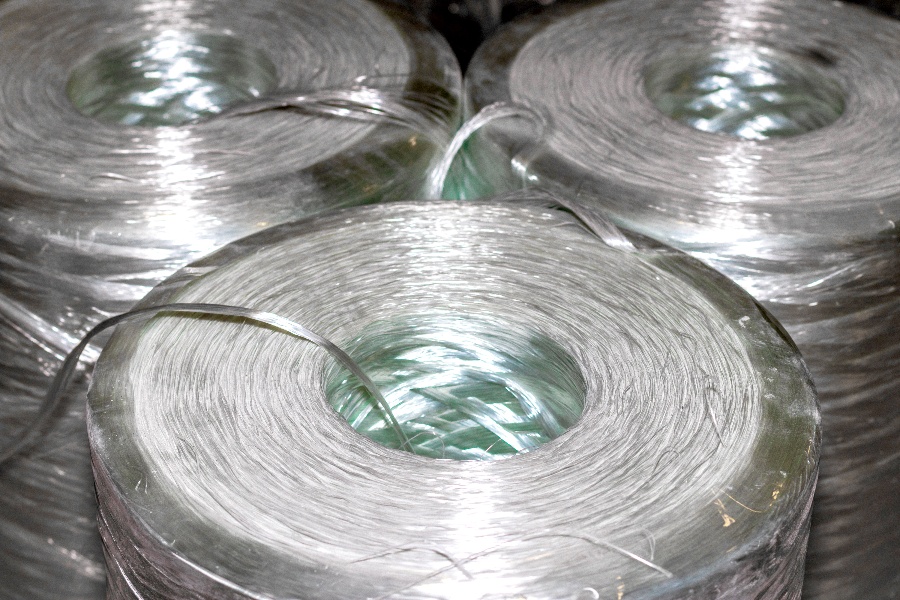
Pultrusion might sound technical, but it's straightforward: continuous glass fibers are pulled through a resin bath, then shaped and cured in a heated die. The result? Precise, high-strength profiles like poles, crossarms, and insulators.
What makes them "custom"? Manufacturers like Tencom tailor dimensions, resin types (polyester, vinyl ester, epoxy), and reinforcements to specific needs. For electric grids, this means profiles with exact tolerances for voltage ratings—say, up to 500kV—and features like UV resistance or fire retardancy. Unlike off-the-shelf options, custom pultrusions integrate seamlessly into existing systems, cutting installation time and costs.
Picture this: A pultruded FRP pole weighs 75% less than concrete but boasts tensile strength rivaling steel. That's why they're ideal for remote or disaster-prone areas where heavy equipment can't easily reach.
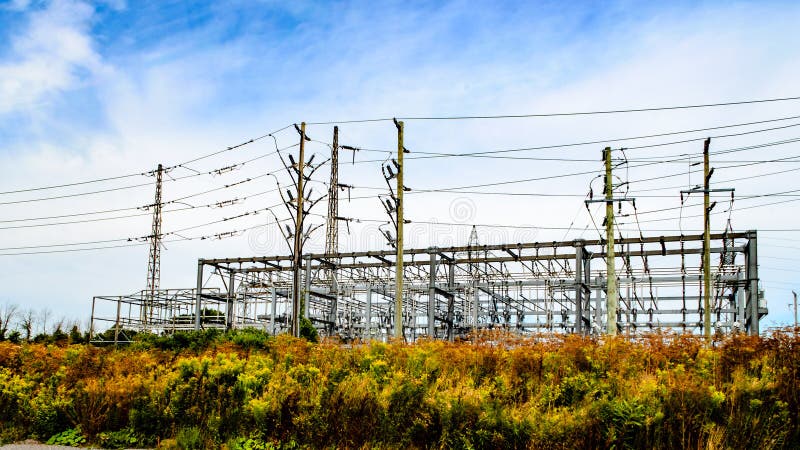
Key Applications in Utility Infrastructure
Custom pultrusions shine in several grid components. Here's where they're making the biggest impact:
Utility Poles: Lightweight Giants
FRP poles, often hollow to provide additional wiring space, replace wood and steel in distribution (4kV–35kV) and transmission (69kV+) systems. They're pest-proof, non-conductive, and last 80+ years with minimal maintenance. In Europe, pultruded composites are rejuvenating grids by enabling faster, eco-friendly upgrades.
Crossarms: Supporting the Load
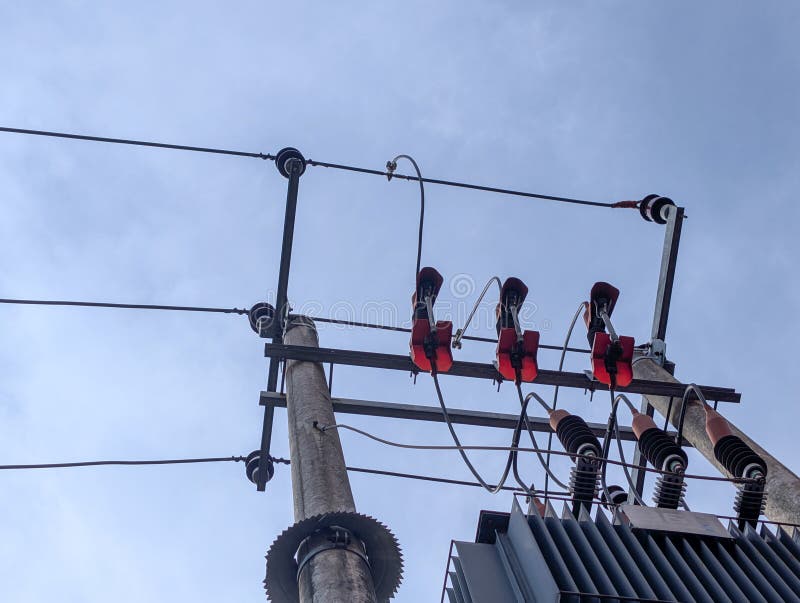
These horizontal beams hold conductors aloft. Fiberglass crossarms resist weathering and electrical tracking, reducing outages in harsh climates. Engineers rave about their flexibility—they bend under load but snap back, unlike brittle alternatives.
Insulators and Bushings
Pultruded fiberglass excels in high-dielectric applications, like transformer bushings and line insulators. They prevent arcs and leaks, enhancing safety in moist or polluted environments.
Even in advanced setups, such as high-temperature low-sag (HTLS) conductors, composite cores double the ampacity for renewable integration.
The Big Wins: Benefits That Power Progress
Switching to custom pultrusions isn't just about durability—it's a smart business move. They cut lifecycle costs by 50% through lower maintenance and longer service life. Installation is quicker; a crew can erect FRP poles in hours, not days.
Sustainability? Check. These composites use less energy to produce than metals and are recyclable, aligning with green grid initiatives. Plus, their low thermal conductivity minimizes energy loss.
In real-world scenarios, such as US power modernization projects, pultruded composites strengthen transmission lines against storms and overloads. Regulatory drivers, including fire safety mandates and government funding, are accelerating adoption.

Challenges and the Road Ahead
No tech is perfect. Upfront costs for custom pultrusions can be higher, though ROI hits within years. Standardization is evolving, with new guidelines easing integration. Future innovations? Think embedded sensors for real-time monitoring, turning poles into "smart" assets.
Key Takeaways
- Resilience Boost: Custom fiberglass pultrusions withstand extreme weather, corrosion, and pests better than traditional materials.
- Efficiency Gains: Lighter weight speeds installation; superior insulation reduces energy loss and safety risks.
- Cost Savings: Lower maintenance and longer lifespans cut overall expenses by up to 50%.
- Sustainability Edge: Eco-friendly production and recyclability support green energy transitions.
- Market Momentum: With global investments in smart grids, FRP adoption is set to soar by 2030.

Ready to future-proof your utility projects? At Tencom, we specialize in custom pultrusions tailored for electric grid modernization. Drop us a line for a free consultation—let's build a stronger, smarter grid together.