
Version 7.0 significantly tightened performance thresholds across all climate zones to reflect advances in glazing, framing, and sealing. For windows, key prescriptive changes include:
- Northern Zone (covering much of the Midwest, including Ohio): U-Factor ≤ 0.22 with a new minimum SHGC ≥ 0.17.
- North-Central: U-Factor ≤ 0.25, SHGC ≤ 0.40.
- South-Central: U-Factor ≤ 0.28, SHGC ≤ 0.23.
- Southern: U-Factor ≤ 0.32, SHGC ≤ 0.23.
Similar tightening applied to doors, particularly≥ ½-lite and sliding glass doors. Products that easily met Version 6.0 often fall short today, requiring updated glass packages, better framing materials, and improved air-leakage control.
2025–2026 Developments: Most Efficient Tier and State Activity
The EPA’s Most Efficient 2025 criteria for windows and sliding glass doors maintain the high bar set previously—demanding, for example, Northern Zone U-Factor ≤ 0.20. Only the strongest performers earn this designation, which directly aligns with eligibility for the full federal 25C tax credit for windows.
On the regulatory front, states continue to reference Version 7.0. Colorado’s HB 23-1161 (with practical amendments) now requires residential windows, doors, and skylights sold after January 1, 2026, to meet enhanced energy standards, with alternative U-Factor pathways available. Other regions are watching these moves closely as 2026 building code cycles incorporate higher-performance baselines.
Opportunities for Manufacturers Serving the Northern Climate Zone
For window and door makers targeting markets such as Northwest Ohio and other Northern Zone areas, the updated rules reward innovation in thermal performance without sacrificing design flexibility. Meeting lower U-Factors while maintaining slim profiles and maximizing glass area has become a competitive edge.
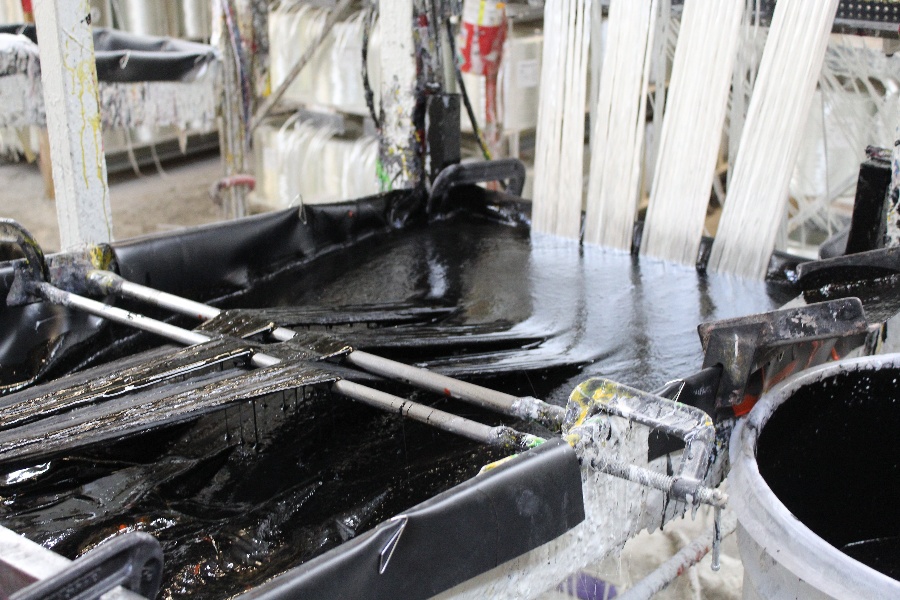
Advanced fiberglass pultrusions stand out as a proven solution. At Tencom, we specialize in custom pultruded reinforcements engineered specifically for fenestration:
- Exceptional thermal break properties that help achieve demanding U-Factor targets
- High strength-to-weight ratio, enabling larger, more efficient glazing units
- Dimensional stability that ensures tight seals and long-term air-leakage performance
- Corrosion and moisture resistance ideal for variable Midwest weather
These components allow manufacturers to meet the ENERGY STAR Version 7.0 and Most Efficient criteria with double- or triple-pane packages while keeping frames attractive and cost-effective.
Key Takeaways for Window and Door Manufacturers
- ENERGY STAR 7.0 is the active specification—ensure your product lines are certified and labeled accordingly.
- Most Efficient 2025 recognition delivers a clear marketing and sales advantage, especially where tax credits matter to buyers.
- State mandates and code updates in 2026 are raising the compliance floor in key markets.
- High-performance reinforcements, such as Tencom’s fiberglass pultrusions, provide a reliable path to superior thermal efficiency, structural integrity, and design freedom.
Ready to strengthen your product lineup for today’s ENERGY STAR landscape? Tencom’s custom fiberglass pultruded profiles help manufacturers deliver windows and doors that not only meet—but exceed—Version 7.0 and Most Efficient requirements in the Northern Climate Zone and beyond. Our team works directly with fenestration producers to optimize reinforcements for thermal performance, durability, and manufacturability.
Contact Tencom today to explore how our pultrusion expertise can give your next generation of energy-efficient windows and doors a competitive advantage in a market that increasingly demands proven high performance. Your customers—and your bottom line—will benefit for years to come.