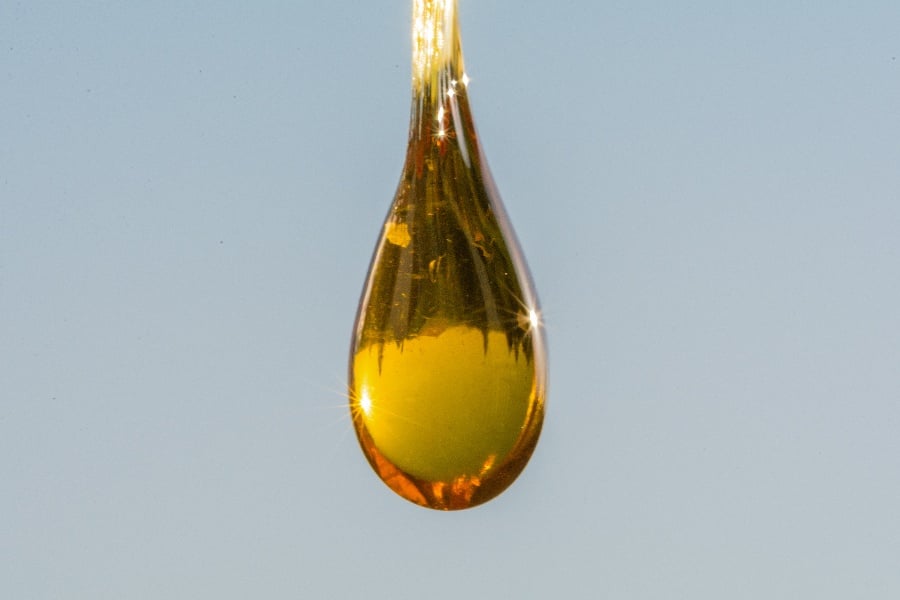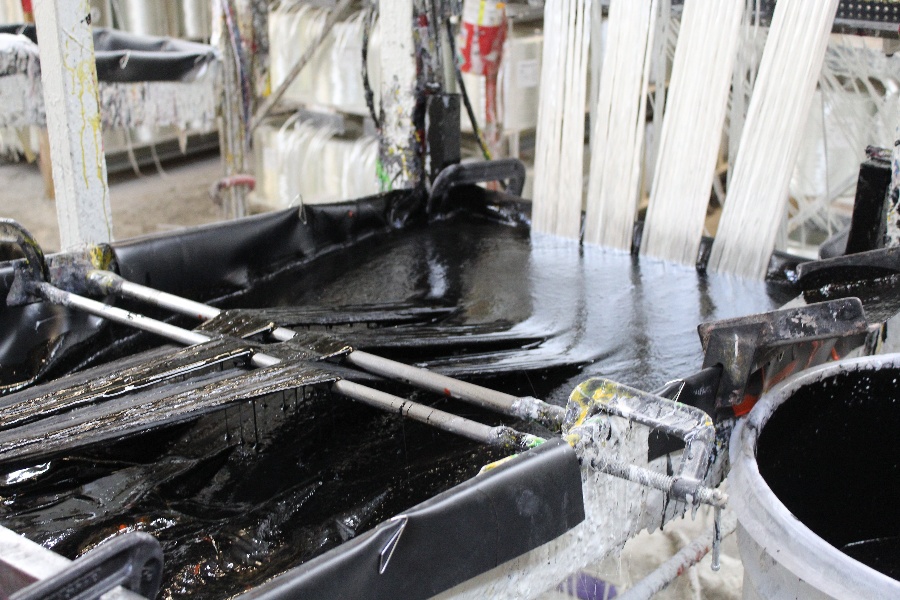
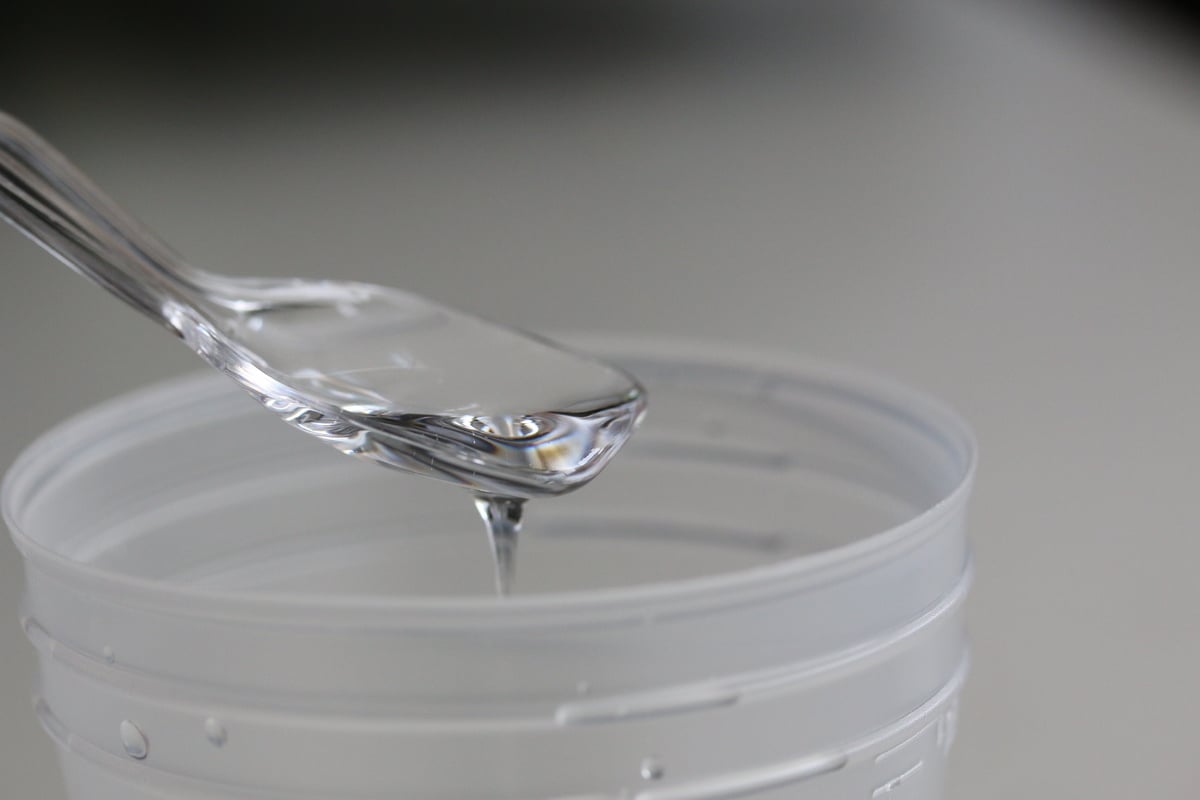
In composite manufacturing, resin selection is pivotal in determining the performance, durability, and suitability of pultruded fiberglass products for specific applications.
Fiberglass pultrusion involves impregnating continuous fibers with resin and pulling them through a heated die to form strong, lightweight profiles, including tubes, rods, angles, and custom shapes. The primary resins employed in this process include polyester, vinyl ester, epoxy, phenolic, and polyurethane, each offering distinct properties that address varying environmental and mechanical demands.

This article provides a detailed examination of the resins used in fiberglass pultrusion, including their characteristics, performance comparisons in terms of corrosion resistance and temperature tolerance, and optimal applications.
By understanding these options, engineers and procurement specialists can make informed decisions to enhance project outcomes while optimizing costs and longevity.
Polyester Resin
Polyester resins are among the most widely utilized in fiberglass pultrusion due to their balance of performance and affordability. These thermoset resins cure through a chemical reaction, forming a rigid matrix that encapsulates the fiberglass reinforcements. Key attributes include good mechanical strength, moderate corrosion resistance, and ease of processing.
However, they exhibit average water resistance and are best suited for environments with limited exposure to harsh chemicals. Polyester resins are available in various formulations, such as orthophthalic or isophthalic types, with the latter providing enhanced durability.
Vinyl Ester Resin
Vinyl ester resins represent an upgrade over polyesters, combining the processing ease of polyesters with the superior chemical resistance akin to epoxies. Derived from epoxy backbones modified with vinyl groups, these resins offer improved toughness, elongation, and resistance to corrosive substances.
They are particularly effective in environments involving acids, alkalis, and solvents, making them a preferred choice for demanding industrial settings. While more costly than polyesters, vinyl esters provide a favorable cost-performance ratio for applications requiring enhanced environmental protection.
Epoxy Resin
Epoxy resins are renowned for their exceptional mechanical properties, including high tensile strength, excellent adhesion to fibers, and superior fatigue resistance. These resins cure via a reaction with hardeners, resulting in a highly cross-linked structure that imparts robustness to the pultruded profiles.
Epoxies excel in high-temperature environments and offer good chemical resistance, though they are more expensive and require precise handling during processing. Their versatility makes them suitable for advanced composite applications where structural integrity is paramount.
Phenolic Resin
Phenolic resins stand out for their outstanding thermal stability and fire resistance, making them ideal for high-temperature and flame-retardant applications. These resins are formed from phenol and formaldehyde, providing inherent low flammability and minimal smoke generation.
While they offer good corrosion resistance in certain acidic environments, phenolics are less flexible than other resins and may require specialized pultrusion processing techniques. Their use is particularly advantageous in sectors prioritizing safety and heat endurance.
Polyurethane Resin
Polyurethane resins introduce flexibility and impact resistance to pultruded fiberglass products, differentiating them from more rigid thermoset options. These resins can be formulated as thermosets or thermoplastics, offering toughness, abrasion resistance, and good adhesion.
They perform well in dynamic applications requiring resilience against mechanical stress, though their corrosion resistance varies by formulation. Polyurethanes are gaining traction in pultrusion for their ability to enhance product durability in variable conditions.
Performance Comparisons
To facilitate informed selection, the following table summarizes key performance attributes of these resins based on typical values in fiberglass pultrusion contexts. These comparisons highlight differences in corrosion resistance, temperature tolerance, mechanical strength, cost, and other relevant factors.
| Resin Type | Corrosion Resistance | Temperature Tolerance | Mechanical Strength | Cost | Other Properties |
|---|---|---|---|---|---|
| Polyester | Moderate (good for mild environments) | Up to 150–200°F (65–93°C) | Good tensile (40–60 ksi) | Low ($2–4/lb) | Easy processing, UV stability variable |
| Vinyl Ester | High (resists acids, alkalis) | Up to 200–250°F (93–121°C) | High tensile (50–70 ksi) | Medium ($4–6/lb) | Improved toughness, water resistance |
| Epoxy | High (broad chemical compatibility) | Up to 250–350°F (121–177°C) | Excellent tensile (60–80 ksi) | High ($6–10/lb) | Superior adhesion, fatigue resistance |
| Phenolic | Good (acids, some solvents) | Up to 400–500°F (204–260°C) | Moderate tensile (30–50 ksi) | Medium-High ($5–8/lb) | Fire retardant, low smoke |
| Polyurethane | Variable (formulation-dependent) | Up to 200–300°F (93–149°C) | High impact strength | Medium ($4–7/lb) | Flexibility, abrasion resistance |
* Data derived from industry standards and comparative analyses. Note that actual performance can vary based on specific formulations, fiber content, and environmental factors.
Best Applications
The choice of resin should align with the application's demands to maximize efficiency and lifespan:
- Polyester: Ideal for general construction, infrastructure reinforcements, and non-corrosive settings such as window frames and electrical supports, where cost efficiency is prioritized.
- Vinyl Ester: Suited for chemical processing plants, marine structures, and wastewater treatment facilities, leveraging its enhanced corrosion resistance.
- Epoxy: Preferred in aerospace components, automotive parts, and high-stress structural elements requiring superior strength and thermal stability.
- Phenolic: Optimal for fire-prone environments like oil and gas platforms, electrical enclosures, and transportation systems, emphasizing heat resistance.
- Polyurethane: Effective in tool handles, sporting goods, and impact-prone utilities, where flexibility and durability against wear are essential.
Conclusion
The major resins in fiberglass pultrusion—polyester, vinyl ester, epoxy, phenolic, and polyurethane—each contribute unique advantages, enabling tailored solutions for diverse industries. By evaluating factors such as corrosion resistance, temperature tolerance, and cost, professionals can select the most appropriate resin to achieve optimal performance and value.
At Tencom, we specialize in custom pultruded fiberglass products utilizing these advanced resins to meet your precise requirements. Contact our expert team today for a consultation and quote, ensuring your projects benefit from cutting-edge composite technology.