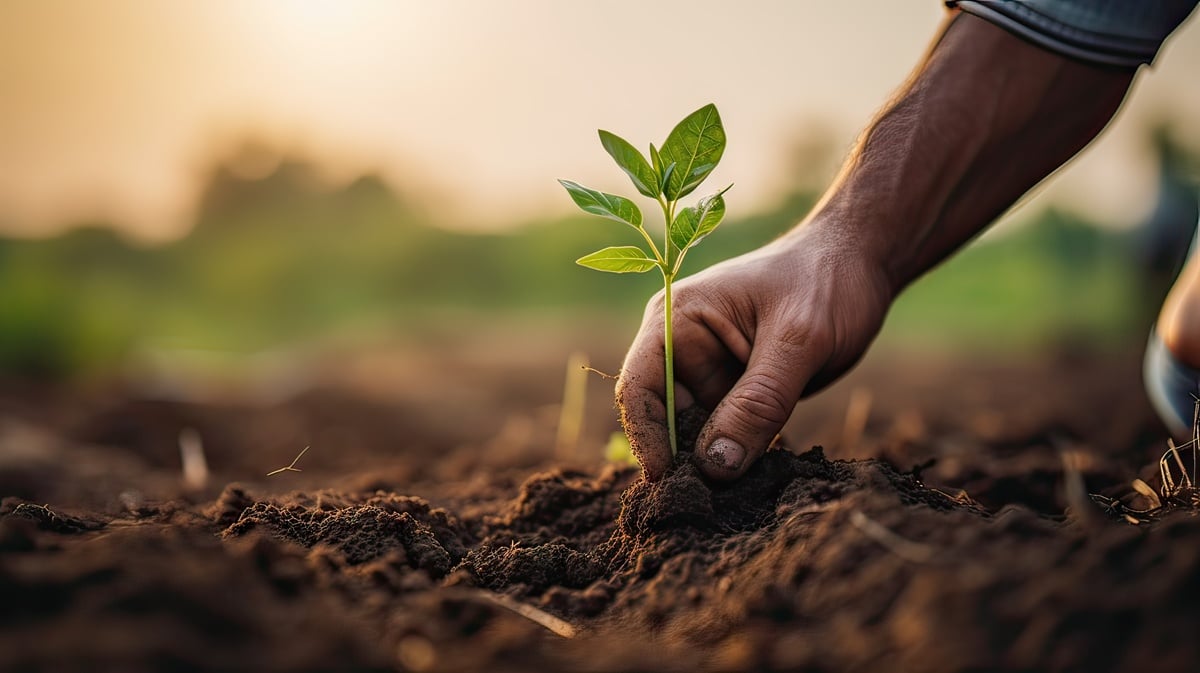
Most people still picture a green rod next to a young maple when they hear “fiberglass stake.” That product matters. It is also only the starting point.
Commercial agriculture demands more than holding a sapling upright for two seasons. Vineyard rows carry crop load and wire tension. Greenhouse bays cycle through heat, humidity, and sanitizing chemicals.

Orchard blocks take wind, irrigation, fertilizer, and machinery traffic year after year. Wood rots at the soil line. Steel rusts. Bamboo splits. Pultruded fiberglass is built for that longer, harder job.
Why Agriculture Is a Natural Fit for Pultrusion
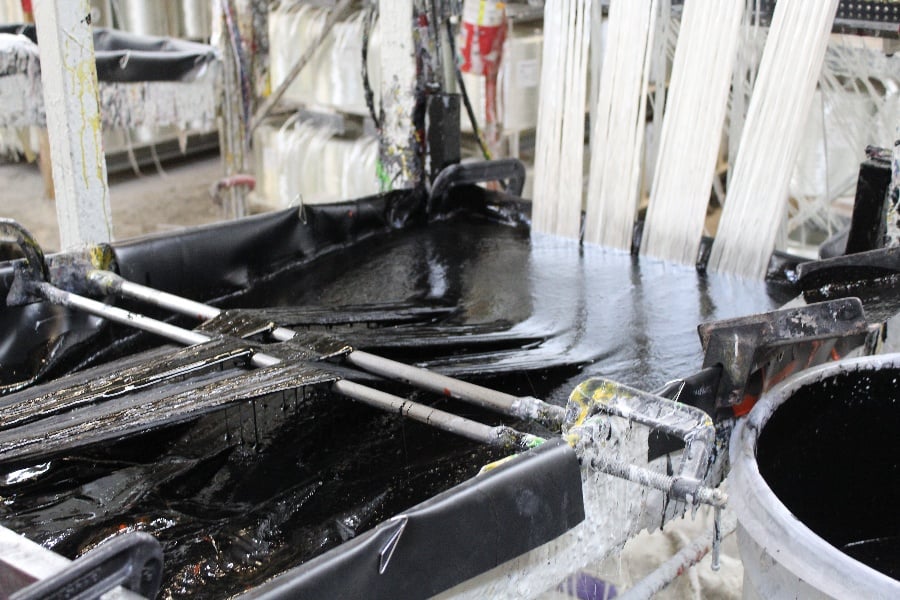
Pultrusion produces continuous, consistent profiles — rods, tubes, and custom shapes — with high strength, low weight, and no rust or rot. For growers and agricultural OEMs, those properties mean fewer mid-season failures and less replacement labor.
The material advantages that matter in the field:
- No rot, rust, or insect damage at the soil line or in wet greenhouse environments
- Chemical resistance to fertilizers, pesticides, and cleaning agents
- UV-stabilized surfaces for multi-year outdoor service
- Lightweight that speeds installation and reduces crew fatigue
- Elastic recovery under wind and crop load instead of permanent kinking
- Non-conductive construction around electric fencing and powered irrigation
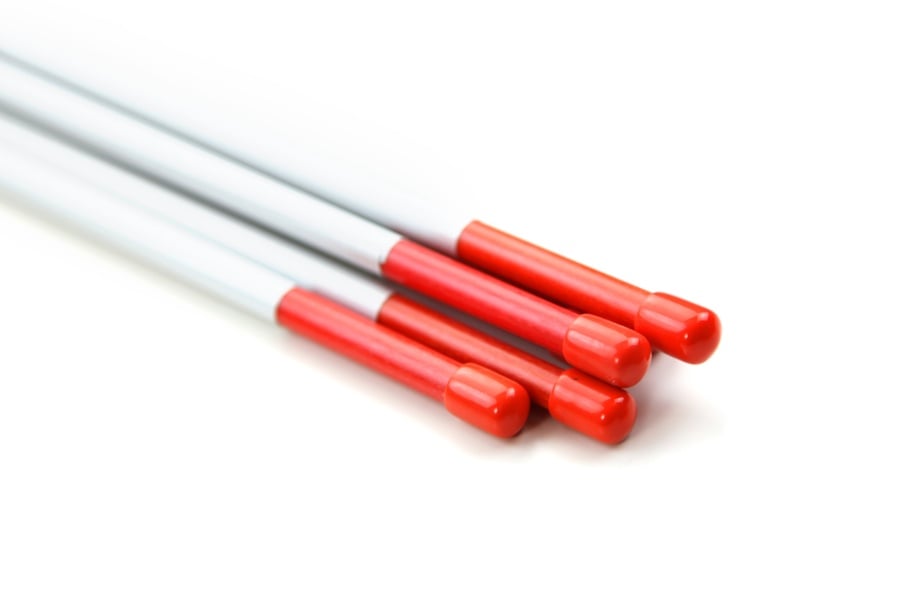
Tencom already manufactures tree stakes, plant stakes, and driveway markers that last up to 15 years with little maintenance. The same process and material toolkit scale into more demanding agricultural structures.
Vineyard and Trellis Systems
Grape, hop, berry, and cane-fruit systems need supports that hold wire tension, survive mechanical harvesting, and stay straight through wet winters and hot summers.
Pultruded rods and posts are used as:
- Individual vine training stakes
- Intermediate row supports
- End-bay and high-load posts in custom diameters
- Lightweight replacements for bent steel or rotting wood
Because fiberglass flexes and returns rather than kinking, a wind event is less likely to leave a row of permanently deformed metal. Growers also avoid the soil-line corrosion that shortens galvanized stakes and the disposal problem that comes with treated timber.
Hardware is different from wood. You do not staple into FRP the way you staple into a pine post. Plan clips, caps, pointed tips, and custom diameters with the manufacturer so the stake and trellis hardware work as a system.
Orchards, Nurseries, and High-Value Row Crops
Young trees need support long enough to establish a straight trunk. High-value tomatoes, peppers, cucumbers, and flowers need reusable stakes that can be sanitized between crops.
This is where custom pultrusion earns its keep:
- Diameters and lengths matched to crop height and wind exposure
- Pointed tips for faster driving
- Sanded or textured surfaces that hold ties without abrading bark or stems
- Colors that blend into the canopy or stay visible for crew safety
- Smooth, non-porous finishes that rinse clean in greenhouse and nursery use
Wood and bamboo are cheap on day one and expensive by year three. A reusable fiberglass stake that survives multiple seasons changes the labor math even when the piece price is higher.
Greenhouse, Tunnel, and Structural Elements
Inside a greenhouse, moisture and chemicals do the damage that frost and UV do outdoors. Wood swells. Metal condenses and corrodes. Pultruded tubes, rods, and custom profiles stay dimensionally stable and chemically inert.
Applications go beyond plant stakes:
- Hoop and tunnel reinforcement
- Crop-support wires and hanging systems
- Lightweight framing and cross members
- Marker and identification rods
- Non-conductive supports near electrical equipment
Custom engineering matters here. Wall thickness, resin system, and fiber architecture can be tuned for stiffness, chemical exposure, and service temperature instead of forcing a catalog rod into a structural role.
What Custom Engineering Changes for Ag Buyers
A standard green stake works for many jobs. Commercial systems often need more:
- Specific diameter and length for crop and embedment depth
- UV-stable resin and surface veil for long outdoor life
- Pointing, capping, or other secondary operations for field installation
- Color matching for aesthetics or visibility
- Consistent straightness and diameter for high-volume planting crews
That is the difference between buying a commodity rod and working with a pultruder that can design the profile around the farm, vineyard, or greenhouse — not the other way around.
Key Takeaways
- Pultruded fiberglass is more than a tree stake. It supports vineyards, orchards, row crops, and greenhouse structures.
- The payoff is longer service life, lower replacement labor, and resistance to rot, rust, chemicals, and UV.
- Custom diameters, tips, finishes, and resin systems make the difference in commercial installations.
- Compare lifetime cost and labor, not just the price of the first stick in the ground.
- Plan hardware and installation method with the manufacturer so clips, ties, and posts work together.
If your next block, greenhouse, or nursery program needs supports that last more than a season or two, a custom pultruded profile is worth evaluating against wood, bamboo, and steel. Tencom can review diameter, length, finish, and secondary operations against your crop and environment before committing to tooling.

FAQ
Can pultruded fiberglass be used for more than tree stakes?
Yes. Custom rods, tubes, and profiles are used in vineyard trellises, orchard supports, commercial row-crop staking, greenhouse framing, and agricultural markers.
How does fiberglass compare with wood and steel in agriculture?
Wood rots and needs frequent replacement. Steel is heavy and can rust or kink. Pultruded fiberglass resists rot, rust, and many farm chemicals, stays lighter than steel, and typically lasts many seasons when UV-stabilized.
How long do fiberglass agricultural stakes last?
Service life depends on resin, UV protection, and exposure, but quality pultruded stakes are commonly used for a decade or longer. Tencom tree stakes and similar outdoor profiles are designed for service lives of up to 15 years with minimal maintenance.
Do fiberglass vineyard posts work with standard trellis hardware?
Not always the same way wood does. FRP is not nailed or stapled like timber. Plan clips, caps, pointed tips, and wire attachments with the manufacturer so the post and hardware match.
Is custom pultrusion worth it for farms and greenhouses?
It is when you need diameter, length, finish, chemical resistance, or installation features to match a specific crop, climate, or structure. Custom work reduces mid-season failures and replacement labor that commodity stakes often create.