Umbrellas and parasols have long served an important functional purpose—providing portable shade and shelter from the sun and rain. The engineering behind these objects is often overlooked but critical to their success. At the heart of any quality umbrella or parasol lies an intelligently designed support structure that ensures stability and durability during use.
Creating supports that are structurally sound yet lightweight and easy to maneuver is an interesting engineering challenge. The ideal support must withstand significant wind loads and the weight of the canopy while facilitating easy opening and adjustment by the user. Aesthetic considerations are also important for marketability.

This article provides an overview of critical design principles, support architecture types, and material selection criteria for engineering optimized umbrella and parasol frames.
Structural Design of Supports
Engineers must consider several key principles when designing umbrella and parasol supports to ensure optimal structural integrity and usability:
Load-bearing considerations
The support structure must withstand substantial compression loads from the downward weight of the canopy and other attached accessories, as well as gravitational forces, which can exceed hundreds of pounds. Sufficient rigidity and modular reinforcements are required.
Wind resistance and stability
Lateral wind loads induce bending moments in supports and must be counteracted to prevent tipping. Wider canopy spreads increase these loads. Weighted bases or integrated outriggers/levers improve stability.
Ergonomics and user convenience
The frame should open and adjust smoothly via intuitive mechanisms (e.g., sliders, pulleys, locks) that can be comfortably operated in various contexts. Portability is also key.
Common types of support architectures include:
Central pole designs
A telescopic or collapsible central pole connected to stretchers provides a traditional single-point design. Allows full 360° rotation.
Cantilevered supports
Projecting lateral arms or a scissor-like mechanism offers a modern, open look. Provides shade coverage for off-center seating arrangements.
Collapsible and telescopic mechanisms
Folding X-shaped designs, sliding sections, and hinged joints maximize compactness for storage and transport while retaining structural integrity when opened for use.
Careful consideration of loading requirements, stability, ergonomics, and intended usage patterns informs the selection of the optimal support configuration.
Material Properties and Selection
The choice of materials for umbrella and parasol supports requires evaluating several key mechanical properties and practical considerations:
Strength and Durability
Tensile and compressive strength
Materials must withstand high axial and transverse loads without permanent deformation. Steel has high strength in tension and compression, but it can corrode. Aluminum alloys offer excellent strength-to-weight characteristics. Reinforced polymers combine strength with corrosion resistance.
Fatigue resistance
Fluctuating stresses from wind and loading/unloading can cause cumulative micro-damage and eventual failure if the endurance limit is exceeded. Materials with high yield strength, like hardened steel alloys, resist fatigue failure. Polymers can be engineered for flexibility and impact resilience.
Corrosion resistance
Prolonged outdoor exposure leads to exposure to moisture, humidity, rain, and ultraviolet radiation. Stainless steel contains chromium, which forms an impervious oxide layer that prevents surface rust. Anodized aluminum also provides a protective coating. Plastics/composites won't corrode but can degrade over time if not UV-stabilized.
Flexibility and Elasticity
Wind resistance and stability
Materials that flex slightly but elastically in response to lateral winds can better accommodate gusts without permanently deforming or collapsing the support structure. This prevents fracturing.
Elastic modulus and flexural strength
These properties correlate with flexibility; lower-modulus materials, such as engineered polymers and reinforced composites, bend more easily without yielding. This also allows them to right themselves after temporary loads are removed.
Weight Considerations
Balancing strength and portability
The density and weight of materials are considered relative to their load-bearing strength. Lightweight aluminum alloys provide excellent specific strength. Reinforced polymers and composites can also optimize the strength-to-weight ratio.
Specific strength of materials
This measures the strength per unit mass, with useful comparisons through strength-to-weight ratios and specific modulus. Materials are evaluated based on the loads they can withstand relative to their mass. Titanium alloys have among the highest specific strengths due to low density and high tensile strength.
Cost and Availability
Practical economic factors, such as cost-effectiveness and manufacturing scalability, cannot be ignored. Reinforced polymers and aluminum can provide the best balance of mechanical performance, lightweight properties, and reasonable cost for most mainstream consumer umbrella applications. More advanced materials become viable as costs drop over time.
The structural viability and quality of umbrella and parasol systems depend heavily on the advanced materials that comprise their support frameworks.
The Potential of Fiberglass
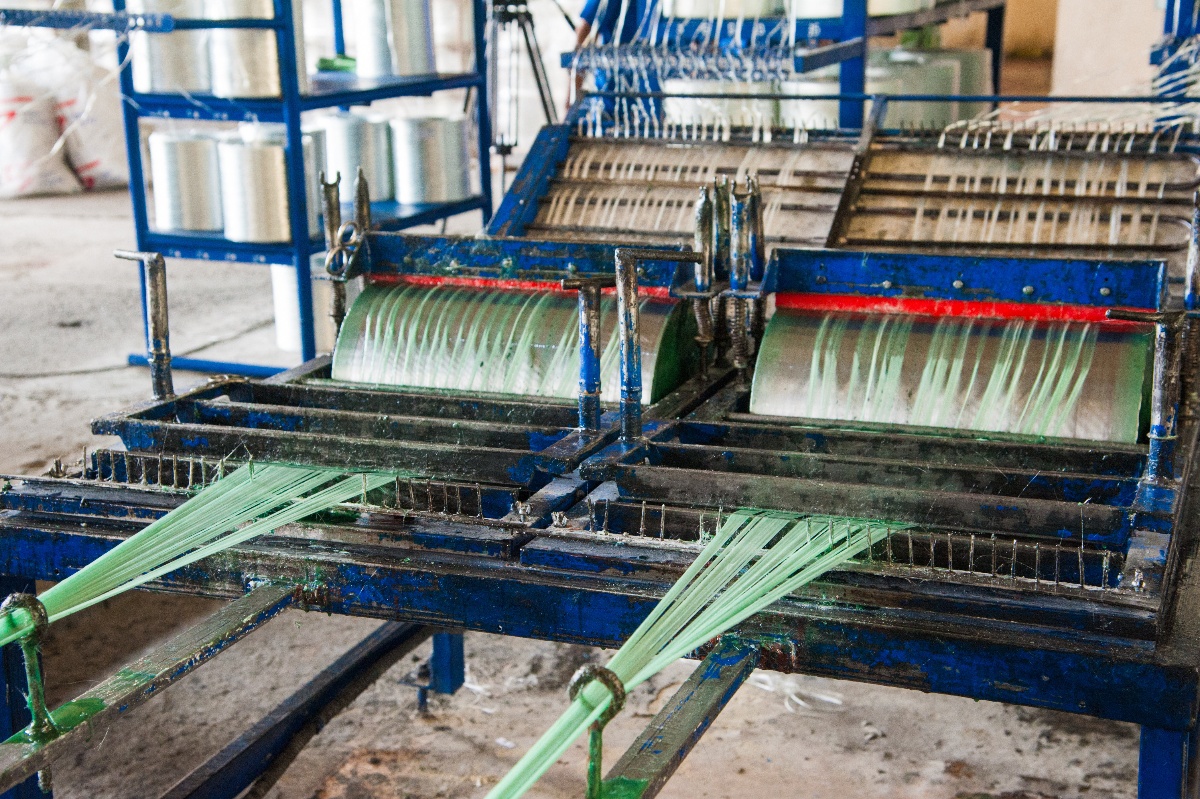
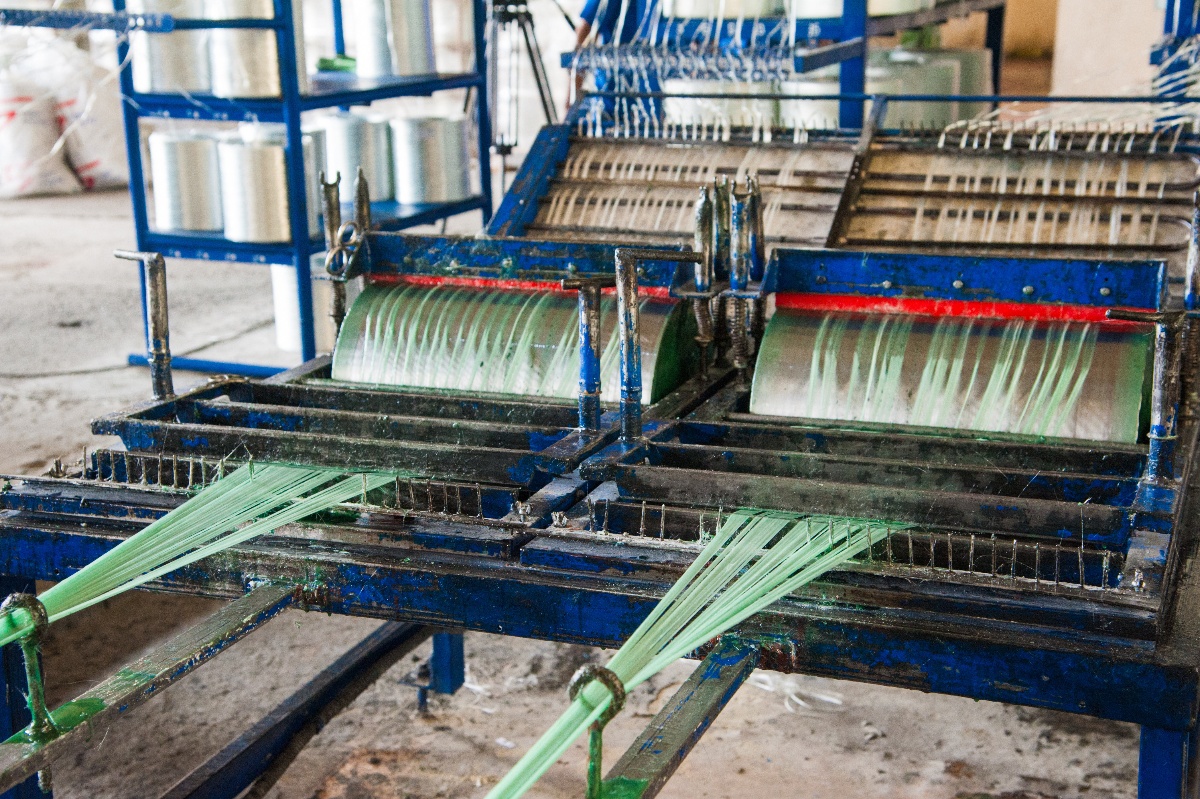
Fiberglass offers an intriguing material option for engineering the frameworks of umbrellas and parasols that require strength, resilience, and lightweight design. As a composite reinforced plastic composed of glass fibers embedded in a polymer resin matrix, fiberglass combines the tensile strength of glass with the durability and corrosion resistance of polymers.
Structural Advantages
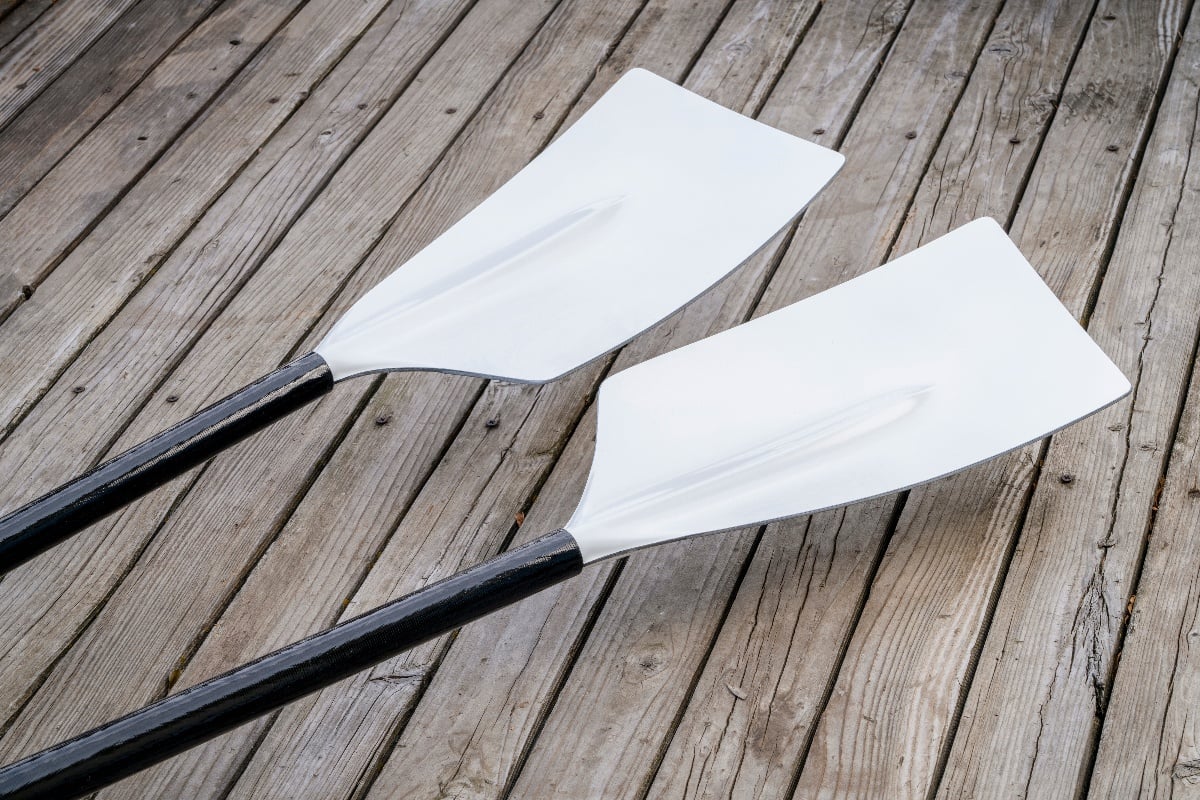
The high strength-to-weight ratio of fiberglass makes it attractive for load-bearing structures. Pound for pound, fiberglass can be stronger than steel while weighing a fraction as much. This enables the fabrication of umbrella ribs and struts that are slim, lightweight, and deceptively rigid.
Fiberglass flexes without permanent deformation, providing shock absorption against gusting winds. Variations in glass weaves, resin mixtures, and curing techniques also enable customization of mechanical properties.
Durability & Weather Resistance
Unlike metals, fiberglass will never rust, corrode, or decompose when subject to sun, heat, moisture, or humidity. Its polymer matrix resists UV radiation damage. An additional gel coat barrier can be applied against weathering. Fiberglass maintains structural integrity across decades. Furthermore, fiberglass is electrically non-conductive for user safety.
Design & Manufacturing
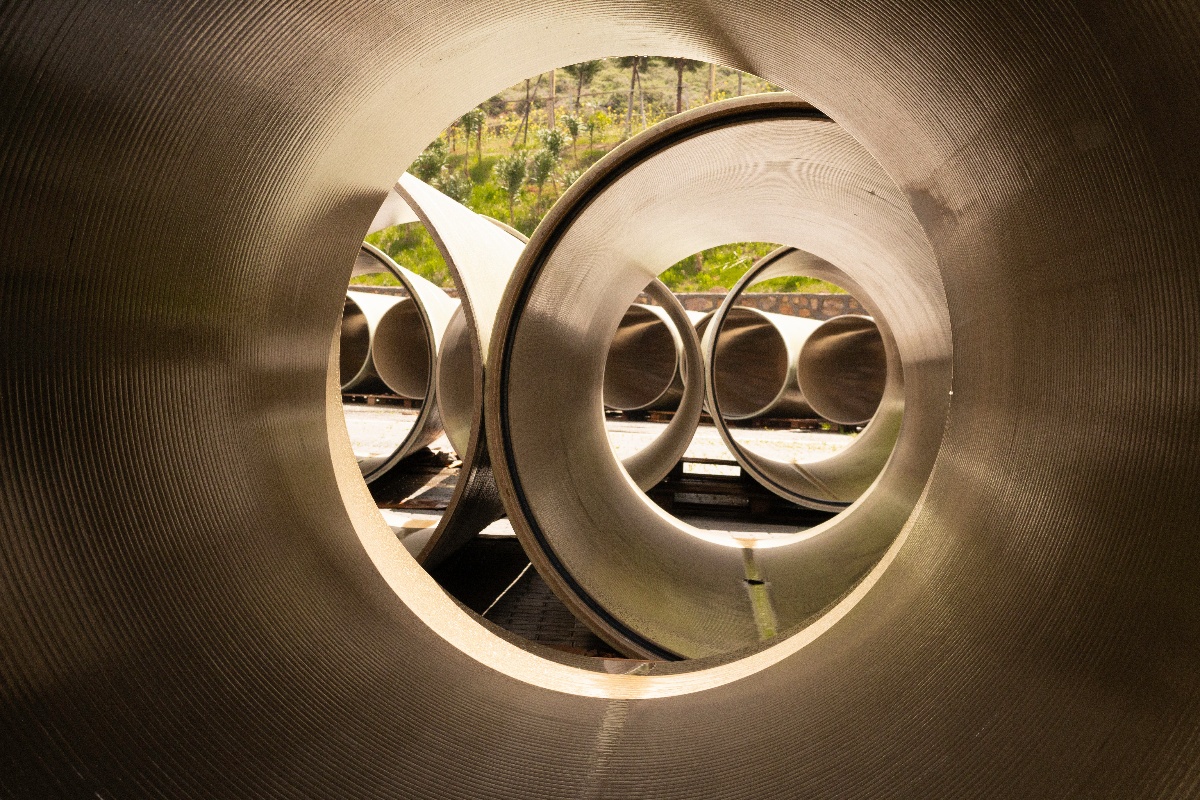
Fiberglass components can be factory-molded into diverse shapes, diameters, and strengths to meet aesthetic and functional specifications, facilitating modular or articulating umbrella designs. Hollow support rods optimize the strength-to-weight ratio while resisting buckling forces. The smooth surface finish of fiberglass looks modern and appealing. Fiberglass supports combine versatility in form and performance with cost-effective mass production.
Fiberglass is an adaptable composite material harboring excellent potential for engineering the next generation of umbrellas and parasols.