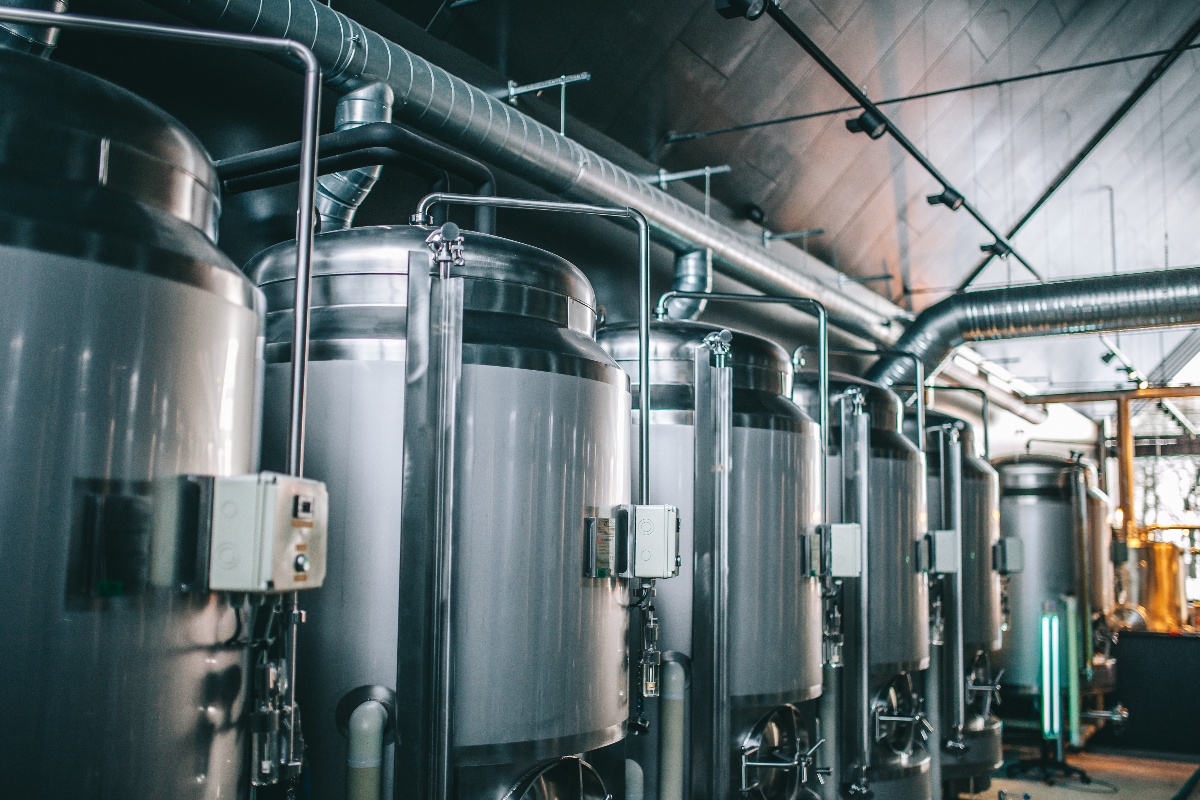
Fermentation tanks are critical components in bioprocessing facilities and industrial fermentation processes. The supports that hold these tanks in place play an equally vital role in maintaining structural integrity, safety, and process efficiency.
The design and material selection for fermentation tank supports warrants careful consideration, as suboptimal choices can undermine tank stability, enable contamination, impede cleaning, and even cause tank failure. Conversely, informed support selection, with functionality, cost, and regulatory compliance in mind, can maximize uptime, safeguard product quality, and reduce risk.
Supports must bear the load of extremely heavy tanks filled with culture media, withstand cleaning chemicals and thermal fluctuations, and resist corrosion in humid environments. At the same time, supports must meet budget constraints, be adjustable, and provide access for inspection and maintenance. As facilities look to scale up production, the implications of support selection are further amplified.

This article will explore critical design criteria for fermentation tank supports across various configurations.
Types of Supports
Fermentation tanks rely on structural supports beneath or surrounding the vessel to bear loads, maintain level, and provide seismic restraint. The spectrum of support configurations ranges from basic leg stands and rigid skirt plates to adjustable saddles that conform to unique tank geometry. Selection depends on tank size, material, facility infrastructure, and processing demands.
Leg Supports
Leg supports lift tanks off the ground and are best suited for smaller vessels up to 10,000 liters. Key advantages are mobility/repositioning capacity and ease of access for cleaning and maintenance. Limitations include instability with larger tanks and less structural reinforcement compared to other support types.
Skirt Supports
Skirt supports feature vertical plates enveloping the tank bottom, providing a solid foundation, especially for larger vessels from 10,000 liters and beyond. Skirts reinforce tank walls, prevent bulging, and enable leveling. Design variations include simple flat skirts, ribbed skirts for added support, and adjustable skirts to accommodate tank expansion/contraction.
Saddle Supports
Saddle supports cradle portions of horizontal tanks and are ideal for non-cylindrical vessels. By distributing weight more evenly, they prevent point loads that could dent the tank walls. Saddle designs must conform precisely to the tank's dimensions, reducing adjustability. While they help maintain tank integrity, saddles can hinder cleaning and inspection if not properly designed. Open channels along the saddle length can mitigate this.
Leg supports offer flexibility for smaller vessels, while skirts and saddles provide robust reinforcement for larger, specialty tanks. The demands of a specific fermentation process ultimately determine the most suitable support configuration. Facilities aiming to future-proof equipment investments must weigh all design implications.
Design Criteria for Fermentation Tank Supports
Behind every properly functioning fermentation tank is a robust, meticulously engineered support structure. While this backbone operates behind the scenes, the criteria guiding support design impact everything from tank integrity and temperature control to cleaning efficacy and operator safety.
Load-Bearing Requirements
Supports must withstand substantial dead loads, including the tank weight when empty and when filled to capacity, as well as additional dynamic loads. Overload conditions during cleaning and maintenance must also be considered. Support stiffness is calculated based on load capacity and acceptable deflection limits.
Stability & Vibration Control
Supports serve to ground tanks, prevent tipping/sliding, and enable level positioning. Support configurations minimizing vibration transfer prevent process disturbances, component fatigue, and potential contamination. Stability provisions are critical, given that tanks may store years’ worth of product.
Thermal Expansion Considerations
Temperature fluctuations can significantly expand and contract tanks. Supports must adapt to dimensional changes without causing tank buckling or warping. Configurations such as adjustable height legs and flexing plates accommodate expansion. Insulating pads can also buffer temperature differentials.
Corrosion Resistance
Since fermentation environments are hot, humid, and highly acidic or solvent-rich, supports are at high risk of corrosion. Stainless steel is best suited to these conditions. Polymer coatings also protect metal structural members.
Cleanability & Sanitation
Support geometry cannot impede tank cleaning and sanitizing. Structural members are ideally positioned beneath tanks or feature large access ports that enable spray coverage. This mitigates contamination and biofilm risks. Open frameworks promote air circulation and reduce moisture.
Properly designed supports enhance the integrity and safety of fermentation tanks while enabling—not hindering—critical cleaning and maintenance activities.
Material Properties
The physical and chemical attributes of materials fundamentally impact the functionality and longevity of fermentation tank supports in continuous service. Metallic alloys and polymers exhibit distinct mechanical and corrosion behaviors, warranting examination.
Mechanical Properties
Tensile strength indicates the maximum stress a material can withstand before failure. Yield strength is the stress at which a material undergoes permanent deformation. Supports must retain high strength across service temperatures and cycles.
Fatigue resistance is critical for adjustable, modular supports and helps prevent crack formation under repeated loads. Ductile materials that distribute localized stresses are best suited to the dynamic fermentation environment.
Chemical Properties
Stainless steel offers good corrosion resistance for fermentation, with grade 316 stainless steel being the most resistant to acids and chlorides. Polymer supports, meanwhile, offer high chemical resistance along with lower conductivity.
All support materials must demonstrate biocompatibility to avoid leaching toxic substances into fermentation media. Cleaning chemicals also impact integrity over decades of use. Accelerated exposure testing qualifies materials for intended applications.
Support material selection should align with mechanical load demands, facility maintenance protocols, and the specific chemical nature of fermentation media.
Fiberglass: A Fermentation Support Standout
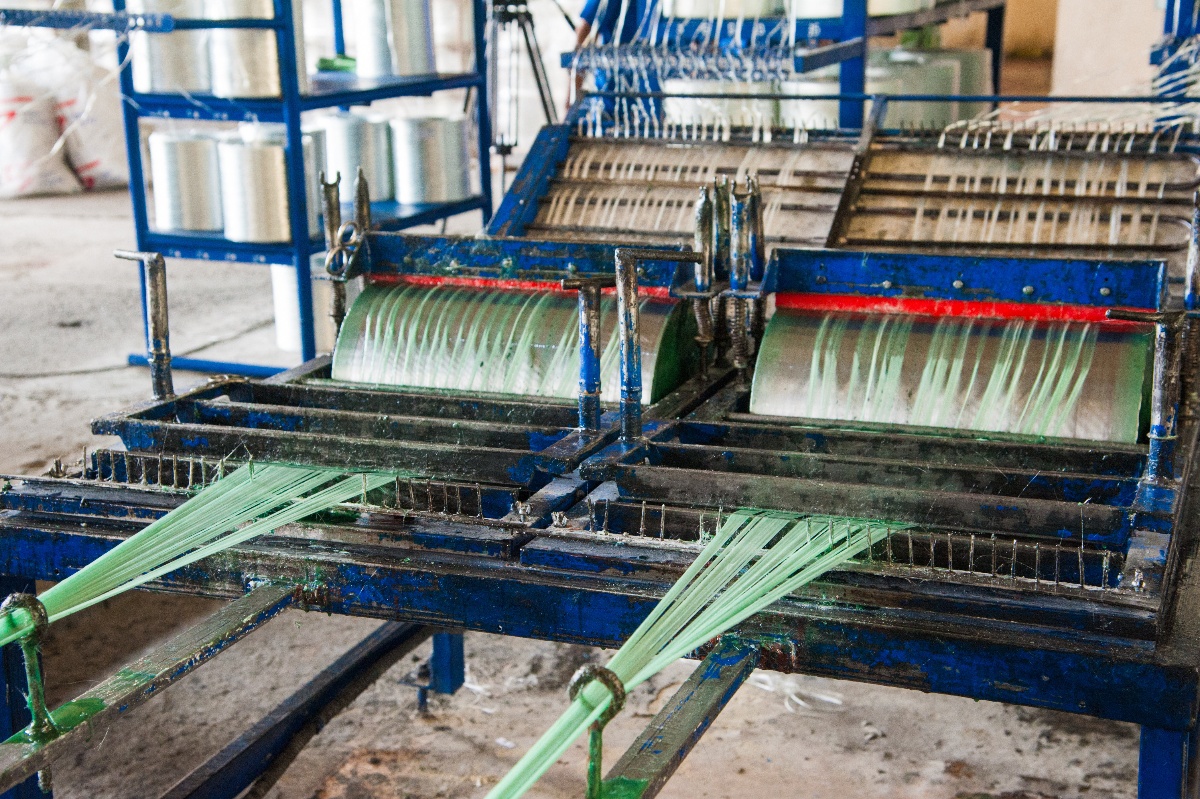
With several favorable properties, fiberglass offers a compelling option for fermentation tank support rods and structural framing. Boasting high strength-to-weight ratios comparable to steel and extraordinary corrosion resistance, fiberglass offers promise for maintaining tank integrity.
Tensile and compressive strengths of high-quality fiberglass formulations match or exceed those of common stainless steel grades. This enables slimmer yet sturdier support profiles. The smooth resin surface of fiberglass obstructs microbial adhesion while preventing the pitting and crevice corrosion that stainless steel suffers. Fiberglass is impervious to all sanitizers and industrial-grade cleaners. It also maintains mechanical properties across a broad temperature spectrum from cryogenic to elevated temperatures.
Fiberglass supports ease of transport, installation, and relocation requirements with its low density. The material reduces thermal bridging and conduction. Specifiers can minimize corrosion from dissimilar metal contact by using fiberglass attachments with stainless tanks.
While upfront costs for fiberglass are higher, its long-term durability and maintenance savings make a compelling financial case. With ballooning production demands, fiberglass stands ready to take fermentation support to new heights.