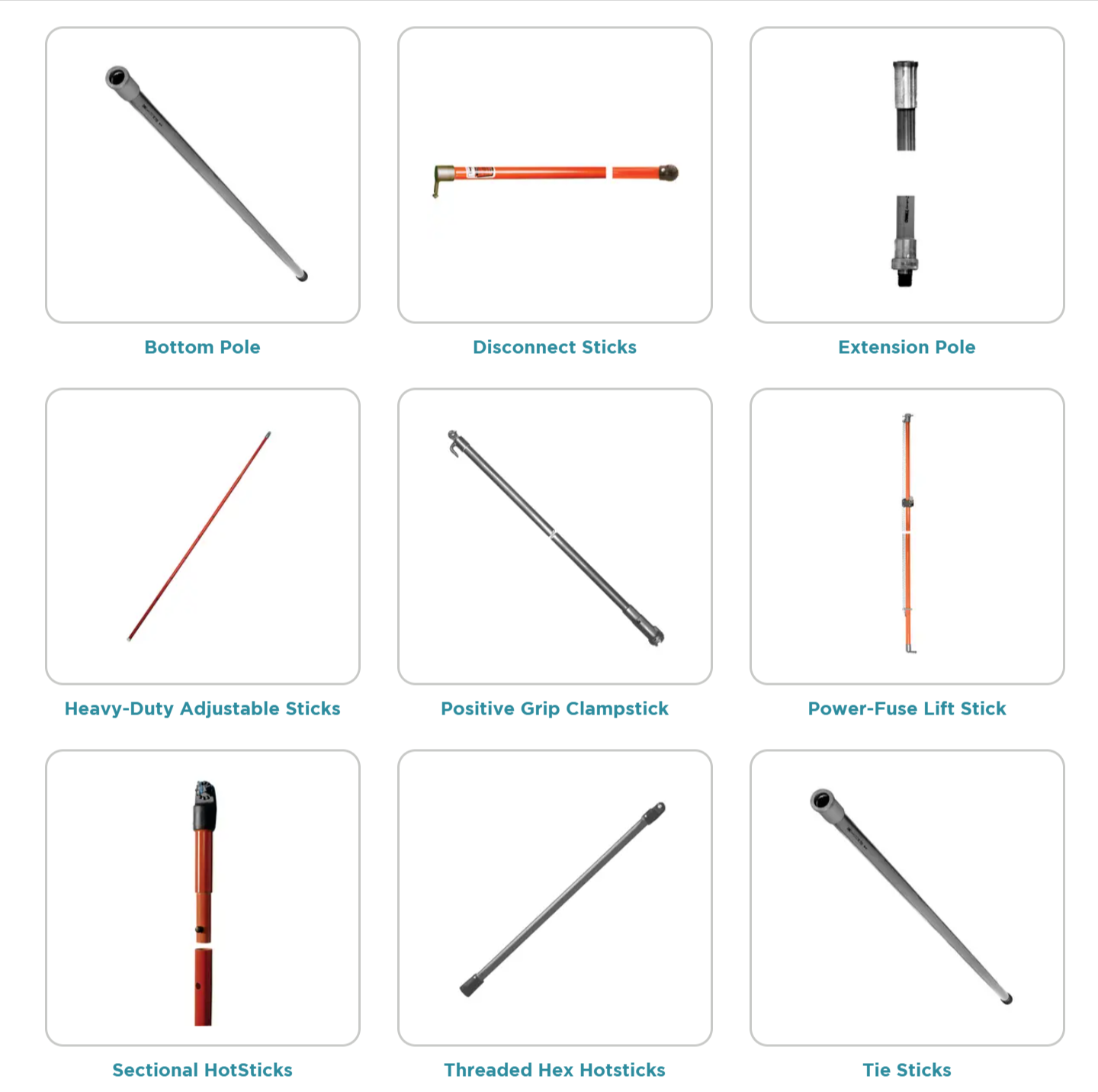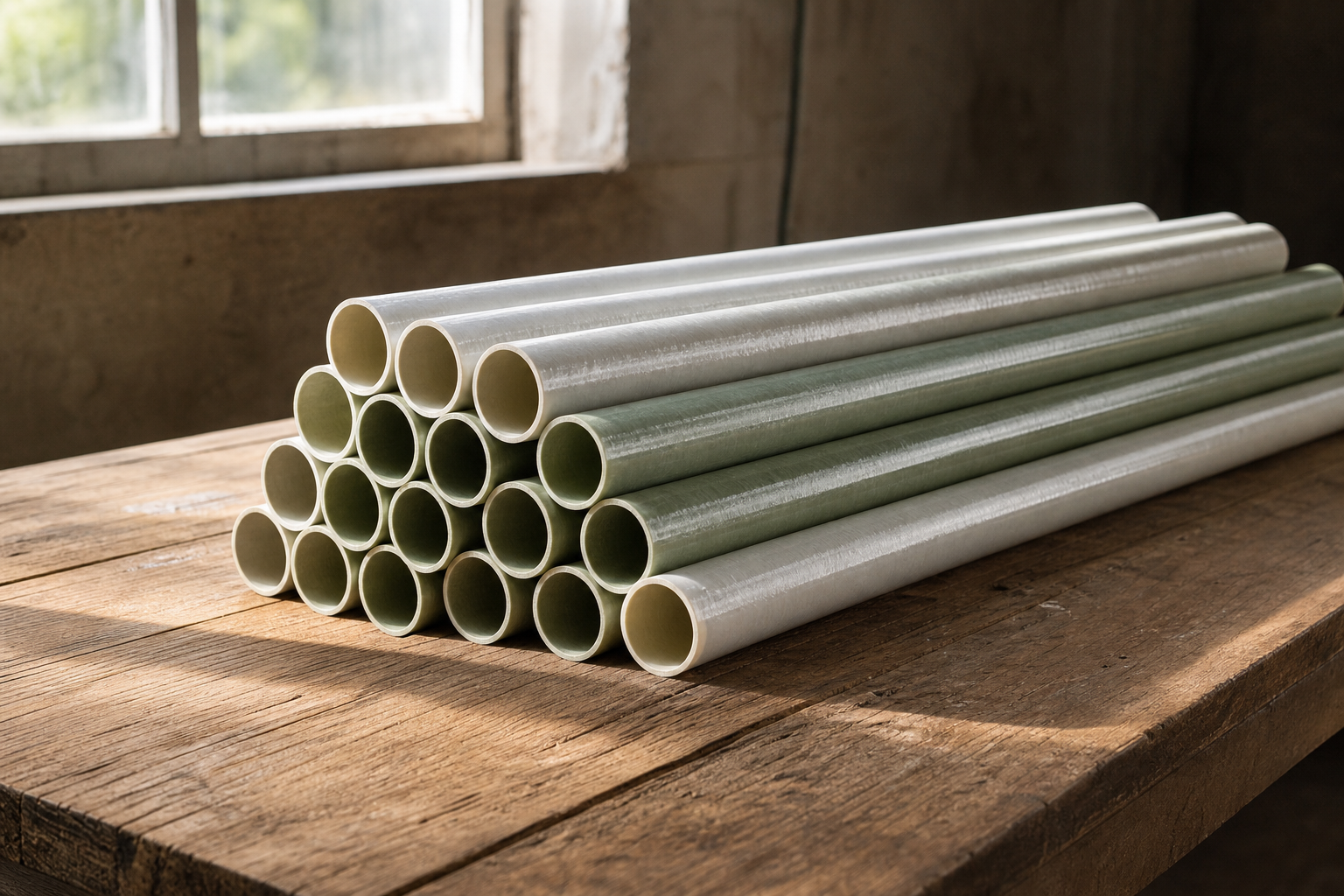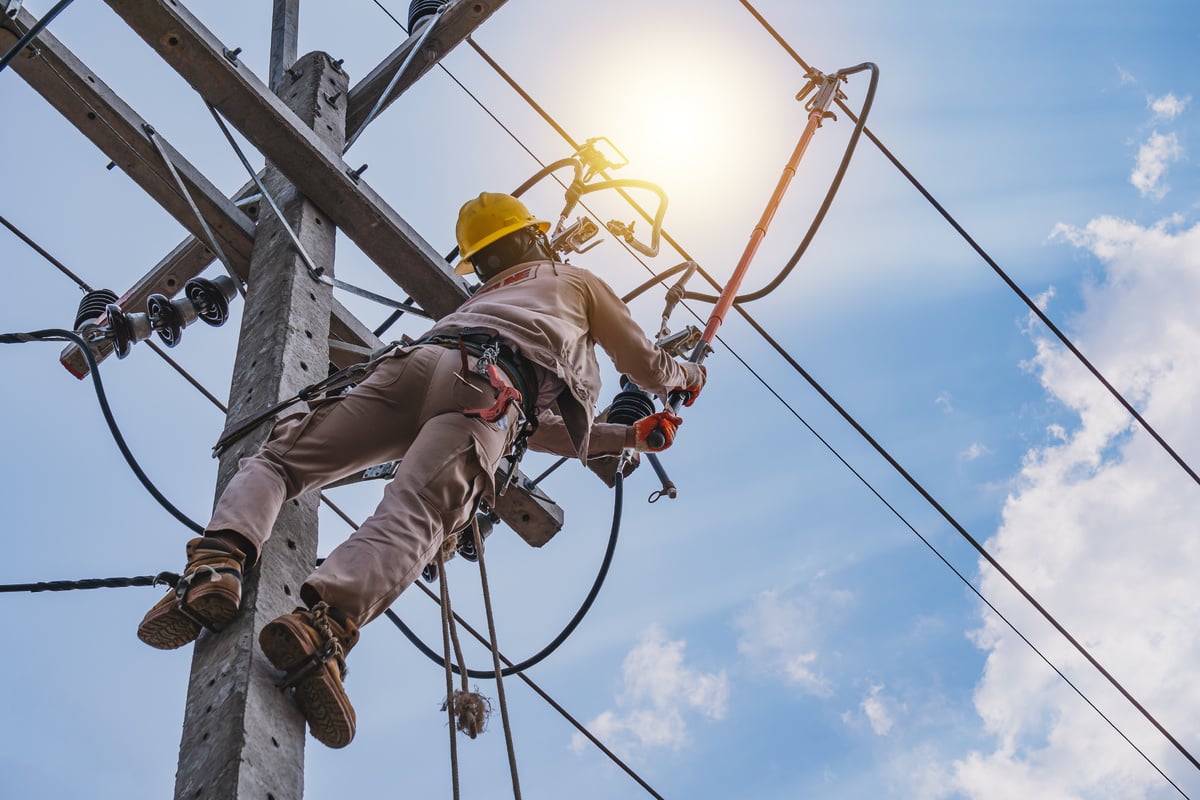
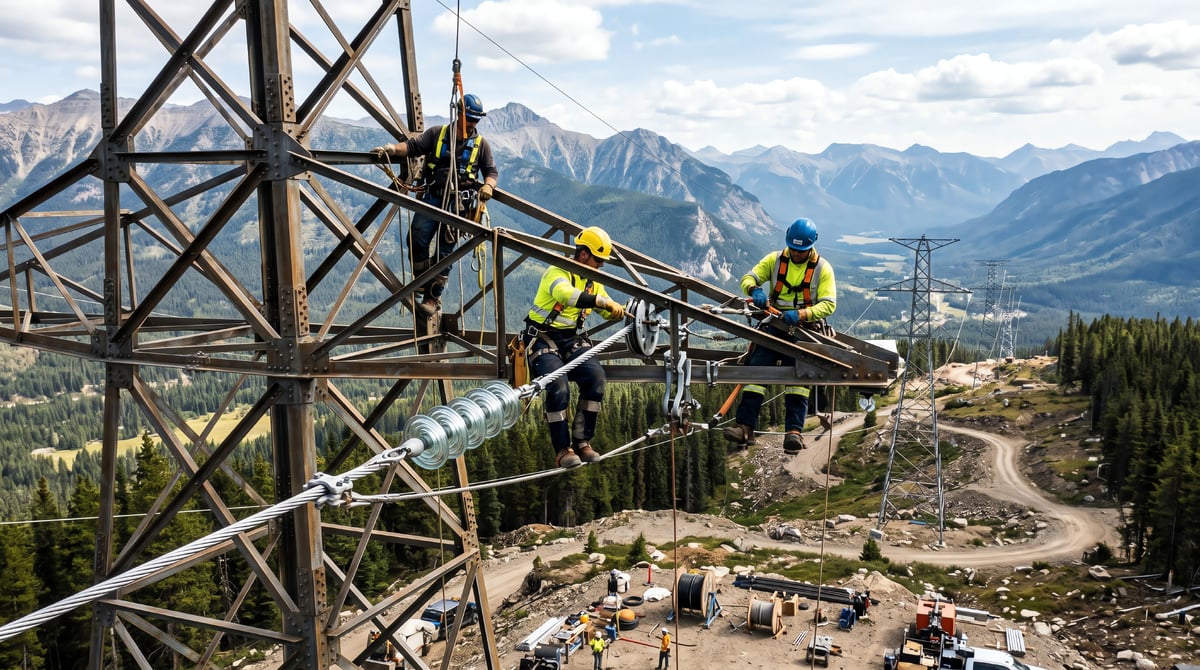
Choosing the right handle material for live-line tools can mean the difference between a routine shift and a dangerous incident. For electrical utility crews, fiberglass tool handles deliver the insulation, durability, and lightweight performance that hot line work demands.
This article breaks down the specific properties that make pultruded fiberglass the preferred handle material for linework. You'll learn how insulation performance, moisture resistance, and fiber architecture contribute to crew safety on energized equipment.

Key Takeaways: What Makes Fiberglass Tool Handles Safer for Linework
- Fiberglass tool handles are non-conductive, forming a critical insulating barrier between linemen and energized electrical equipment.
- Pultruded fiberglass resists moisture absorption, maintaining dielectric strength in rain, humidity, and temperature swings.
- High strength-to-weight ratios reduce crew fatigue during extended hot line work shifts on utility poles.
- Tencom engineers custom pultruded handles with application-specific resin systems matched to your operating environment.
- Fiberglass handles outlast wood by four to five times, lowering total cost of ownership for utility fleets.
What Makes Fiberglass Non-Conductive for Electrical Linework?
Fiberglass tool handles achieve their insulating properties through a combination of E-glass fibers and thermoset resin systems. The glass fibers themselves are natural insulators, and the resin matrix encapsulates them to prevent any electrical pathway from forming through the handle wall.
Handles manufactured to ASTM F711 standards are tested at 100 kV per foot for five minutes with minimal leakage current. This dielectric withstand rating exceeds the testing threshold set by OSHA 1910.269 for primary employee protection tools used during live-line operations.
Wood handles, by contrast, absorb moisture and minerals over time. A damp wooden handle becomes a conductor, not an insulator. Pultruded fiberglass eliminates that risk entirely because the material itself does not absorb water.
How Does Moisture Resistance Protect Utility Crews?
Water creates conductive paths through tool handles. When moisture penetrates a handle's wall or accumulates inside a hollow tube, it compromises dielectric strength without leaving any visible external damage.
Foam-filled fiberglass handles address this at the source. Closed-cell foam blocks condensation from forming inside the tube during temperature cycling. The sealed construction also prevents water from wicking through the fiberglass matrix at ferrule connections.
This moisture resistance keeps insulation performance consistent across wet working conditions, high-humidity days, and seasonal temperature swings that would degrade wood or hollow composite alternatives.
Why Does Fiber Architecture Matter for Handle Safety?
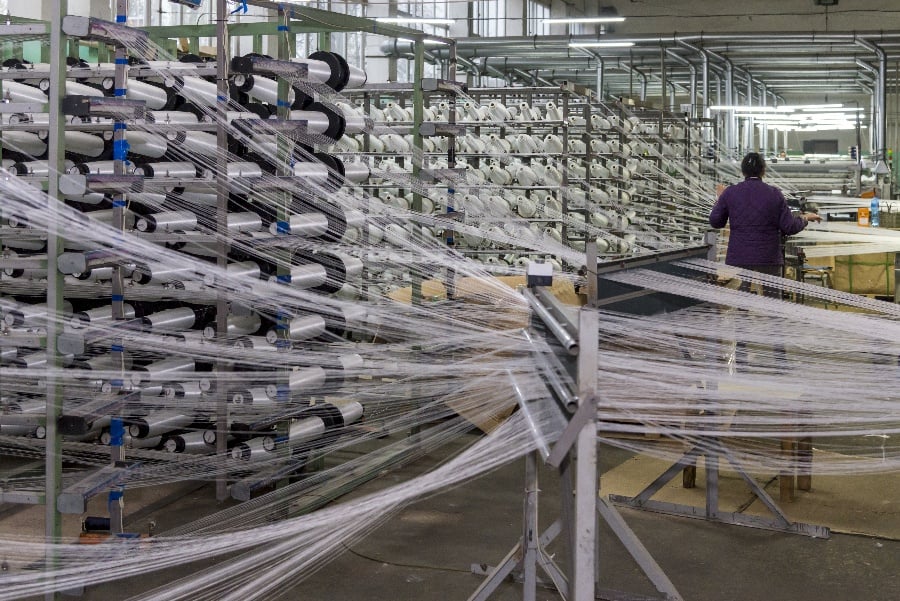
The pultrusion process aligns unbroken glass rovings lengthwise through a heated die under controlled tension. This fiber architecture creates handles with predictable mechanical and electrical properties from the first unit to the last in a production run.
Consistent fiber orientation means uniform wall thickness, resin distribution, and flexural strength across every handle. Your inspection protocols can focus on maintaining performance rather than compensating for batch variation.
At Tencom, custom pultrusion means working backward from your specific requirements. Our engineers look at the whole picture: mechanical loads, environmental exposure, electrical ratings, and installation constraints. Then we recommend the right resin matrix, reinforcement package, and profile geometry to hit your targets.
How Do Fiberglass Handles Reduce Fatigue During Hot Line Work?
A 12-foot hot stick feels considerably heavier after eight hours on a windy ridge. Crew fatigue affects precision, reaction time, and the ability to maintain safe working practices throughout a full shift.
Pultruded fiberglass delivers the flexural and torsional strength of heavier materials at roughly 70 to 80 percent of the weight. The unidirectional fiber orientation maximizes bending resistance while keeping overall mass low enough for comfortable extended use.
Lighter handles also mean crews can carry more tools per truck without exceeding load limits. Faster handling at full extension translates to quicker job completion and fewer fatigue-related safety incidents across the fleet.
What Role Does UV and Weather Stability Play in Handle Longevity?
Utility tool handles face years of direct sunlight, temperature extremes, and exposure to hydraulic fluids, industrial oils, and road salts. UV-stabilized resin systems block ultraviolet radiation from degrading the polymer matrix over time.
Quality fiberglass handles incorporate UV stabilizers throughout the material during pultrusion, not as surface coatings that wear away. This integral protection maintains both mechanical properties and dielectric performance across a service life that routinely exceeds ten years.
When you factor in a service life four to five times longer than wood, fewer replacement cycles and less failed-inspection downtime shift total cost of ownership in favor of fiberglass for most utility fleets.
How Tencom Engineers Custom Handles for Electrical Utility Applications
Tencom manufactures pultruded fiberglass tool handles specifically engineered for electrical utility work. Because we've been focused on pultrusion for nearly 30 years, we can often suggest small changes to resin selection, fiber architecture, or profile geometry that deliver outsized safety and performance gains.
Our engineers sit down with your team (or your drawings) and look at the whole picture:
- Dielectric rating requirements for your voltage class
- Environmental exposure conditions (UV, chemicals, temperature range)
- Mechanical load cases and safety factors for your specific tools
- Secondary operations you need (machining, drilling, chamfering)
Tencom's lower order minimums let you optimize your tool program incrementally rather than committing to warehouse-scale quantities. That single-source approach, from engineering through fabrication, reduces lead times, minimizes handling damage, and gives you one accountable partner for the finished handle.
In Conclusion: Choosing Fiberglass Tool Handles for Safer Linework
If you've been fighting the same handle failures on project after project, or accepting "close enough" insulation performance from catalog options, it's worth looking at what a custom-engineered fiberglass handle can deliver for your crews.
The combination of non-conductive insulation, moisture resistance, consistent fiber architecture, and long-term durability makes pultruded fiberglass the clear choice for hot line work across electrical utility applications. Start a conversation with Tencom's engineering team to find out whether a custom pultruded handle makes sense for your specific application.
FAQs About Fiberglass Tool Handles for Linework
Are fiberglass tool handles required by OSHA for hot line work?
OSHA 1910.269 requires live-line tools to meet specific dielectric testing standards, and fiberglass handles manufactured to ASTM F711 meet those requirements. Tencom engineers handles that meet or exceed these standards for primary employee protection during energized work.
How long do fiberglass tool handles last in utility applications?
Properly maintained pultruded fiberglass handles routinely exceed ten years of field service. Tencom's UV-stabilized resin systems and foam-core construction are designed for the harsh outdoor exposures common in utility environments, extending usable life well beyond wood alternatives.
Can fiberglass tool handles be customized for specific utility tools?
Yes. Tencom offers custom profiles including different diameters, wall thicknesses, resin formulations, and end configurations matched to your specific tool heads. Our in-house capabilities cover machining, drilling, and other secondary operations so you receive handles ready for the field.
Do fiberglass handles lose insulation properties when wet?
No. Pultruded fiberglass does not absorb water, so its dielectric strength remains stable in wet conditions. Foam-filled construction blocks internal moisture accumulation, keeping insulation performance consistent even during heavy rain or high humidity.
What makes Tencom's fiberglass tool handles different from standard catalog options?
Tencom starts with your specific requirements and works backward to the right resin system, fiber architecture, and profile geometry. This engineering-first approach, backed by nearly 30 years of focused pultrusion experience, delivers handles built for your exact operating conditions, not generic specifications.