In an era of rising material prices, supply chain volatility, and increasing emphasis on lifecycle performance, budget-conscious engineers and procurement teams are scrutinizing every dollar. Fiberglass pultrusion—producing high-strength, corrosion-resistant profiles like tubes, rods, angles, and custom shapes—often carries a higher upfront price tag than traditional materials like steel or aluminum. But does the initial premium deliver real value over time?

This detailed cost analysis examines upfront expenses, tooling requirements, long-term savings from low maintenance and exceptional longevity, and return on investment (ROI) to determine whether fiberglass pultrusion is a sound investment.
Upfront Costs: Higher Initial Price, Competitive Value
The raw material and production costs for pultruded fiberglass profiles typically range from $5–$15 per linear foot for standard beams or $2–$10 per pound, depending on resin type, fiber volume, and level of customization. For example:
- 4" diameter tubing: Approximately $18 per linear foot initial cost.
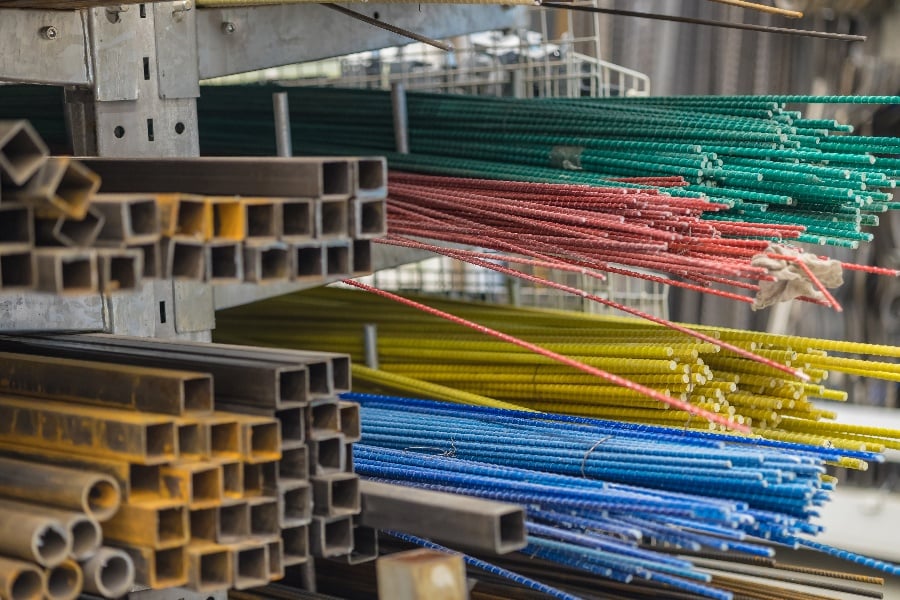
- GFRP rebar (#4 bar): $0.80–$1.10 per foot in 2025 pricing, competitive with epoxy-coated steel ($0.85–$1.10/ft) but 20–35% higher than basic uncoated steel.
Comparatively:
- Steel equivalent: $12/ft
- Aluminum: $20/ft
While fiberglass commands a 50–150% premium over standard steel up front, its superior strength-to-weight ratio (often allowing thinner profiles) and reduced need for secondary processing can narrow the gap. Volume discounts (10–20% for orders over 5,000 ft) and resin choices—polyester baseline vs. vinyl ester (+15–40%) or epoxy (+50–80%)—provide flexibility for cost optimization.
Tooling Investment: A One-Time Commitment
Custom pultrusion requires dedicated tooling, with production dies costing $7,000–$25,000 based on profile complexity, size, and tolerances. This is a fixed upfront investment amortized over production runs, often becoming cost-effective for orders exceeding the 5,000 linear feet minimum.
Unlike metal extrusion or casting, which may incur ongoing die maintenance, pultrusion tooling is durable and supports high-volume, consistent output. For standard profiles, manufacturers such as Tencom often maintain in-house tooling libraries, thereby eliminating or reducing this barrier for repeat or catalog items. In 2026, advancing automation may further lower effective tooling costs through faster die design and 3D-printed prototypes.
Long-Term Savings: Low Maintenance and Exceptional Longevity
The true value of fiberglass pultrusion emerges over decades. Pultruded profiles boast near-zero maintenance requirements—no painting, galvanizing, or frequent inspections—thanks to inherent corrosion, UV, and chemical resistance.
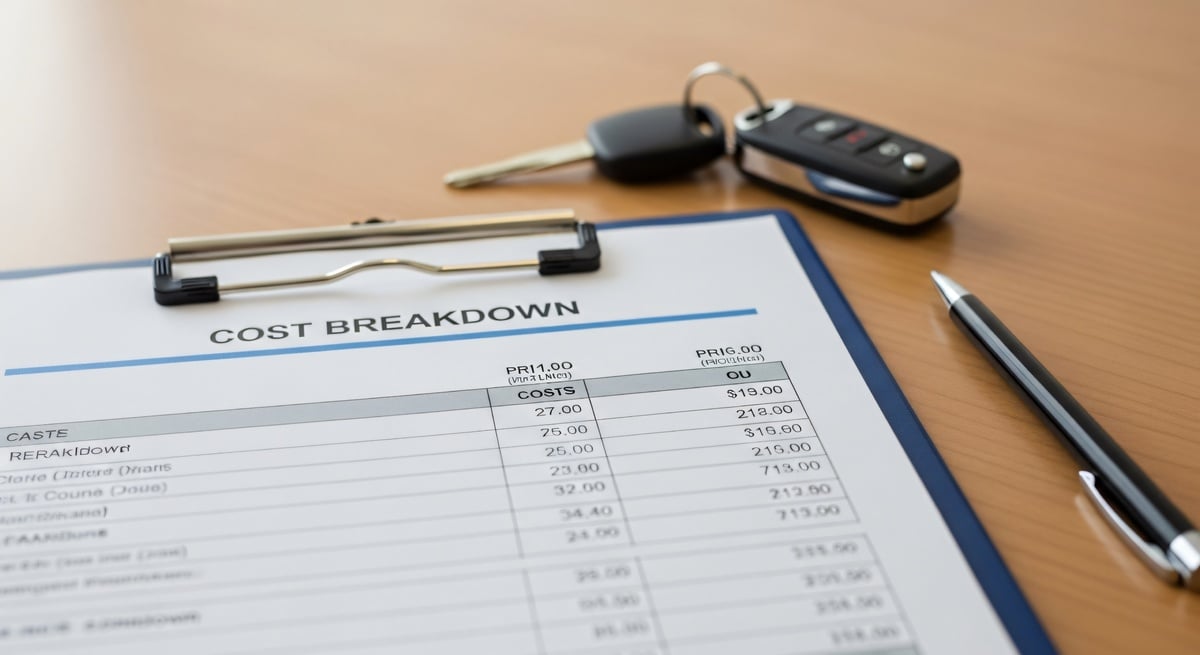
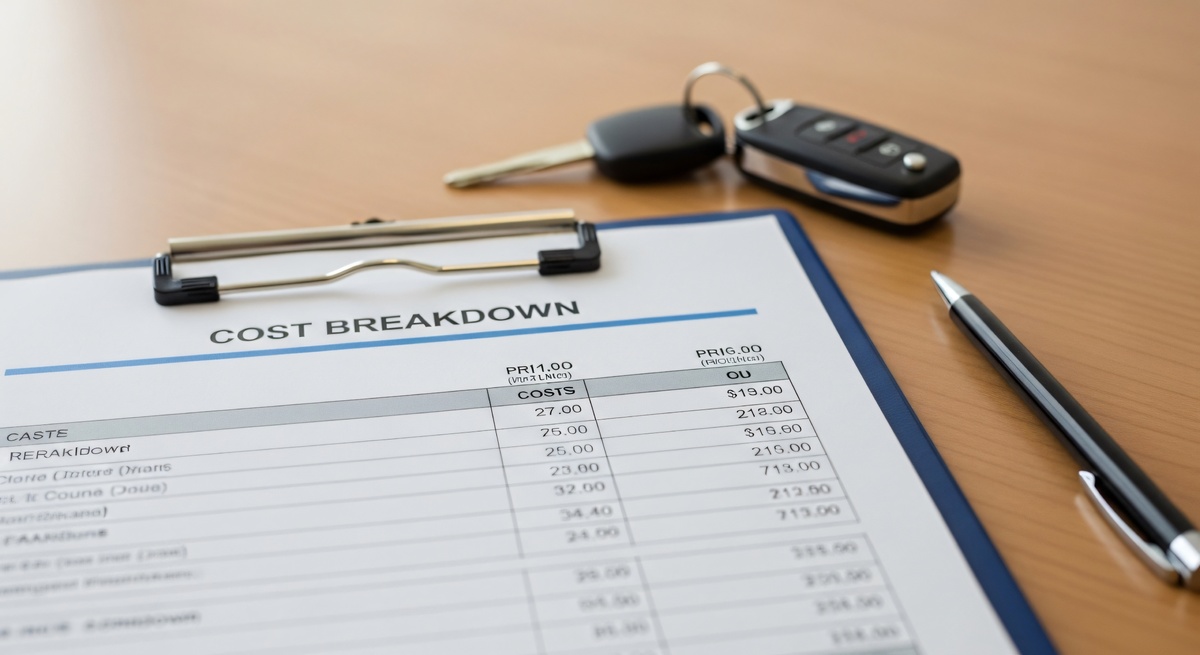
20-Year Total Ownership Cost Analysis (per linear foot, 4" tubing):
- Fiberglass: $33/ft (Initial $18 + Transport $2 + Installation $8 + Maintenance $5)
- Steel: $130/ft (Initial $12 + Transport $8 + Installation $25 + Maintenance $85)
- Aluminum: $75/ft (Initial $20 + Transport $5 + Installation $15 + Maintenance $35)
Key drivers of savings:
- Maintenance: Fiberglass incurs approximately $5/ft over 20 years (routine inspection only), compared with $85/ft for steel (recoating cycles every 5–7 years) and $35/ft for aluminum.
- Longevity: Service life of 50–75 years in corrosive environments, compared to 15–25 years for steel and 20–30 years for aluminum. This eliminates 2–3 replacement cycles.
- GFRP rebar example (1,000 ft #4): 50-year lifecycle cost $1,270 vs. $3,430 for black steel (57–63% savings), with no replacements needed.
In harsh settings like chemical plants or marine docks, these savings compound dramatically—up to 60–75% lower lifecycle costs versus steel.
Installation & Transportation Efficiencies
Fiberglass's 75% lighter weight than steel (and 30% lighter than aluminum) slashes ancillary costs:
- Transportation: $2/ft vs. $8/ft steel (80–90% lower shipping due to reduced tonnage).
- Installation: $8/ft vs. $25/ft steel—40–60% faster completion, smaller crews (2-person manual handling), and 70% less heavy equipment (crane savings of $1,200–$2,500/day).
For a 500 ft chemical piping project, this resulted in $35,000 in installation savings and a 60% reduction in time.
ROI Analysis: Payback in 2–5 Years
ROI calculations consistently favor fiberglass for projects with 10+ year horizons:
- Chemical processing case study: $125,000 initial investment yielded $720,000 in 20-year savings (476% ROI).
- Marine dock reconstruction: Lifecycle cost $95/ft vs. $350/ft for wood (73% reduction).
- Bridge/structural applications: Up to 35% lower total installed cost due to faster labor and minimal rework.
Break-even typically occurs within 2–5 years, after which pure profit from avoided maintenance and replacements accrues. For corrosive environments (>1,000 ppm chloride) or design lives >25 years, fiberglass delivers a lifetime cost reduction of 60% or more.
Considerations for 2026 & Beyond: Market Trends Favor Composites
The fiberglass composites market is projected to grow steadily, with GFRP reaching $84.3 billion by 2030 (5.5% CAGR) and overall FRP composites hitting $137.7 billion. Scaling production, bio-based resins, and sustainability mandates (e.g., lower embodied carbon) are expected to stabilize or modestly reduce costs by 1–3% annually. Regulatory pressures on steel's corrosion-related emissions and maintenance waste further tilt the economics toward pultrusion.
Conclusion: A Worthwhile Investment for Long-Term Budget Control
While upfront costs for fiberglass pultrusion exceed those of conventional steel, a comprehensive cost breakdown—accounting for tooling amortization, negligible maintenance, extended service life, and installation efficiencies—demonstrates clear superiority in total cost of ownership. For budget-conscious teams prioritizing ROI over the next 20–50 years, fiberglass pultrusion isn't just worth the investment—it's often the most economical choice.
At Tencom, we specialize in custom pultruded fiberglass solutions tailored to your specifications, helping maximize value from day one. Contact our engineering team today for a personalized cost analysis and quote on your next project. Let's build smarter, longer-lasting structures together.