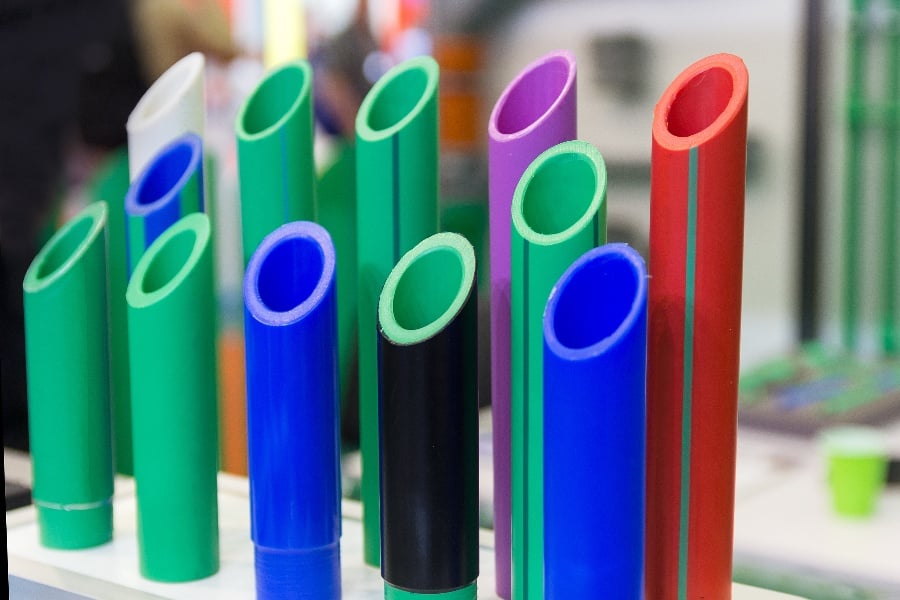


The automotive industry is constantly seeking ways to improve efficiency, reduce emissions, and enhance performance. One emerging technology that is gaining traction in this pursuit is fiberglass pultrusion. Fiberglass pultrusion involves pulling continuous fibers through a resin bath and then shaping them into a desired profile using a heated die. This manufacturing technique offers several advantages that make it ideal for lightweight vehicle components.

The use of fiberglass pultrusion in the automotive industry provides cost-effective and sustainable solutions. Pultruded products have low maintenance requirements and lower thermal expansion, leading to long-term cost savings. Additionally, these products are lightweight, resulting in higher speeds, improved fuel economy, and lower emissions.
They also exhibit heat and corrosion resistance, high strength-to-weight ratios, dielectric properties, and dimensional stability, making them suitable for various automotive applications.
Advantages of Fiberglass Pultrusion in Automotive Applications
One of the primary advantages of using fiberglass pultrusion in automotive applications is the production of lightweight and durable components. Pultruded products are lighter, which contributes to higher speeds, improved fuel economy, and reduced emissions. The high strength-to-weight ratios of these products also enhance the overall durability of automotive components.
Another significant advantage is the cost-effectiveness and sustainability of pultruded products. They offer long-term cost savings due to their lower maintenance requirements and lower thermal expansion. The use of fiberglass pultrusion in automotive manufacturing also aligns with environmental sustainability goals, as it reduces vehicle weight, thereby improving fuel efficiency and reducing emissions.
Furthermore, the versatility and customizability of pultruded products make them highly suitable for automotive applications. These products can be manufactured in straight or curved formats, increasing their usability in the automotive market. Moreover, they can be customized with respect to the resin matrix, composite reinforcement, shape, and design to meet specific requirements.
Applications of Fiberglass Pultrusion in Automotive Manufacturing
Fiberglass pultrusion is widely used in the manufacture of structural components for automobiles. These components provide strength, durability, and high-impact energy-absorbing capacity. Bumper beams, made of glass fiber-reinforced plastics (GFRP) composites, are also widely used in the automotive industry. These bumper beams offer low cost, optimal impact performance, and reduced weight compared with traditional materials.
In addition to structural components and bumper beams, pultruded products have various other applications in the automotive industry. They are used in handles, tool handles, and custom profiles, owing to their lightweight, strength, and durability. The versatility of pultruded fiberglass enables the fabrication of complex shapes and designs, thereby meeting the specific requirements of automotive applications.
Market Trends and Growth Opportunities
The demand for pultruded products in the automotive sector is currently high and is expected to grow further. The automotive industry is increasingly important to the carbon composites market, and pultruded products play a significant role in meeting the industry's lightweight and performance requirements.
The market value of pultrusion products exceeded USD 3 billion in 2021 and is projected to continue growing. The market is projected to exceed USD 4 billion by 2030.
Future Prospects and Industry Outlook
The global fiberglass market is projected to reach USD 25,525.9 million by 2028, with a growing demand for low-emission lightweight vehicles contributing to market growth. The Asia-Pacific region is expected to account for a large market share due to the flourishing construction industry and the growing demand for electric vehicles in countries such as India, Indonesia, Thailand, and China.
In light of the growing demand and market opportunities, Tencom, a custom manufacturer of pultruded fiberglass products, offers design, engineering, and manufacturing services tailored to specific requirements. They provide personalized solutions and have extensive industry experience.
In conclusion, fiberglass pultrusion is a promising technology in the automotive industry. Its advantages in terms of lightweight, durability, cost-effectiveness, and sustainability make it an attractive choice for manufacturers. The current demand for pultruded products is high, and the market is expected to continue to grow, driven by the need for lightweight vehicles and environmental sustainability.