Are you a design engineer or a purchasing manager? Does your company manufacture products that utilize our fiberglass rods, tubes, channels, angles, or bars?
Worry no more; we have a superior solution for every pultrusion, pultrusion resin, or pultrusion product. Pultruded items have experienced dramatic growth over the years. This is hardly surprising given that they have a variety of enticing features. For instance, they offer outstanding durability and are also eco-friendly.

Their appealing properties are attributed to several reasons, the key one being the pultrusion resins employed in the pultrusion production process. Here is what you need to know about pultrusion and its products.
The Different Types of Pultrusion Resins
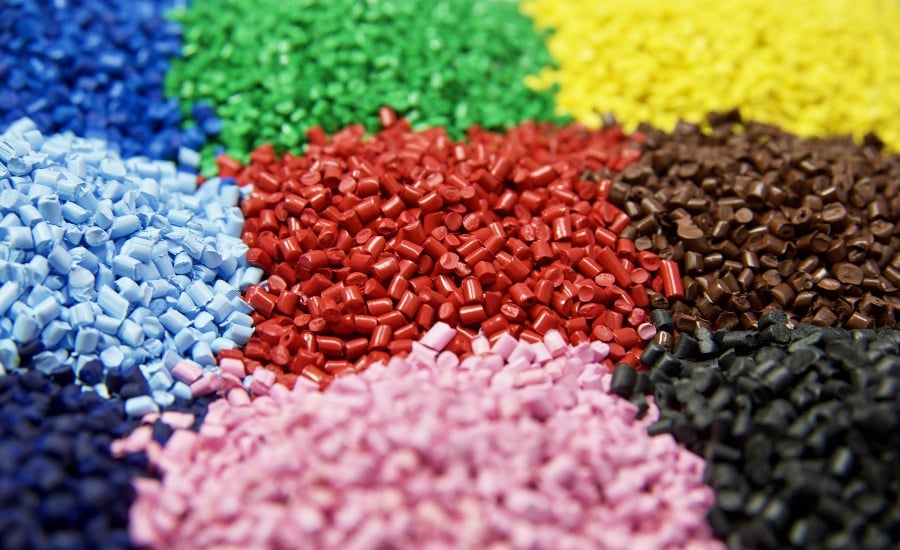
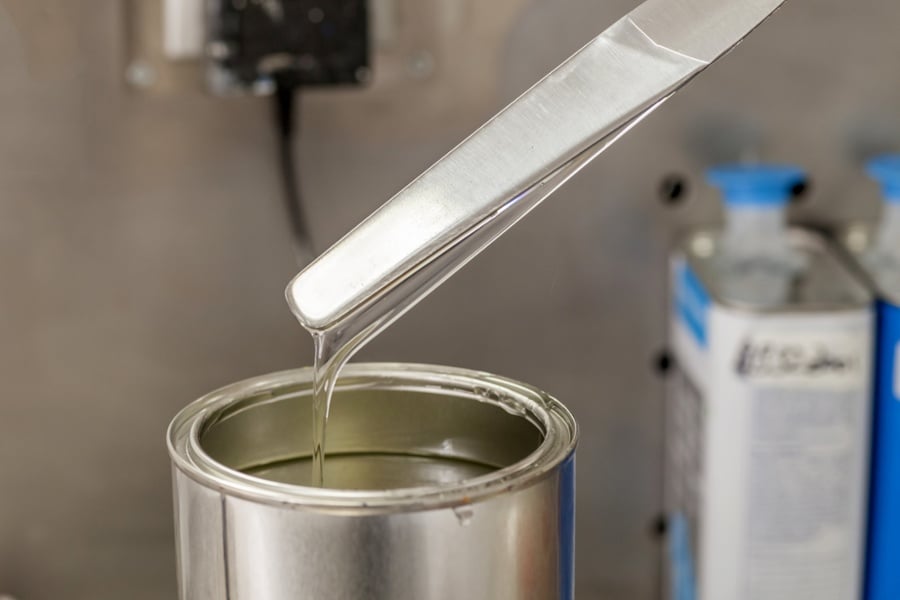
The thermoset resins used in the pultrusion process are called pultrusion resins. The following are some of the most regularly used resins in the pultrusion process:
1. Polyester Resin
Polyester is the most frequently used pultrusion resin in the composite manufacturing sector, accounting for 75% of all pultrusion resins. This is attributable to several factors, including:
- Polyester resins, for example, are highly tunable in the construction of polymer chains. As a result, it has a wide range of applications and can be used to make almost any composite.
- Apart from their adaptability, which varies depending on the structure of their building blocks, these pultrusion resins have several additional appealing characteristics that make them even more attractive.
2. Epoxy
They have great electrical qualities, are corrosion-resistant, and can withstand high temperatures. The disadvantage is that epoxy pultrusion resins have a high viscosity, necessitating a post-cure. They also have a low tolerance to UV rays.
3. Phenolic Resins
Phenolic resins are phenol-based, as the name implies. Because they are phenol-based, they have excellent fire resistance and emit little smoke. As a result, they're frequently used as adhesives or matrix binders.
4. Vinyl Ester Resins
Styrene and a condensation product of methacrylic acid are generally combined with epoxy to make vinyl ester resins. As a crosslinking agent and to increase adherence to glass fibers, this condensation product is used. The curing process starts with a bang.
At room temperature, these formulations have low viscosity and can be used to infuse a reinforcing fabric preform, creating large solid parts such as windmill blades. The mixture is usually combined with chopped glass fibers and sprayed over an open mold.
It is widely employed in coastal and marine products because of these improved qualities.
5. Polyurethane Resins
Polyurethane polymers are known for their exceptional versatility. Polyurethane polymers, for example, offer a wide range of applications outside of composite manufacturing.
Polyurethane polymers are a standard option in the composite sector due to their outstanding durability and load-bearing capabilities.
Why are Pultrusion Resins used in the Manufacturing Process?
Resins typically help transfer stress between fibers, in addition to the benefits of each of the above.
As a result, they're frequently used to cover and bind fibers together, protecting them from external damage, such as corrosion.
Different resins are frequently used to meet your needs, depending on your goals.
For example, while phenolics are the best thermal insulation and fire resistance, they are frequently used in conjunction with other resins. As a result, the finished product can be both durable and fire-resistant.
The Pultrusions Process
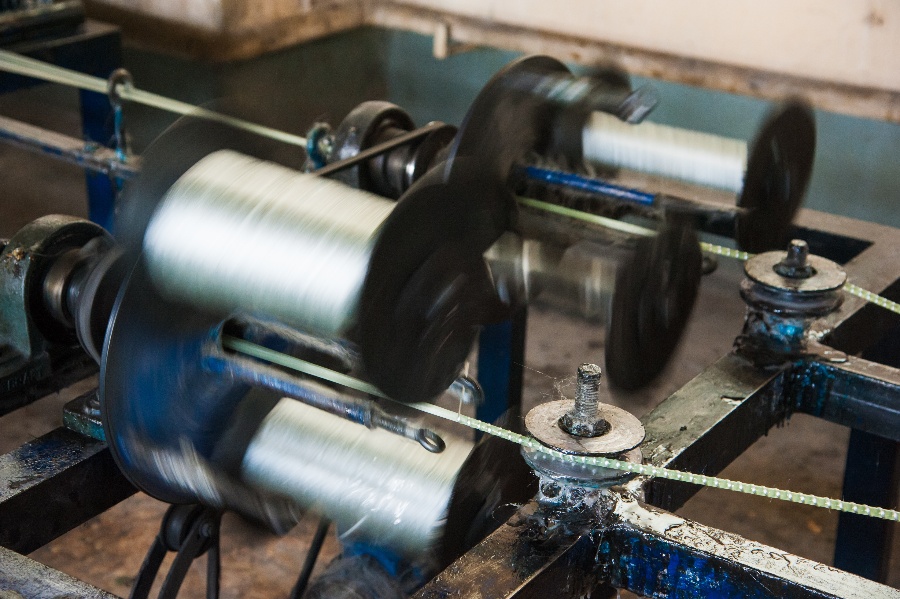
Pultrusion is a highly efficient method of producing fiber-reinforced composite materials. It enables pultrusion manufacturers to generate continuous FRP profiled shapes in straight lengths.
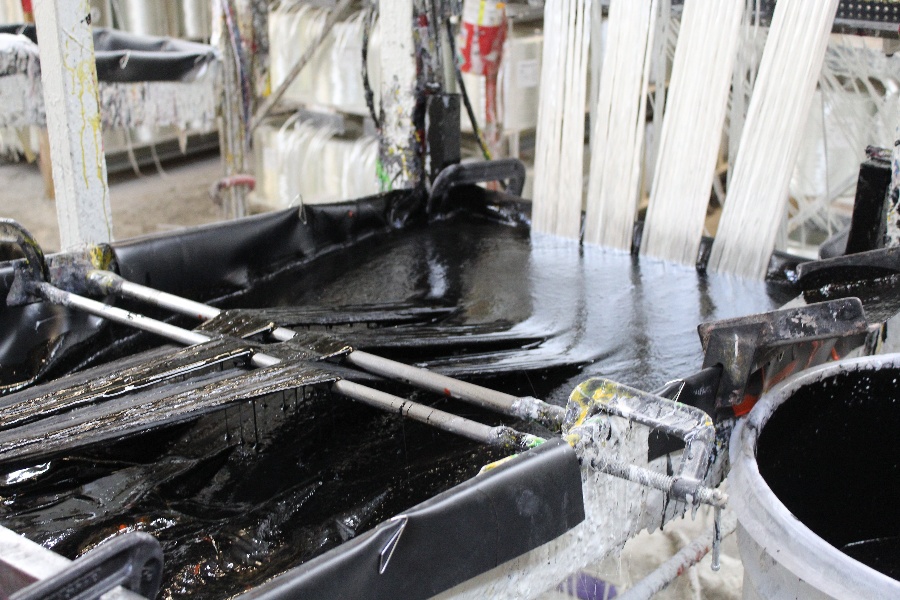
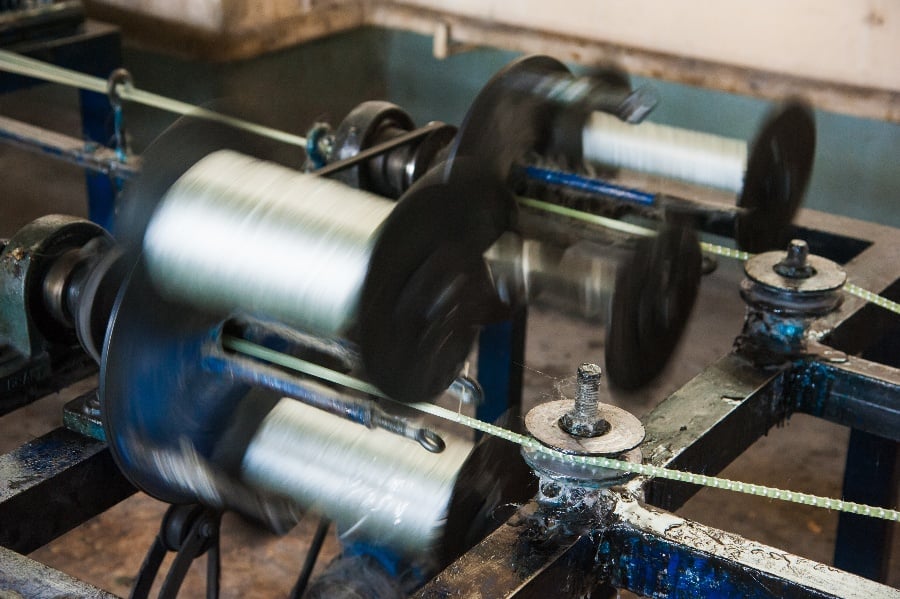
The process begins with the reinforcements providing support. Glass, carbon, or aramid can be used in roving, mat, woven, or stitched forms. The material is drawn into the infeed region and precisely shaped to the required shape before being impregnated with a resin matrix. Polyester, vinyl ester, epoxy, or phenolic resins can be used as the resin matrix. The impregnated reinforcement is drawn into the heated pultrusion die from the infeed area. The resin matrix hardens and cures entirely within the die.
Fiberglass
Fiberglass is a fiber-reinforced material made from glass fibers that can be rearranged, spread into a sheet, or woven into fabric. Fiberglass is used in various household products and industrial applications due to its low cost and high flexibility. Fiberglass is commonly found in aircraft, windows, roofing, boats, and bathtubs.
Why are Fiber-reinforced Materials so Appealing as a Replacement for Metals?
Depending on the application, fiberglass can offer various solutions to customers. Among the advantages of fiberglass are:
- Fiberglass's high vibration resistance makes it suitable for components that demand strength and longevity, such as motorized elements or items subjected to wind or mechanical vibrations.
- Fiberglass is used as a thermal insulator for pipelines, heating and cooling systems, and various other structures and components subjected to rapid temperature changes.
- Fiberglass is incombustible and can withstand direct flame exposure for a specific time, depending on the glass type, impregnation, and coating material, and is thus used for fire safety blankets, fire shelters, and similar products.
- Chemical resistance is another helpful feature of fiberglass, allowing it to be used in places, buildings, and structures where chemicals or chemical leaks may occur.
- Property durability - the fiber's properties do not change after drying; they do not change after freezing or heating the material up to +550 C for E-glass.
- Biological resistance to external forces extends the life of the material and the object to which it is applied. Additionally, it ensures that visual aesthetics are maintained for an extended period.
Examples of Applications Where the Properties of Fiberglass are Beneficial
Fiberglass materials are used in a variety of industries due to their various benefits:
- Fiberglass in construction: fiberglass construction mesh is used in insulation systems, interior walls, ceilings, and flooring solutions, both internally and externally. A fiberglass mat is used to insulate against sound and heat.
- Fiberglass fabric is used for protective garments, fire shelters, smoke curtains, welding blankets, and thermal insulators, among other things.
- Pipes and refineries – fiberglass fabric and mat are used in various systems and tailored jackets for pipe insulation.
- Architecture – textile membranes are coated fiberglass materials that enable the production of one-of-a-kind architectural solutions, such as complexly curved roofing and facades. Textile membranes are also used to create aesthetic lighting.
- Appliances - fiberglass is utilized as an insulator in heat and freeze appliances.
- Automobile sector - sound fiberglass materials and heat-insulating materials are offered to the automotive industry.
- Electronics - Fiberglass is commonly used in printed circuit boards and other electronic components that require electrical insulation.
- Fiberglass is also used to produce sporting equipment such as surfboards, snowboards, and ice hockey equipment.
Only high-grade pultrusion resins should be utilized in composite goods to ensure high-performance, durable, quality and durable products. At Tencom, we offer you a comprehensive choice of high-grade pultruded items. We are the market leader in the industry, and our mantra is simple and on point: dedicated to providing nothing but quality and value through our superior products.
Don't hesitate to get in touch with us today if you have any questions concerning pultrusion, pultrusion resins, or pultrusion products, and we will be more than eager to assist.