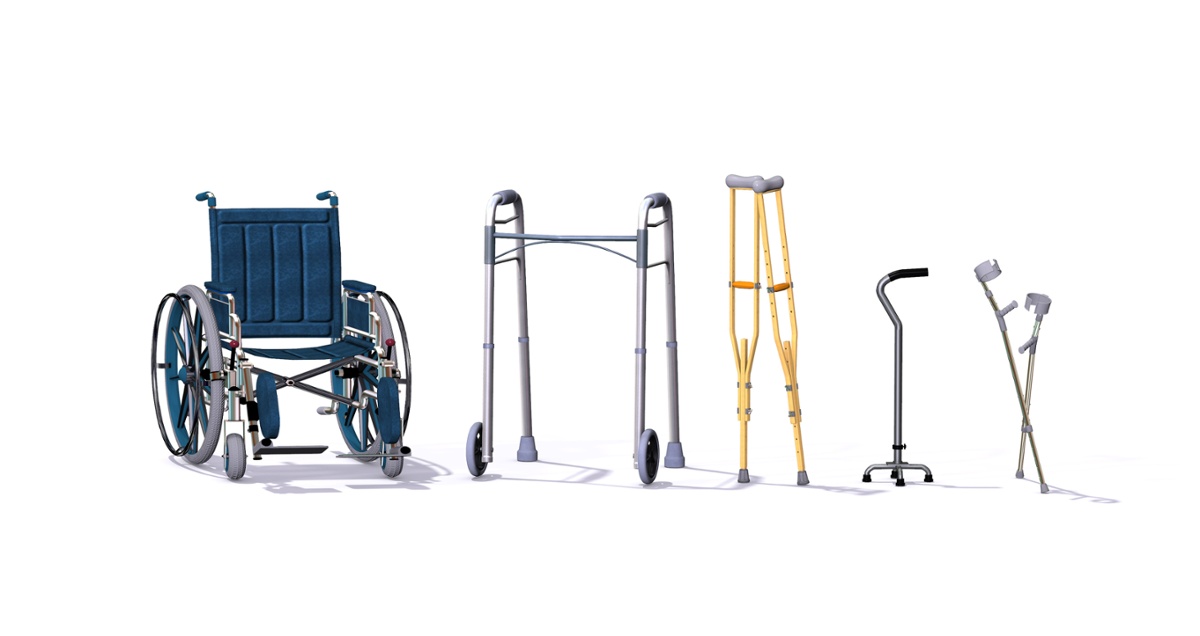
Crutches and walkers are essential mobility aids that provide stability and support for people with temporary or permanent disabilities affecting their legs, feet, or overall balance and coordination. Proper design and material selection of these devices are critical for ensuring user safety, comfort during use, and effectiveness in rehabilitation or daily functioning.
Optimizing crutches and walkers requires an interdisciplinary approach that integrates principles of biomechanics, materials science, and engineering design. By integrating expertise across these complementary specialties, crutches and walkers can be engineered to improve patient outcomes and quality of life.

This article will dive into the proper design and material selection for crutches and walkers.
Biomechanics of Crutches and Walkers
Understanding the biomechanics of mobility aids is essential for optimizing the design and use of crutches and walkers. By studying the physical dynamics involved, we can engineer better solutions that reduce injury risks and enhance rehabilitation.
Gait analysis
Gait analysis provides insights into natural human walking patterns versus assisted gait with crutches or walkers. Comparing joint motions, ground reaction forces, muscle activations, and overall body movements reveals how these devices alter a user's normal ambulation. Analyzing assisted gait biomechanics allows the identification of adjustments needed to avoid poor compensations.
Force distribution
Force distribution is another important factor, as it evaluates the pressures exerted on the hands, arms, torso, and lower body during mobility aid use. Uneven or excessive forces can cause nerve compression, joint strain, and soft tissue injury over time. Quantifying force distribution guides design improvements to avoid these problems.
Joint Loading
Relatedly, joint loading examines how forces specifically affect load-bearing joints such as the wrists, elbows, shoulders, and spine. Because crutch and walker users often have existing orthopedic conditions, minimizing joint loads is imperative to prevent exacerbations and to stabilize injury sites.
User-device Interaction
Studying user-device interaction examines how crutches, walkers, and other components interface with human limbs and motion. This guides ergonomic designs to enhance safety, comfort, and ease of use by matching devices to natural anthropometry and movement patterns.
Analyzing the biomechanics of crutches and walkers gives direct inputs for engineering advances that improve rehabilitation outcomes and accessibility.
Structural Engineering Considerations
Structural integrity is vital for crutches and walkers to withstand repetitive loading without mechanical failure or material fatigue.
Stress analysis evaluates how forces are distributed through different device components during use. Understanding stress distributions enables the identification of high-load areas requiring material reinforcement or geometric modifications to prevent excessive deformation or fracture. Common areas for analysis include joint welds, tube junctions, grip handles, and ground contact regions.
The effects of fatigue and cyclic loading must be assessed to ensure adequate endurance under repeated loads over months or years of use. Metals and polymers can crack or buckle over time if not designed appropriately for cyclic strains at joint areas and weight-bearing surfaces. Testing protocols should account for typical device usage patterns and lifecycles.
Additionally, impact resistance and shock absorption are crucial for mitigating fall risks and reducing peak forces transmitted to users' limbs. Strategies such as spring dampeners, padded grips, and collapse protection promote both safety and comfort by reducing gait impacts and jolts during assisted ambulation.
Incorporating structural considerations from the outset of design enables crutches and walkers to possess the durability, reliability, and fail-safe mechanisms expected of a medical device that assists vulnerable populations.
Material Properties
The materials used in crutches and walkers significantly influence their functionality, safety, and longevity. Optimizing these properties promotes mobility while preventing premature failure.
Strength-to-weight ratio impacts overall device weight and structural integrity. Lightweight metals or reinforced polymers are well-suited to reducing user fatigue and joint strain while still providing robust support. High-strength alloys and composites are enabling greater strength with lower component mass.
Durability and fatigue resistance are also critical to withstand cyclic loading without fracture over months to years of use. Ductile, damage-tolerant metals like aluminum work harden under strain to resist failure. Polymers can be reinforced with fibers or nanomaterials to significantly increase their endurance limits.
Corrosion resistance ensures sustained performance despite exposure to outdoor conditions and occasional falls. Anodized coatings on aluminum and galvanized steel prevent surface oxidation and pitting that can compromise integrity. Stainless steel alloys and rigid polymers also provide excellent corrosion protection.
Optimized friction and slip resistance in grips, cuffs, and ground contact pads are necessary to facilitate ambulation across varied terrain while preventing dangerous slips. This keeps the device fixed to the user even during rapid loading. Rubberized textures and anti-slip polymer composites are ideal interfaces.
By considering this diverse range of mechanical, environmental, and physical material properties, crutches and walkers can be engineered for maximal strength, safety, longevity, and functionality during assisted mobility.
Fiberglass Emerges as an Enabling Material
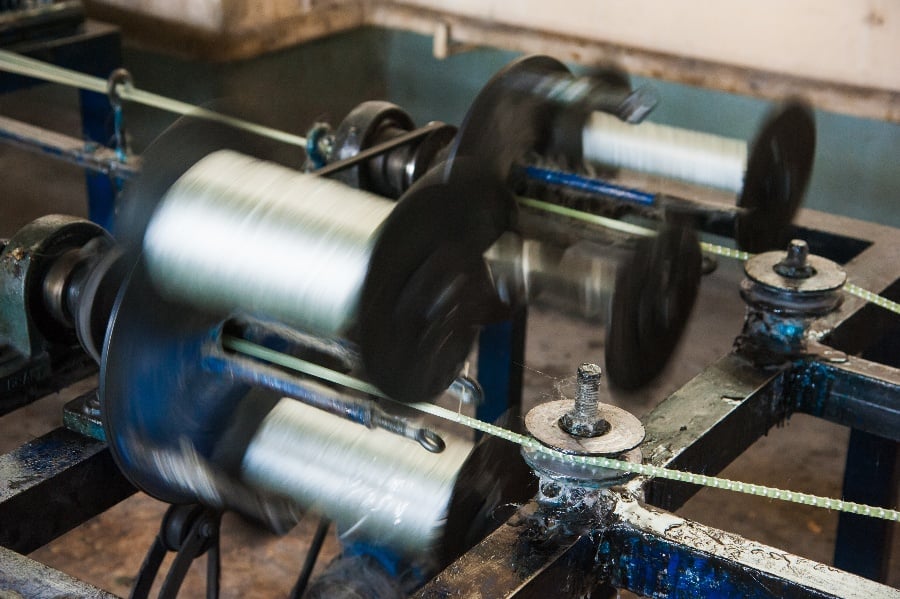
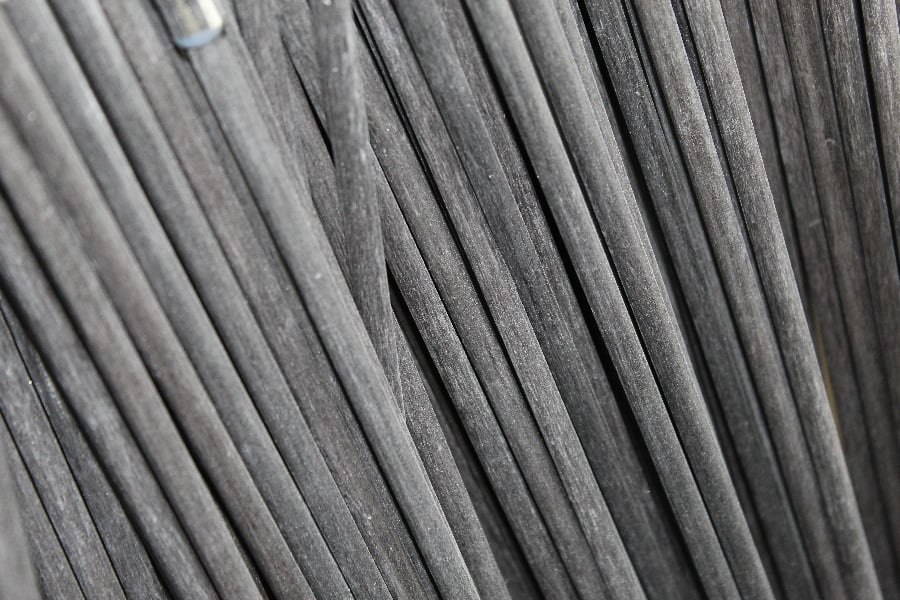
Fiberglass rods show immense promise as structural components in crutches, walkers, and related mobility aids due to an exceptional combination of high strength, low weight, fatigue resistance, and moldability. Made from extremely fine glass fiber fabrics embedded in a polymer resin matrix, fiberglass offers mechanical properties that rival those of metals without the heavy mass.
The tensile strength of fiberglass approaches that of aluminum and steel, weight-for-weight, while weighing less. This enables lighter device frames that reduce fatigue and joint strain on mobility aid users. Fiberglass also outperforms most metals in fatigue life under cyclic bending and compression without fracturing or deforming permanently.
Additionally, the anisotropic properties of aligned glass fibers allow customization of strength and flexibility by orienting the reinforcement directions during manufacturing. This permits tailored performance in grip handles versus vertical frame members, for example. The diverse resin options also facilitate optimization for environmental stability and even transparency or color.
The moldability of fiberglass enables ergonomic designs that match natural grip positions, thereby facilitating comfortable assisted ambulation. The material can also be molded into hollow tubes or custom geometries, which is not possible with metal rods. Combined with embedded lighting for visibility, fiberglass opens new possibilities for crutch and walker innovation.
With this versatile combination of strength, durability, customizability, and functionality, fiberglass has strong potential to transform mobility aid design to better serve rehabilitation and accessibility needs.