Have you ever wondered if pultrusion is possible without fiberglass? While fiberglass has long been the go-to material for this manufacturing process, alternatives are emerging. As you explore the world of composite materials, you'll discover a range of options that can be used in pultrusion. From carbon fiber to natural fibers, these alternatives offer unique properties and advantages. In this article, you'll learn about the various materials being utilized in pultrusion beyond traditional fiberglass.

Understanding these options will broaden your perspective on composite manufacturing and may even inspire new applications in your industry. Let's delve into the exciting world of pultrusion materials beyond fiberglass.
What is Pultrusion?
Pultrusion is a continuous manufacturing process used to create high-strength composite materials with consistent cross-sections. This innovative technique combines reinforcement fibers with thermosetting resins to produce durable, lightweight products for various industries.
The Pultrusion Process
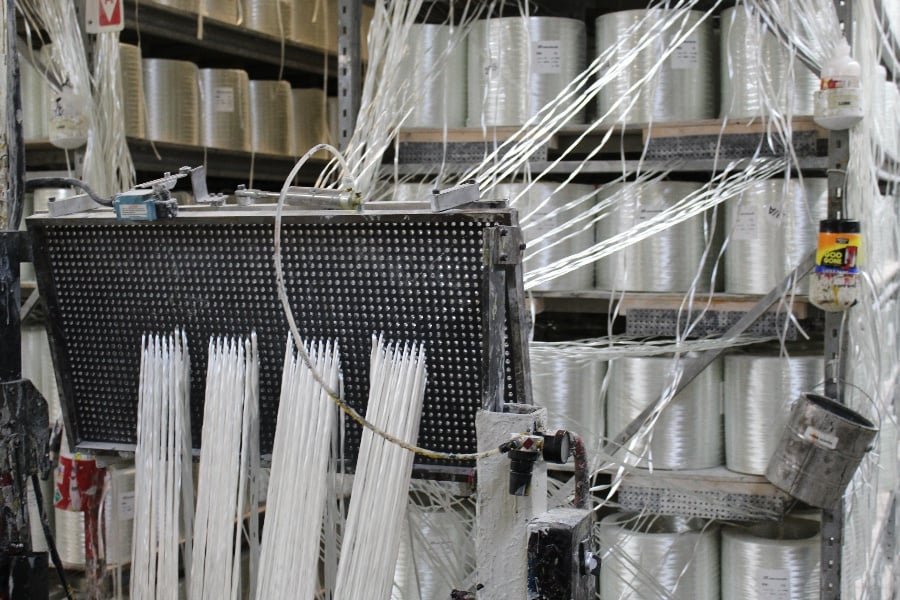
In pultrusion, reinforcement materials are pulled through a resin bath, where they become saturated with the liquid polymer. The impregnated fibers then pass through a heated die, which shapes the material and initiates curing. As the composite moves through the die length, it cures and exits as a solid in its final form, ready for cutting to the desired lengths.
Key Advantages
Pultrusion offers several benefits over traditional manufacturing methods:
-
Consistency: The process's continuous nature ensures uniform properties throughout the product.
-
Efficiency: High production rates and minimal waste make pultrusion cost-effective for large-scale manufacturing.
-
Versatility: A wide range of profiles and sizes can be produced, from simple rods to complex shapes.
-
Strength-to-weight ratio: Pultruded composites boast excellent strength while remaining lightweight.
Applications
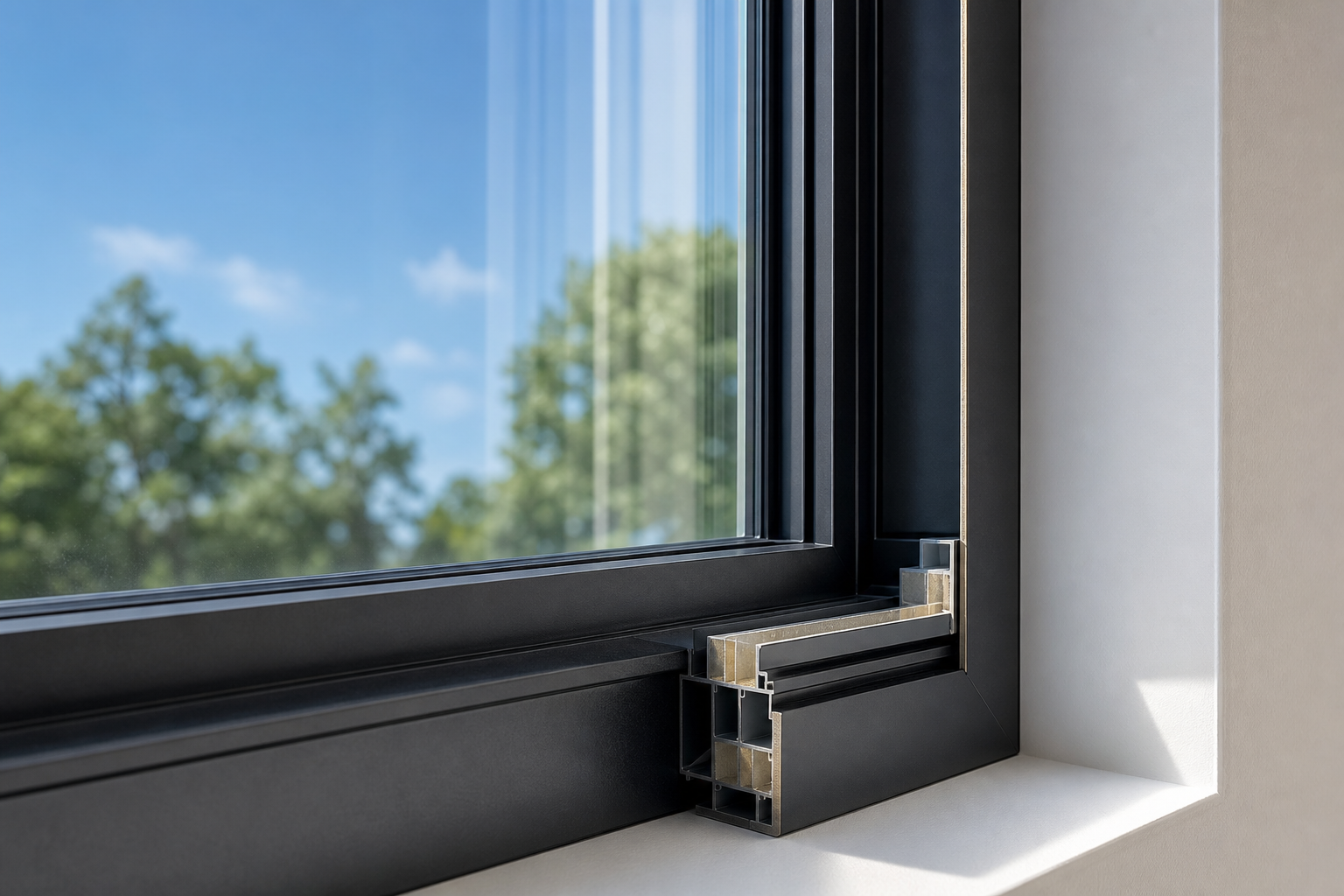
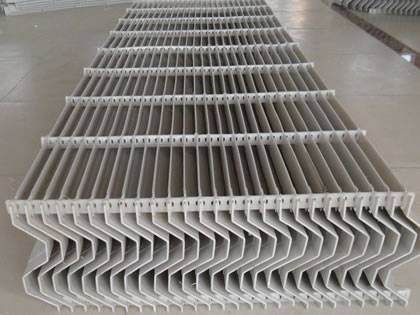
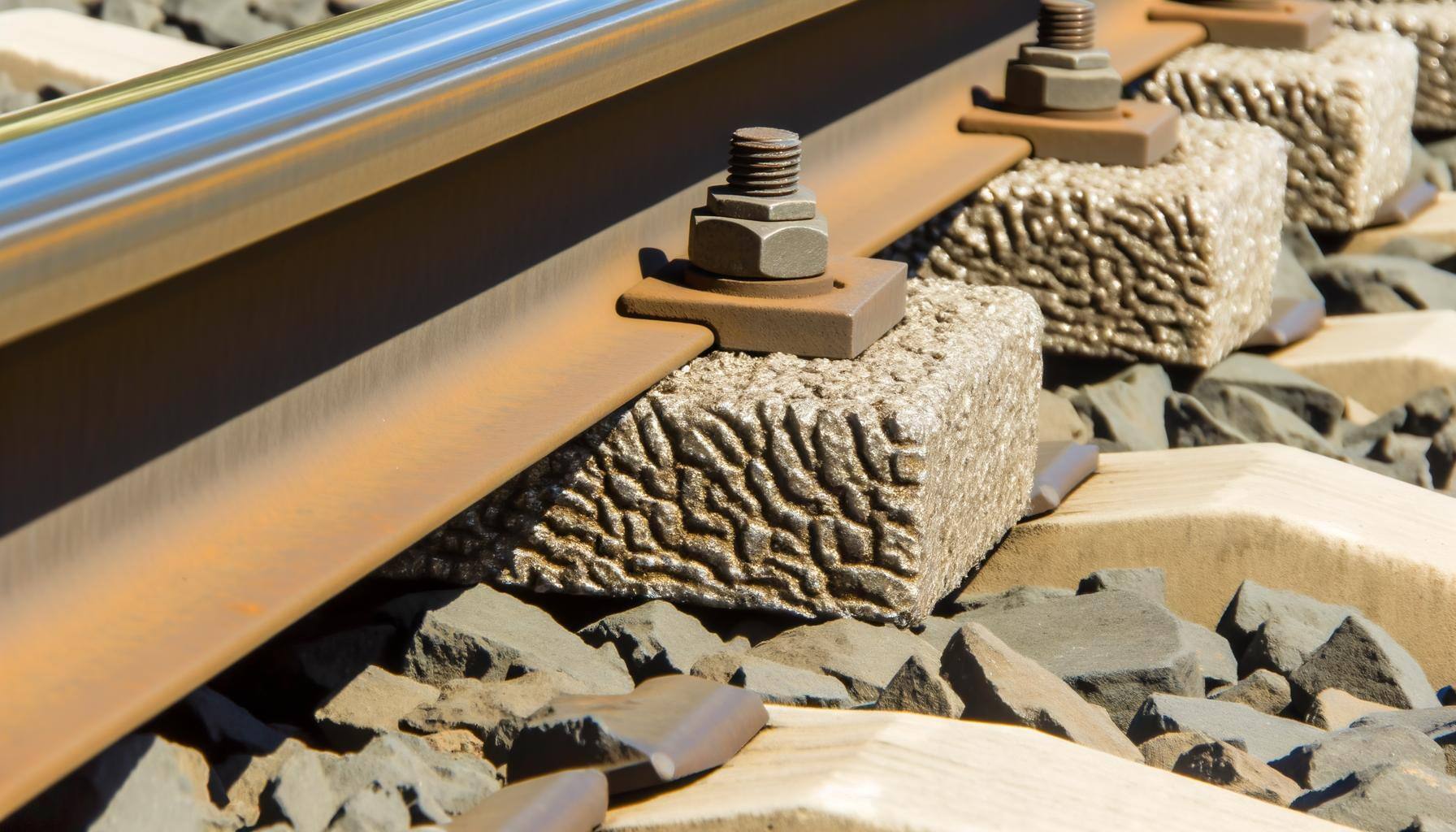
Pultruded products are used across diverse sectors, including construction, transportation, and electrical. Common applications include structural supports, strength members, window frames, ladder rails, and electrical insulators. The process's adaptability continues to open new possibilities for innovative product development.
Alternatives to Fiberglass in Pultrusion
Carbon Fiber Reinforcements
While fiberglass has long been a staple in pultrusion processes, carbon fiber is emerging as a powerful alternative. This high-strength material offers a superior stiffness-to-weight ratio; its weight per unit area is about 69% that of fiberglass, making it ideal for applications where lightweight yet robust structures are crucial. You'll find carbon fiber pultruded products in aerospace, automotive, and sporting goods industries, where performance is paramount.
Natural Fiber Composites
For environmentally conscious manufacturers, natural fiber reinforcements present an eco-friendly option. Materials such as flax, hemp, and jute are renewable resources that can be pultruded to produce sustainable composite products. These natural alternatives offer strong mechanical properties and a lower environmental impact, appealing to industries focused on green initiatives.
High-Performance Polymers
Advanced polymers such as aramid fibers (e.g., Kevlar) and ultra-high-molecular-weight polyethylene (UHMWPE) are also utilized in pultrusion. These materials offer exceptional strength and durability, often surpassing traditional fiberglass in specific applications, and weigh about 57% as much as an equal-area fiberglass panel. You'll see these high-performance polymers in demanding environments where resistance to abrasion or chemicals is critical.
By exploring these alternatives, you can tailor your pultruded products to meet specific performance requirements, environmental standards, or cost considerations. The choice of reinforcement material significantly influences the final product's properties, creating new possibilities across industries.
Benefits of Non-Fiberglass Pultrusion Materials
Enhanced Performance Characteristics
Non-fiberglass materials used in pultrusion offer unique advantages that can significantly improve product performance. For instance, carbon fiber composites provide exceptional strength-to-weight ratios, making them ideal for applications where lightweight yet durable components are crucial.
These materials often exhibit superior fatigue resistance and thermal stability compared with traditional fiberglass, extending the service life of pultruded products in demanding environments.
Customizable Properties
One key benefit of using alternative materials in pultrusion is the ability to tailor specific properties to meet exact application requirements. By selecting from a range of reinforcing fibers, such as aramid, basalt, or natural fibers, manufacturers can fine-tune properties such as impact resistance, chemical compatibility, and electrical conductivity. This versatility allows for the creation of highly specialized products that outperform standard fiberglass in niche applications.
Sustainability and Environmental Considerations
As industries increasingly prioritize sustainability, non-fiberglass pultrusion materials offer eco-friendly alternatives. Natural fibers derived from plants such as flax and hemp offer renewable reinforcement options with a lower carbon footprint. Additionally, some advanced thermoplastic resins used in pultrusion are recyclable, supporting a more circular economy and reducing the environmental impact of manufacturing.
Popular Non-Fiberglass Pultrusion Materials
Carbon Fiber Composites
Carbon fiber has emerged as a leading alternative to fiberglass in pultrusion processes. Its exceptional strength-to-weight ratio makes it ideal for applications requiring high performance and minimal weight. Industries such as aerospace, automotive, and sporting goods have embraced carbon fiber pultruded products for their superior mechanical properties and sleek appearance.
Aramid Fibers
Aramid fibers, such as Kevlar, offer unique benefits for pultrusion. Known for their high tensile strength and heat resistance, aramid-based pultruded materials find use in ballistic protection, fire-resistant structures, and high-stress industrial applications. These fibers provide an excellent balance of strength and flexibility.
Natural Fiber Composites
As sustainability concerns grow, natural fibers are gaining traction in pultrusion. Materials like flax, hemp, and jute offer eco-friendly alternatives to synthetic fibers. While not as strong as carbon fiber, these natural options provide good specific strength and vibration-damping properties. They're increasingly used in automotive interiors, construction panels, and consumer goods where environmental impact is a key consideration.
Hybrid Reinforcements
Many manufacturers are exploring hybrid reinforcements, combining different fiber types to optimize performance and cost. For example, carbon-aramid hybrids leverage the strengths of both materials, creating pultruded products with an ideal balance of properties for specific applications. This approach allows for tailored solutions that meet complex engineering requirements.
Note: Of the three major fibers, Aramid is the lightest and the strongest of the fibers and Fiberglass is the heaviest with the least strength but, Fiberglass is the lowest cost, and Aramid is the highest cost. The area and weight of the part needed should dictate the fibers to use, except for the conductivity of carbon, which can rule it out.
Choosing the Right Pultrusion Material for Your Application
When it comes to pultrusion, selecting the appropriate material is crucial for ensuring optimal performance and longevity of your end product. While fiberglass has long been a popular choice, several other materials can be used in pultrusion, each offering unique properties and benefits.
Considering Alternative Materials
Carbon fiber is an excellent option for applications requiring high strength-to-weight ratios. Its superior stiffness and fatigue resistance make it ideal for the aerospace and automotive industries. It is highly thermal and electrically conductive and can have uses of these properties. However, it costs more than traditional fiberglass.
Aramid fibers, such as Kevlar, provide lighter weight without electrical and thermal conductivity and are often used in ballistic protection and high-performance sporting goods. These materials excel in applications where toughness and vibration damping are paramount.
Balancing Performance and Cost
Natural fibers like jute, hemp, and flax are gaining traction as eco-friendly alternatives. While they may not match the mechanical properties of synthetic fibers, they offer sustainability benefits and can be suitable for non-structural applications.
Basalt fibers are a viable option for applications requiring corrosion resistance. These volcanic rock-derived fibers offer chemical resistance comparable to glass fibers, with improved mechanical properties.
When choosing a pultrusion material, consider factors such as:
-
Mechanical, chemical, thermal, and electrical properties required
-
Environmental conditions
-
Cost constraints
-
Regulatory requirements
By carefully evaluating these aspects, you can select the most appropriate material for your specific pultrusion application, ensuring optimal performance and cost-effectiveness.
Conclusion
As you've seen, pultrusion is not limited to fiberglass alone. The versatility of this manufacturing process enables the use of a wide range of materials, each offering unique properties and benefits. From carbon fiber's exceptional strength-to-weight ratio to natural fibers' eco-friendly appeal, the options are diverse and continually expanding. By understanding these alternatives, you can make informed decisions about which material best suits your specific application.
Whether you prioritize cost-effectiveness, sustainability, or high performance, there's likely a pultruded solution to meet your needs. As technology advances, expect to see even more innovative materials emerge in the pultrusion industry, further broadening the possibilities for this efficient and adaptable manufacturing method.