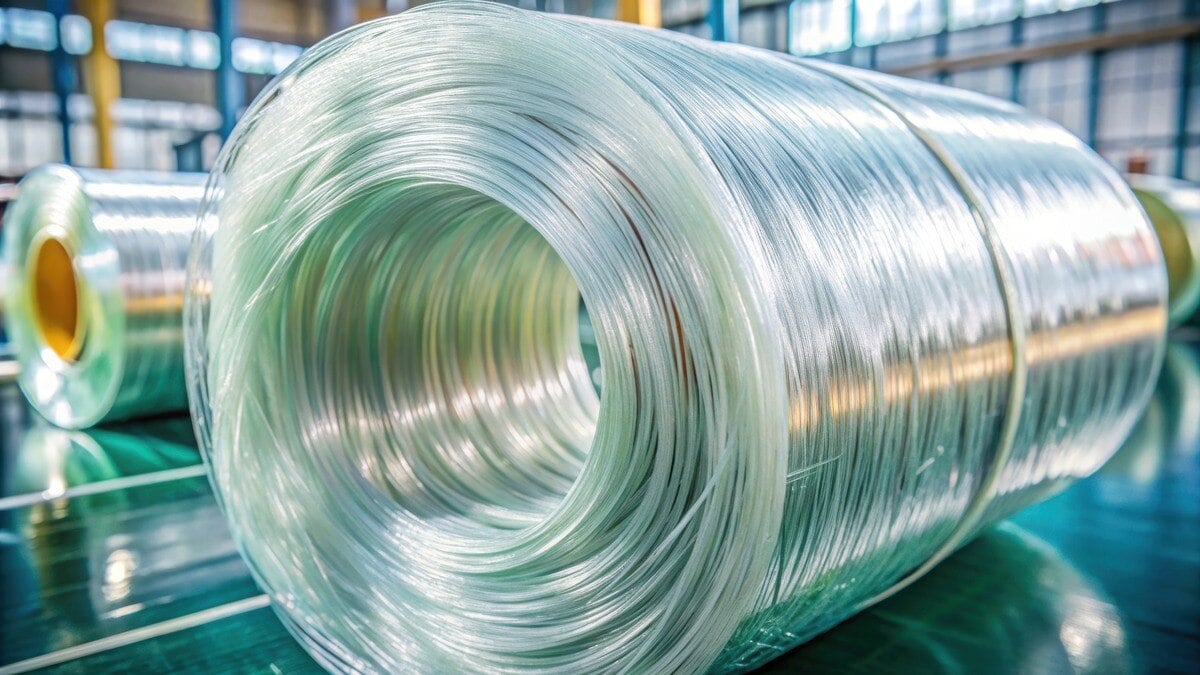
When you think of fiberglass pultrusion, you might first visualize the strong, continuous fibers like glass, carbon, or aramid that give the material its backbone. However, behind these fibers, an unsung hero is pivotal to the end product's structural integrity, durability, and versatility: resin.

What is Pultrusion?
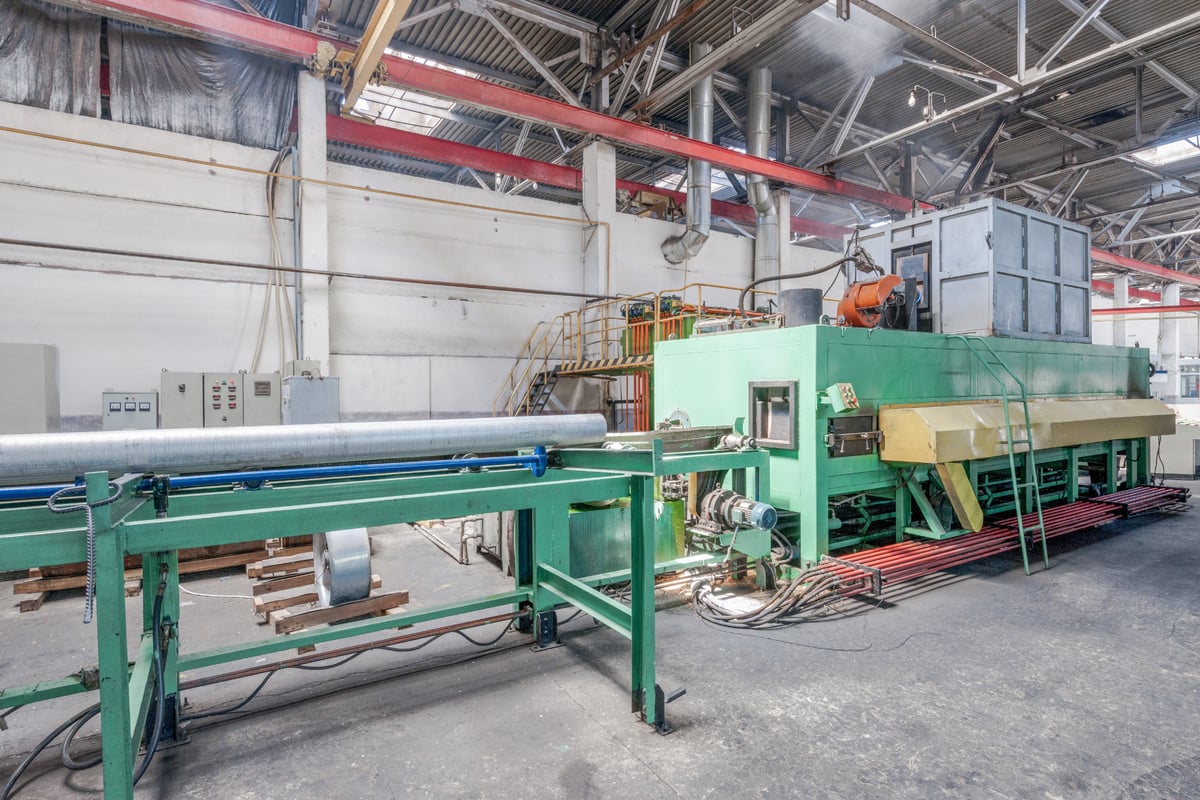
Pultrusion is a continuous process for manufacturing composite materials with a constant cross-section. This method pulls reinforcement fibers through a resin bath and then through a heated die, where the resin cures. The result is a solid, strong, and lightweight composite part.
The Crucial Role of Resin in Pultrusion
1. Binding Agent:
- Strength and Durability: Resin is the matrix that binds the fibers together. Without it, the fibers would be loose and ineffective in structural applications. The resin holds the fibers in place and distributes loads across them, enhancing the composite's overall strength.
2. Protection from Environmental Factors:
- Corrosion Resistance: Resins, particularly polyester, vinyl ester, or epoxy types, offer excellent resistance to chemicals, UV light, and moisture. This protection is crucial for applications like marine structures, where materials are constantly exposed to harsh environments.
- Weatherability: An appropriate resin formulation can ensure pultruded products maintain their integrity over time, even under varying weather conditions.
3. Enhancements in Manufacturing:
- Ease of Processing: Resins used in pultrusion are formulated to flow easily into the fiber bundles, ensuring complete saturation before curing. This leads to consistent product quality with minimal voids or defects.
- Curing Characteristics: The curing rate of resins can be tailored to match production line speeds, ensuring efficiency and productivity.
4. Customization for Performance:
- Fire Retardance: Certain resins can be modified to provide fire-retardant properties, essential for construction and transportation applications.
- Electrical Properties: For electrical applications, resins can be chosen or modified for their dielectric strength, making pultruded composites suitable for insulators and structural elements in electrical installations.
5. Aesthetic and Surface Quality:
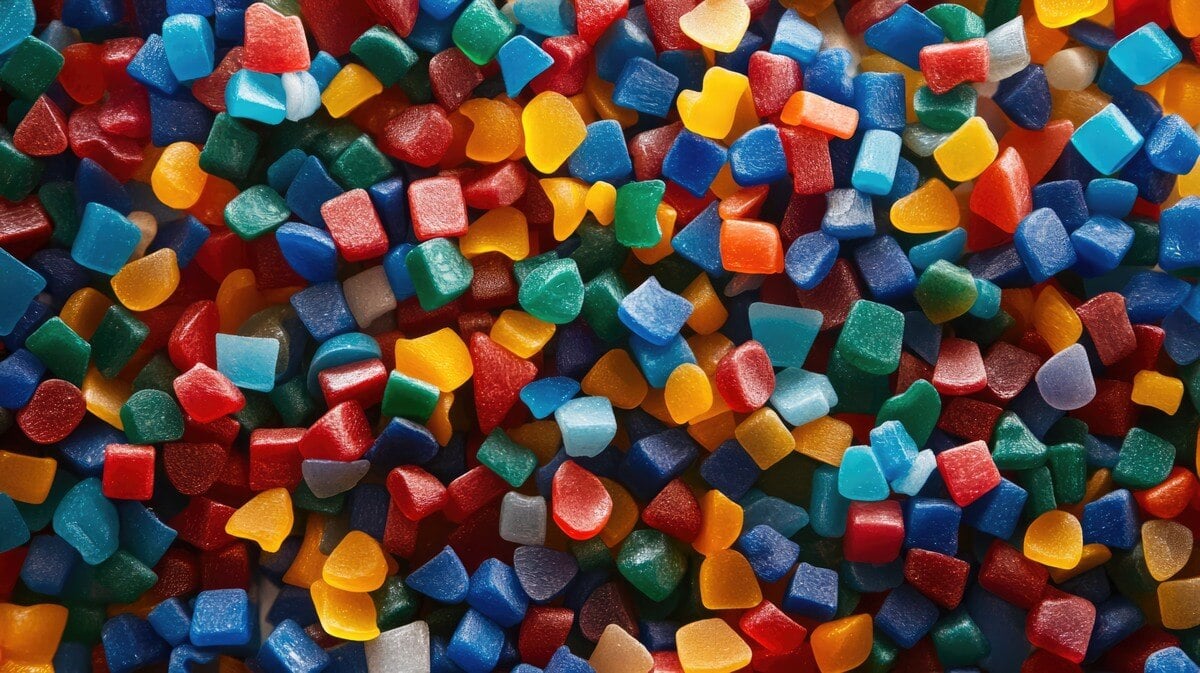
- Finish and Color: Resins enable the incorporation of pigments or finishes during manufacturing, providing the desired aesthetic without additional processing steps.
Types of Resin Used in Pultrusion
- Polyester Resin: Cost-effective, versatile, and suitable for general-purpose applications.
- Vinyl Ester Resin: Offers superior chemical resistance and toughness, ideal for more demanding environments.
- Epoxy Resin: Known for its strong adhesion properties, excellent mechanical strength, and resistance to fatigue, it is used where high performance is critical.
- Polyurethane resin: provides strong adhesion properties, excellent mechanical strength, has a high elongation without failure that gives the optimum in fatigue, It will frequently provide the maximum in strength performance.
- Hybrid and specialty resins that don't fall into the above grouping can provide optimal properties for specific applications.
Challenges and Considerations
While resin is vital, selecting the wrong type or formulation can lead to issues like:
- Poor Fiber Wetting: If the resin doesn't flow well or adequately wet the fibers, the composite may exhibit reduced strength or durability.
- Cure Time: Excessive cure time can disrupt production schedules or lead to inconsistent product quality.
-
Environmental Impact: The choice of resin also impacts the sustainability of the pultrusion process, with considerations for VOC emissions and recyclability.
Conclusion
The significance of resin in fiberglass pultrusion cannot be overstated. It's not just about holding everything together; it's about enhancing performance, ensuring longevity, and meeting specific application needs.
Whether you're considering structural integrity in construction, corrosion resistance in marine environments, or electrical insulation in industrial applications, the resin is a key factor in making pultrusion a preferred method for composite manufacturing.
Understanding and selecting the right resin is crucial for leveraging the full potential of pultrusion technology.